
Dubai
Towers and residences by brands such as DAMAC, de GRISOGONO and Cavalli, in Business Bay and Dubai Islands.
Dominican Republic
Residences and villas on the Caribbean coast: Juan Dolio, Santo Domingo, Cana Bay.
Villas for sale
Luxury villas for sale, from the studio's own work to the lakes and Tuscany.
Hospitality
Hotels, resorts and restaurants for sale to investors: Italy and the Dominican Republic.
Invest
Guides, markets and advice for investors in high-end property.
All properties
The full catalogue: filter by country, type and price, or ask the AI.
Catalogue
All properties
Dubai
Towers and residences by brands such as DAMAC, de GRISOGONO and Cavalli, in Business Bay and Dubai Islands.
Open the section
Dominican Republic
Residences and villas on the Caribbean coast: Juan Dolio, Santo Domingo, Cana Bay.
Open the section
Villas for sale
Luxury villas for sale, from the studio's own work to the lakes and Tuscany.
Open the section
Hospitality
Hotels, resorts and restaurants for sale to investors: Italy and the Dominican Republic.
Dominican Republic
Punta Cana HotelOCEANA · Gastronomic marketOCEANA · Show restaurantPunta Cana HospitalityHospitality Dominican Republic
Invest
Guides, markets and advice for investors in high-end property.
Markets
Global investments 2026ZanzibarGolden Visa and residencyNew developmentsZanzibar 2026: the market
All properties
The full catalogue: filter by country, type and price, or ask the AI.
Catalogue
All propertiesHOSPITALITY & GASTRONOMIC ASSETS · ITALY
Hotels for sale in Italy
ITALY
Hotels for sale in Italy: the hotels and resorts we present
This page brings together the hotels for sale in Italy that Elite Luxury Real Estate presents today: Milan, Sardinia, Cortina d’Ampezzo and Venice. They are hotels and resorts for investors and operators, not homes: they are read by contract, operator and renovation plan before they are read by square metres.
Each asset has its own page, with the teaser’s data, their attribution and ELRE’s calculations, and a confidential process: identity and the full documentation are obtained with the expression of interest and the confidentiality agreement.
TODAY
hotel assets in Italy
asking prices from the proposing party
before identity and documentation
contact: Luca Lodi
THE ASSETS
Hotels for sale in Italy: where the assets are

Milan Hotel for Sale

Sardinia Resort for Sale

Cortina Hotel for Sale

Venice Hotel for Sale
SIDE BY SIDE
Hotels for sale in Italy: the assets compared
| Item | Milan | Sardinia | Cortina d’Ampezzo | Venice |
|---|---|---|---|---|
| Type | Upscale hotel, real-estate property | Large resort | Existing hotel to be renovated | Upscale hotel redeveloped, opened in 2025 |
| Location | Milan; address confidential | Sardinia; location not given | Centre of Cortina d’Ampezzo | Venice / Lido di Venezia |
| Rooms | About 300 rooms and suites | Over 900 rooms | 34 suites (5-star luxury) or 40-45 rooms (4-star luxury), hypotheses | 60 keys |
| Deal | Purchase of the real-estate property | Purchase of shares (share deal) | Purchase of the hotel and of the appurtenant SPA and car-park area | Sale & leaseback |
| Management | Leading group; twenty-year contract | Leading European group; 9 + 9 + 9 years | To be defined: preliminary operator proposals | Qualified operator; 9 + 9 year lease |
| Asking price | 85 million euros | 120 million euros, negotiable | 23 million euros | 25 million euros |
| Rent or yield indicated | Rent 5 million; gross ratio about 5.9% | Current yield indicated about 5.5% | Indicative rents 2.15 million (5-star) or 1.2 million (rooms) plus dining 1.0-1.2 million | Rent from 0.75 to 1.5 million; about 6% gross from the third year |
All economic values are supplied by the proposing party and subject to documentary verification. Source: the assets’ teasers.
HOW TO READ THEM
Hotels for sale in Italy: the investment structures for a hotel
Among hotels for sale in Italy the two most common structures are the hotel already run by an operator with a long contract and a rent, and the hotel to be renovated, in which the income is built. Among today’s assets, Milan, Sardinia and Venice follow the first structure: the value lies in the contract and the operator. Cortina d’Ampezzo follows the second: the value lies in the project.
Whoever buys an income-producing hotel collects the rent from whoever runs it: they assess the strength of the contract before the hotel’s performance. Whoever buys a hotel to renovate builds the income: they assess costs, permits and operator. These are different jobs and the pages treat them separately.

WHAT THEY HAVE IN COMMON
Hotels for sale in Italy: anonymous form, attributed data and confidential process
The hotels for sale in Italy we present have three things in common. They are in anonymous form: the name of the hotel, of the operator and of the owner is not on these pages. The data are supplied by the proposing party and subject to verification in due diligence, and we report them with attribution. Access to identity and documentation goes through a confidential process, with a confidentiality agreement.
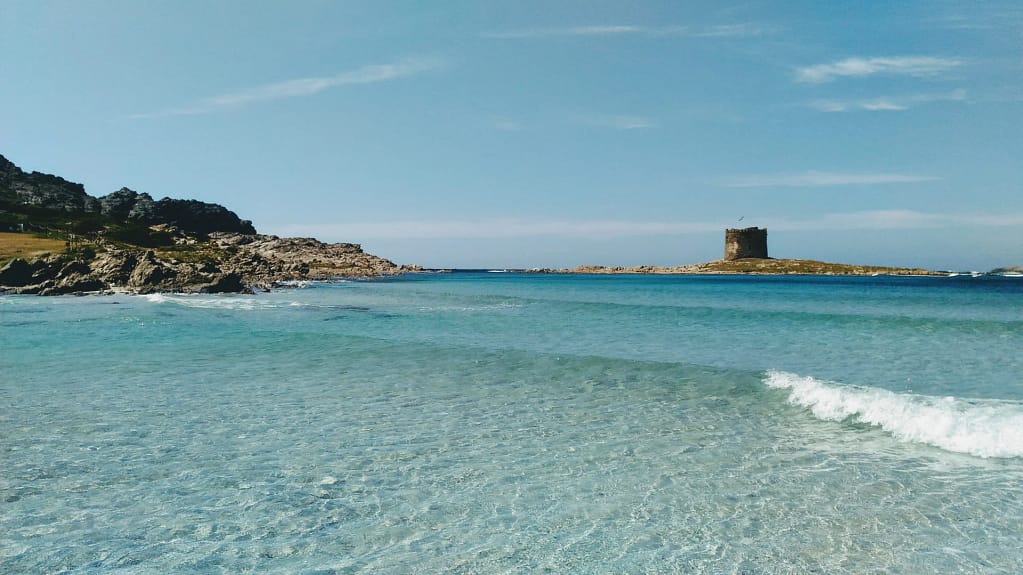
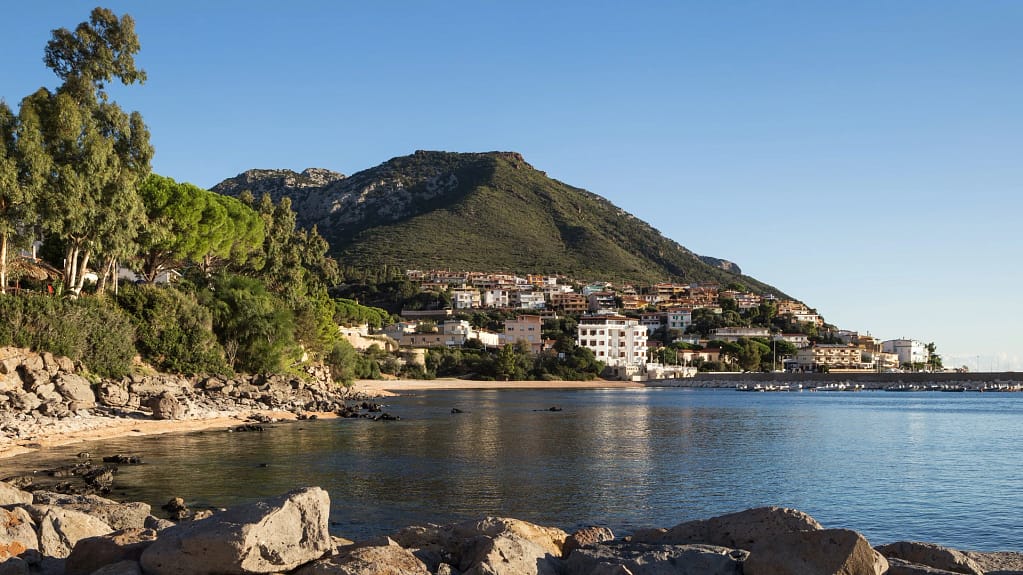
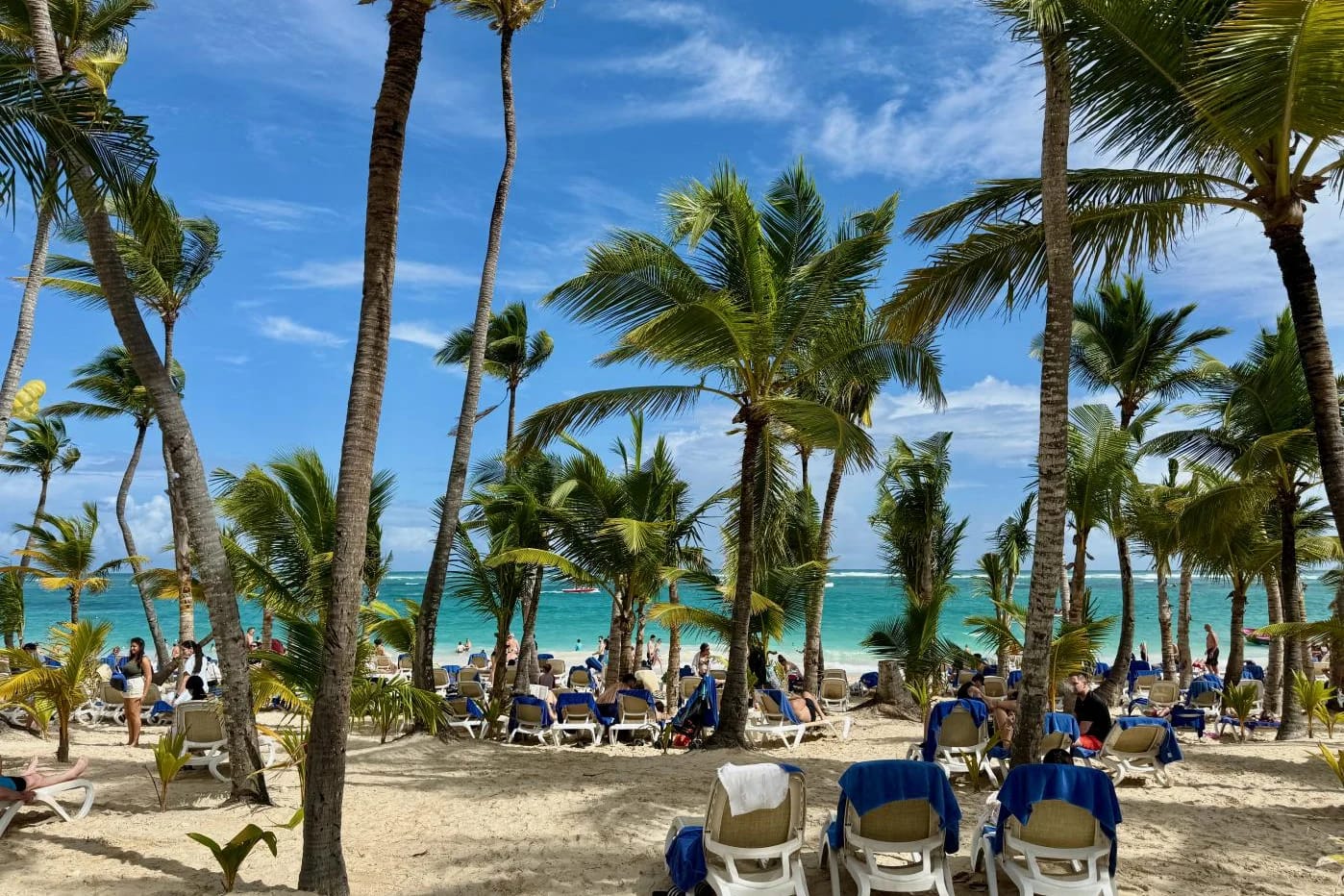
The contact is the same: Luca Lodi, Senior Global Investment Advisor at Elite Luxury Real Estate. Where a figure is our own calculation we say so, and the photographs are always of the destination, never of the property, with author and licence in the captions.

MILAN
Milan Hotel for Sale: in brief
Milan hotel for sale: the real-estate property of an upscale hotel of about 300 rooms and suites, recently built, with management tied to a leading group and a twenty-year contract. The asking price is 85 million euros and the indicated annual rent 5 million. The identity is confidential and is obtained with a company profile, a preliminary check and a confidentiality agreement.
SARDINIA
Sardinia Resort for Sale: in brief
Sardinia resort for sale: a resort of over 900 rooms entrusted to a leading European group, with a contract on periods of 9 + 9 + 9 years and 30 million of investment at the operator’s expense. The asking price is 120 million, negotiable, through the purchase of the shares of the owning company; the current yield indicated is about 5.5%.


CORTINA D'AMPEZZO
Cortina Hotel for Sale: in brief
Cortina hotel for sale: an existing hotel in the centre of Cortina d’Ampezzo, about 2,295 sq m and 383 sq m of terraces, to be renovated and repositioned between 4 and 5-star luxury, with a 500 sq m SPA and a 60-70 space car park planned. The asking price is 23 million; the rents are preliminary operator proposals.
VENICE
Venice Hotel for Sale: in brief
Venice hotel for sale: an upscale hotel of 60 keys, opened in 2025 after more than 12 million of works, sold with sale & leaseback and a 9 + 9 year lease. The asking price is 25 million; the rent rises from 750,000 euros to 1.5 million from the third year, about 6% gross on the price.

THE READING ORDER
Hotels for sale in Italy: which asset to start with
For a hotel for sale in Italy it is worth starting from the question of what job you want to do. Those seeking a contracted income without running a hotel look at the hotels with a contract in place and read, before the price, the term, guarantees and indexation of the rent. Those with development capacity or an operator alongside can look at the hotels to be renovated, where the return depends on costs, permits and rents yet to be signed.
Size matters as much as structure: the asking prices of today’s assets range from 23 to 120 million euros, and with the same structure the capital required and the structure of the deal change. That is why each page says clearly whether you are buying the property or a company.
ACCESS
Hotels for sale in Italy: the confidential process, from profile to NDA
The process described by the teasers is similar for all hotels for sale in Italy: the investor presents their profile, the owner checks financial capacity and has the confidentiality agreement signed, and only afterwards shares identity and documentation. For some assets the steps are three, for others five, with technical, legal and financial review, site visit and indicative offer.
Whoever applies would do well to prepare in advance the investor’s profile, corporate structure, experience in hotel or real-estate investments and financing arrangements. This is our own methodological suggestion: the timing and conditions of each step are those of the owner.
THE TERMS
Hotels for sale in Italy: rent, share deal, sale & leaseback and due diligence, the terms to know
Rent: the sum an operator pays the owner each year to use the hotel. Gross rent-to-price ratio: the rent divided by the price, before costs and taxes; it is not a net yield. Share deal: purchase of the shares of the company owning the property instead of the property. Sale & leaseback: sale of the property with a lease to whoever runs it.
NDA: the confidentiality agreement by which the investor undertakes not to disclose the information received. Due diligence: the technical, legal, tax and contractual check the buyer carries out before deciding. Repositioning: the works with which a hotel changes category or clientele. On the pages for hotels for sale in Italy these terms recur: it is worth knowing them before reading the numbers.

THE ELRE READING
Hotels for sale in Italy: six questions to ask before assessing a hotel
A hotel for sale is assessed with six questions. Who pays the rent and with what guarantees? How long does the contract last and on what terms is it renewed? How is the rent indexed? Who bears the extraordinary maintenance and the reserve for furnishings and systems? What is being bought, the property or a company, and with what taxes? What works remain to be done and at whose expense?
The teasers for hotels for sale in Italy answer few of these questions well, generally price, size and structure, and defer the rest to the confidential stage. This is a limit of the documents, not of the assets, which is why we would ask in writing for what is missing before proposing a meeting.

MISTAKES TO AVOID
Hotels for sale in Italy: the three mistakes to avoid when reading a teaser
Among hotels for sale in Italy the first mistake is to read the gross ratio as a yield: it is a rent divided by a price, before costs and taxes, and it becomes a yield only after the contract. The second is to compare figures with different bases: Milan indicates a gross rent-to-price ratio of about 5.9%, Sardinia a current yield indicated of about 5.5%, Venice about 6% gross from the third year and Cortina a proposed rent of 2.15 million on a price of 23, which is not a yield, and these are figures of a different nature. The third is to trust a figure without its source: that is why every number on our pages is attributed to the teaser, and our calculations are declared.
A fourth, subtler mistake is to forget that the asking price is a starting point: the teasers call it indicative and subject to verification, and in one case negotiable. Whoever assesses a hotel in Italy must be able to say which figures they have verified and which they have not.
THE PAGES
Hotels for sale in Italy: how each asset's page is built
Every page of a hotel for sale in Italy follows the same order: an introduction with the main figures, the destination, the asset, the structure of the deal, the numbers and ELRE’s calculations, a table with all the data and their source, ELRE’s reading of what to look at, the terms to know, the points of attention, the frequently asked questions and the way to express interest.
The order is the same because it allows comparison: whoever reads two pages finds the same questions with the answers from the respective teasers, and sees at once where a document is silent. The photographs are always of the destination and never of the property.
THE NUMBERS COMPARED
Hotels for sale in Italy: why the price per room is not enough to compare
Dividing the asking price by the number of rooms, ELRE obtains about 283,000 euros per room in Milan (85 million over about 300 rooms), at most about 133,000 euros per room in Sardinia (120 million over more than 900 rooms), about 510,000-575,000 euros per room in Cortina in the 4-star luxury configuration (23 million over 40-45 rooms) and about 417,000 euros per key in Venice (25 million over 60 keys). They are gross calculations, not teaser figures, and serve only to place the order of magnitude of each hotel for sale in Italy.
A direct comparison between these values would be misleading: category, location, size, contract and even what is being bought, the property or a company, all change. A resort of more than 900 rooms is not worth the same as an urban hotel of about 300, nor an already-let hotel the same as one to be renovated. That is why each page reports the number together with its basis and with what is missing to read it.

THE CONTEXT
Hotels for sale in Italy: what the teasers say about the destination
Each teaser describes its own destination in its own words, and we report them as such: Milan is presented as an international address for business, events and hospitality, Sardinia as an island of character with international appeal, Cortina d’Ampezzo as an alpine destination of the highest prestige with high barriers to entry and Venice as a market structurally limited in supply with year-round demand. They are judgments of the proposing party, not measured data.
An assessment needs measured data: arrivals, overnight stays, rates and occupancy of the destination and, above all, of the hotel. The teasers do not contain them for the hotel; for the destinations we use, where we have verified them, data from official sources, such as the Veneto Region for Venice, indicated with their source on the individual page.
THE METHOD
How we present hotels for sale in Italy: documents and declared data
Every figure on this page comes from the asset’s teaser, supplied by the proposing party: they are indications to be verified in due diligence and we report them as such, with attribution. Where a figure is our own calculation we say so, and we separate what the document says from what is an ELRE reading.
For the same reason we publish no net yields, hotel revenues or occupancy that are not in the document: a figure without a source is not information but a promise. The asset’s identity and the full documentation remain in the owner’s confidential process.
WHAT IS MISSING
Hotels for sale in Italy: what the teasers do not say
The teasers describe price, size, deal structure and, for income-producing assets, rent and contract term. They do not contain the hotel’s identity, the guarantee of the rent, the details of the indexation, the operator’s accounts, renovation costs or occupancy: information which for hotels for sale in Italy arrives at the next stage, after the confidentiality agreement.
We do not invent or estimate them. Where a teaser indicates a gross ratio or a yield we report it as such, with its attribution, and we distinguish it from the net yield, which depends on the contract and on taxes.
WALLS AND OPERATIONS
Hotels for sale in Italy: walls and operations, ownership, business lease, management contract and franchise
Anyone looking at hotels for sale in Italy soon meets two words: walls and operations. The walls are the property; the operation is the hotel business that makes it work, with its licences, staff, guests and accounts. You can buy one, the other or both, and the price says little until you know which one is for sale. What follows applies to all hotels for sale in Italy; the definitions are ELRE’s, for information, not a legal source, and every contract must be read for what it says.
The four most common structures in hotels for sale in Italy. 1) Ownership and direct operation: the owner is also the operator, collects the revenue, pays the costs and takes the operating risk; you normally buy walls and business together. 2) Lease of the property or of the business to an operator: the owner receives rent and the operator runs the hotel at its own risk; this is the «income-producing» hotel model. 3) Management contract: an operator runs the hotel on the owner’s behalf; the owner keeps the revenue and the costs and pays the operator a fee, so the operating risk stays with the owner. 4) Franchise: the hotel uses a chain’s brand and standards for a fee, but is run by the owner or by a third-party operator; whoever buys a franchised hotel also buys a licence agreement, with its terms and constraints.
Who bears what. With hotels for sale in Italy that pay rent, the owner has a more predictable income but depends on the operator’s strength and on the clauses about extraordinary maintenance, furnishings and systems. With a management contract or direct operation, the owner shares in how the hotel performs, for better or worse, so RevPAR and EBITDA become the owner’s figures. With franchised hotels for sale in Italy there are brand costs on top. According to Cushman & Wakefield, in the first half of 2026, 39% of hotel assets were sold with a lease in place and 61% with vacant possession: both cases are common.
What the law says, if it is a lease. For property used for hotel activities, article 27 of Italian law no. 392 of 1978 sets a minimum lease term of nine years, and article 28 provides for tacit renewal from nine years to nine years, unless notice is given by registered letter at least eighteen months before expiry; at the first expiry the landlord can refuse renewal only on the grounds set out in article 29. A lease of the business is governed by different rules, which we have not read on a primary source and therefore do not describe: term, notice and return of the assets must be read in the contract.
Today’s assets. In Milan you buy the real estate property of a hotel managed by a leading group under a twenty-year contract with a rent; the nature of the contract is to be verified. In Sardinia you buy the shares of the company that owns a resort run by a leading European group, under a contract of 9 + 9 + 9 years. In Venice the hotel is sold with a sale & leaseback and a 9 + 9 year lease. In Cortina d’Ampezzo the hotel is an existing one, to be refurbished, and the operator is still to be defined: the rents are preliminary proposals. These are four different structures among the hotels for sale in Italy that we present, each with its own page.
Who the operator is, and what to ask. For hotels for sale in Italy with an operator it matters who signs the contract (the group, a special-purpose company or an affiliate), what guarantees back the rent (a parent-company guarantee, a bank guarantee, a deposit), how many years the contract has run and how many remain, how the rent is indexed, who bears extraordinary maintenance and what happens at expiry. These are the same questions the page lists in its «six questions to ask»: here we add that they should be asked in writing, before comparing two hotels.
Sources: Law 392/1978, art. 27 and art. 28, Normattiva (in Italian), read on 12/11/2026; Cushman & Wakefield, Market Beat Italy H1 2026, read on 12/11/2026. The assets: teasers, as in the comparison table on this page.
HOW TO READ A HOTEL
Hotels for sale in Italy: how to read a hotel, RevPAR, EBITDA, multiples and price per key
A hotel is read with a few measures, worth knowing before looking at any price. Hotels for sale in Italy are almost always described with these. A key is a room for sale; the price per key is the price divided by the number of rooms. ADR is the average daily rate and occupancy is the share of rooms sold. RevPAR (revenue per available room) is room revenue divided by the rooms available, and equals ADR multiplied by occupancy: it puts price and fill rate together. EBITDA is operating profit before interest, taxes, depreciation and amortisation; EBITDAR is the same profit before rent, and shows how many times the rent is covered. The multiple is the price divided by EBITDA. For a hotel that pays rent one looks instead at the ratio of rent to price, and at rent cover.
Which measure for which of the hotels for sale in Italy. In hotels for sale in Italy, if the owner receives rent, RevPAR and EBITDA are the operator’s figures and help work out what rent it can sustain; for the buyer what matters is the rent, its ratio to the price and the strength of whoever pays it. If the hotel is run on the owner’s behalf, or directly, those figures are the owner’s: value depends on what the hotel really earns, and the EBITDA multiple becomes the main measure.
What can be said with the teasers’ data on hotels for sale in Italy. The gross rent-to-price ratio stated by the seller’s side is about 5.9% in Milan, about 5.5% in Sardinia and about 6% in Venice from the third year; in Cortina the rents are preliminary proposals and not a yield. The prices per room are those already calculated on this page. No teaser of the hotels for sale in Italy that we present gives average rate, occupancy, revenue or EBITDA for the hotel: for this reason we calculate or estimate neither RevPAR nor the multiple of any of the assets.
Getting your bearings in the market for hotels for sale in Italy. Cushman & Wakefield, in its Market Beat Italy for the first half of 2026, reports for the half-year’s 57 hotel transactions (9,343 rooms) an average price of about 170,000 euros per room, with 43% of the rooms in the economy segment, 74% of transactions below 25 million euros and a prime yield of 4.5% to 5.0% for let hotels. Comparing the prices per room already calculated on this page with that average gives, as an ELRE calculation: Milan about 1.7 times, Venice about 2.4 times, Cortina between 3.0 and 3.4 times (depending on 45 or 40 rooms), Sardinia at most about 0.8 times. These are not like-for-like comparisons: the average includes many economy rooms, and a gross ratio such as the teasers’ is not a prime yield.
What to ask the seller of hotels for sale in Italy (the list we would use, in the confidential phase):
- the hotel’s or operator’s accounts for the last three years and the budget: revenue by department, costs, EBITDA and EBITDAR;
- ADR, occupancy and RevPAR month by month, and the guest mix;
- the contract with the operator: term, remaining years, rent, indexation, guarantees, withdrawal, assignment;
- investment in recent years and planned, and who bears it (extraordinary maintenance, furnishings and systems);
- building permits, cadastral category, planning use, classification, licences and SCIA;
- mortgages, restrictions, disputes, insurance and staff contracts.
Whoever sells one of the hotels for sale in Italy and answers these questions with documents is already saying a lot about the hotel; whoever does not is saying just as much.
Source: Cushman & Wakefield, Market Beat Italy H1 2026, published on Hospitality Net on 6 October 2026, read on 12/11/2026. Definitions are ELRE’s, for information.
OFF-MARKET AND INTERMEDIARIES
Hotels for sale in Italy: off-market, intermediaries and why we work anonymously
Off-market means a hotel is not offered publicly to anyone: it is presented to selected investors, through a confidential process. Many of the hotels for sale in Italy that a qualified investor sees come through this route. We have no open primary statistic on the share of hotels sold off-market in Italy and we do not estimate it: we only know that, according to Cushman & Wakefield, there were 57 hotel transactions in the first half of 2026 and 110 in 2025, and that 74% of the half-year’s transactions were below 25 million euros. The reasons for a confidential sale are generally the protection of the operator, staff and suppliers, the wish not to make the price public and not to expose the hotel to a negotiation open to everyone; this is ELRE’s reading, not a statement from the teasers.
Who the intermediaries are in hotels for sale in Italy. The categories are more useful than names, which we do not give because we have not verified them. There are hotel brokers and consultants, who specialise in hotel transactions; financial and M&A advisers, who follow larger or corporate deals; hotel groups, who are often the operators and sometimes the buyers; funds and institutional investors; family offices and private investors with a suitable structure. Role, mandate and interest differ: the intermediary generally represents the seller, sometimes the buyer, and it should always be clarified in writing on whose behalf it acts.
Where ELRE stands. Elite Luxury Real Estate is neither the owner nor the operator of the hotels for sale in Italy it presents. It receives the teasers from the seller’s side, publishes them anonymously with the data attributed, states its own calculations and collects expressions of interest through a single contact, Luca Lodi, Senior Global Investment Advisor. We do not publish data that is not in the owner’s document, we do not promise returns and we do not circulate the identity before the confidential process.
Why anonymous. Because the teasers of the hotels for sale in Italy are confidential and the confidentiality belongs to the owner: the name of the hotel, the operator and the owner arrives after the preliminary check and the confidentiality agreement, on the owner’s timetable. Whoever proposes must accept this: a hotel published by name before any agreement would be an exposed hotel.
After the NDA, the indicative offer on hotels for sale in Italy and the checks. The teasers indicate that, after the confidentiality agreement, the identity and the documentation arrive and technical, legal and financial review, a site visit and an indicative offer can start. In market language the indicative offer is often a letter of intent (LOI) and is normally non-binding; any exclusivity, conditions and timing are proposed by the owner, and the teasers do not state them. The purchase deed then goes through a notary.
A point of method. The same transaction on one of the hotels for sale in Italy can reach an investor through several channels. Before replying, it is worth asking who holds the sale mandate and getting it in writing: it is the same discipline we ask of those who contact us, and it reduces the risk of duplicates and of requests outside the mandate.
How to begin. For hotels for sale in Italy you start from the «Request the confidential dossier» button or the Contact page, saying who you are and what kind of investor you represent. The process in detail is in the section «the confidential process, from profile to NDA».
Source of the figures: Cushman & Wakefield, Market Beat Italy H1 2026 and Market Beat Italy FY 2025, read on 12/11/2026. The intermediary categories are an ELRE classification.
TAXES AND STEPS
Hotels for sale in Italy: taxes and steps for the foreign investor
What follows is a general orientation based on official sources, not tax or legal advice. Taxes on hotels for sale in Italy depend on the structure of the transaction: purchase of the property, of the business or of the shares of a company, and on the seller’s regime. This is why every offer on hotels for sale in Italy should be confirmed with a notary and a tax adviser.
Transfer taxes on hotels for sale in Italy. In the Italian Revenue Agency’s general framework of cadastral categories, category D/2 is «Hotels and guesthouses». For the sale of instrumental buildings by a VAT-registered seller, Revenue Agency circular no. 2/E of 21 February 2014 indicates a fixed registration tax of 200 euros, whether the sale is subject to VAT or exempt, with a mortgage tax of 3% and a cadastral tax of 1%; stamp duty and special fees remain due. For the sale of a business, circular 2/E of 14 March 2025 indicates that the rates on the individual assets depend on how the price is allocated in the deed, and that registration tax is self-assessed by the parties liable and no longer assessed by the Revenue office. If the transaction is a purchase of shares, like the Sardinia share deal, or if the seller is not VAT-registered, the regime may change and we have not read it on a primary source. Since the rules were reformed after 2014, the rates in force should be confirmed by the notary.
Steps for those investing from abroad in hotels for sale in Italy. An Italian tax code (codice fiscale) is normally needed (to be confirmed with the notary): it is requested with form AA4/8 at any Revenue Agency office, in person or through a delegate, or by certified email, according to the Agency’s leaflet. The deed for hotels for sale in Italy goes through an Italian notary. Technical, legal, tax and planning due diligence comes before a binding offer. Any rules tied to the buyer’s nationality, the origin of funds or the tax system of the country of residence we do not cover here: they should be checked with your own adviser.
Tourist tax. On hotels for sale in Italy it is set by the municipalities, with rates that change from city to city and from year to year. Under Legislative Decree 23 of 2011 (art. 4) the operator of the accommodation is responsible for paying it, with a right of recourse against guests, and files the declaration electronically by 30 June of the following year. With an operator running the hotel, that is the operator, but the contract must say who answers for what. The rates we have read are given on the Milan and Venice pages.
Licences, classification and SCIA. These are regional matters and change from Region to Region. For Veneto, according to the Region, classification is governed by regional law 11/2013 and the SCIA of accommodation facilities are forwarded by the one-stop shop (SUAP) to the Region. For Lombardy the regional page describes the Reference Identification Code (CIR), provided for by regional law 27/2015. For Sardinia and the other Regions we have not read the rules and do not describe them. Who holds the licences and the SCIA, and what is needed if the operator changes, are questions to ask before the offer.
Other steps. For hotels for sale in Italy building permits, planning use, restrictions, mortgages and employment contracts are checked in due diligence; the teasers do not state them. Hotel negotiations in Italy close on timetables that depend on the owner and on the transaction: we do not promise them.
Sources, read on 12/11/2026: Agenzia delle Entrate, circular 2/E of 21/02/2014; circular 2/E of 14/03/2025; general framework of cadastral categories; tax code leaflet; Legislative Decree 23/2011, art. 4; Regione Veneto, tourism operators area; Regione Lombardia, Reference Identification Code (CIR). All in Italian.
THE MARKET TODAY
Hotels for sale in Italy: the Italian hotel market today, with official data
A few data points, each with a source and a date, to place hotels for sale in Italy in today’s market. Where sources diverge, we say so.
Investment in hotels for sale in Italy. EY, in its press release of 16 February 2026, reports hotel investment in Italy above 2.5 billion euros in 2025, up 19% on 2024 in the text (the headline says 20%) and 35% on the ten-year average; value-add deals are 62% and resorts weigh 822 million euros. Cushman & Wakefield (Market Beat Italy, FY 2025) gives the same order of magnitude, but +29% on 2024 and 110 transactions. In the first half of 2026 investment was 1.3 billion euros, 18% less than in the first half of 2025 but 53% above the ten-year average, across 57 transactions and 9,343 rooms.
Who buys hotels for sale in Italy, and where. According to Cushman & Wakefield, in the first half of 2026 foreign capital accounted for 67% of total volume, with European buyers rebounding sharply (+249% year on year) and capital from the Americas down 86%. Luxury (-76%) and upper upscale (-81%) volumes fell after an exceptionally active 2025. Sicily and Sardinia gained momentum and together are worth more than 200 million euros. EY and Cushman & Wakefield diverge on the share of capital by origin in 2025 (EY: international 53%; C&W: domestic capital 53%): we neither add nor compare them.
Prices and yields on hotels for sale in Italy. Cushman & Wakefield reports an average price of about 170,000 euros per room, 43% of rooms in the economy segment, 74% of transactions below 25 million and a prime yield of 4.5% to 5.0% for let hotels. Italian RevPAR grew 11.3% in the half-year (rates +10%, occupancy +1%), against +3.0% for the European average.
Tourist demand. For anyone looking at hotels for sale in Italy, ISTAT (flash of 9 March 2026, provisional data) reports for 2025 arrivals down 0.9% and overnight stays up 2.3% in accommodation establishments; overnight stays by foreigners grew 4.3% and arrivals 1.4%, while for Italians arrivals fell 3.5% and overnight stays were stable. In the fourth quarter overnight stays in hotels rose 1.2% and in extra-hotel establishments 6.6%. The Bank of Italy (26 June 2026) estimates that in 2025 spending by foreign travellers in Italy was 56.7 billion euros, +4.6% nominal and +3.1% real, with 6.3% more overnight travellers; those who stayed in hotels and holiday villages spent 9.5% more, with 13.1% more overnight stays. Almost two thirds of the growth is attributed to the Jubilee (about 1.4 million travellers and 1.6 billion euros), and for the first quarter of 2026 spending by foreign travellers grew 5.4%, supported by the Winter Olympic Games and held back by fewer arrivals from the Middle East. According to the Bank of Italy, in 2025 spending on holidays in art cities rose 13.1% and, to a very strong extent, so did spending in mountain destinations.
What we do not report. For hotels for sale in Italy national rates and occupancy, data for individual markets beyond what is already on the individual hotel pages, the names of operators, buyers and brokers, and single transactions have not been verified by us on an open primary source: we neither state nor estimate them.
What we take from it about hotels for sale in Italy. The official sources describe growing foreign demand and a hotel investment market whose volumes change a great deal from one half-year to the next, in which foreign capital weighs heavily: this is an ELRE reading. The half-year fall in luxury and upper upscale is the figure of one half-year after an exceptional year, not a trend; they are clues about the context, not a valuation of any single hotel for sale in Italy, which depends on contract, operator, location and titles.
Sources, read on 12/11/2026: ISTAT, Tourist flows Q4 2025 (9/03/2026); Bank of Italy, Survey on International Tourism (26/06/2026); EY, hotel investment 2025 (16/02/2026); Cushman & Wakefield, Market Beat Italy H1 2026; Market Beat Italy FY 2025. In Italian, except Cushman & Wakefield.
See also: Milan hotel for sale · Cortina hotel for sale · Venice hotel for sale · Sardinia resort for sale · outside Italy: Punta Cana hotel for sale.
FAQ
Frequently asked questions about hotels for sale in Italy
Today Milan, Sardinia, Cortina d’Ampezzo and Venice: hotels and resorts for qualified investors, each with a dedicated page.
No: they are in anonymous form. Identity and documentation are in the confidential process, with a confidentiality agreement.
For qualified investors and operators: family offices, funds, real-estate investors and hotel groups. They are not designed for those looking for a home.
We report only what the teaser indicates, as a gross ratio or a yield indicated by the proposing party, and we distinguish it from the net yield. We promise no yields.
In the first the income is a rent already indicated in a contract; in the second it must be built through renovation, permits and operator. The risk and the capital required change.
By dividing the asking price by the number of rooms or keys in the teaser. They are gross ELRE calculations and not figures from the documents: they place the order of magnitude.
Luca Lodi, Senior Global Investment Advisor at Elite Luxury Real Estate, named in the teasers for information and expressions of interest.
From the Contact page or with the «Request information» button: Luca Lodi receives expressions of interest.
A hotel in which the building belongs to the owner and the management is entrusted to an operator who pays a rent. The buyer collects the rent and does not run the hotel.
In a share deal you buy the shares of the company that owns the property and also take over its legal and tax relationships; in buying the property you buy only the asset. Due diligence and taxes change.
Because the teasers are confidential: identity and documentation come after the preliminary check and the confidentiality agreement, on the owner’s timetable.
No: they show the destinations and not the properties. Authors and licences are in the captions.
The teasers do not state the timing of the steps: they depend on the owner. Anyone assessing several deals can say so from the first message.
The contract is part of the documentation obtained after the confidentiality agreement; it is not in the teasers and not on these pages.
With rent (a lease of the property or of the business) the owner receives a sum and the operator runs the hotel at its own risk. With a management contract the operator runs the hotel on the owner’s behalf, and the owner collects the revenue, pays the costs and pays a fee: the operating risk stays with the owner. With a franchise the hotel uses a chain’s brand and standards for a fee, but is run by the owner or by a third-party operator. If the contract is a hotel lease, Italian law 392/1978 sets a minimum term of nine years. Before comparing two hotels, clarify what is being bought: the walls, the business or the shares of the company.
RevPAR is room revenue divided by the rooms available (average rate times occupancy); EBITDA is operating profit before interest, taxes, depreciation and amortisation; the multiple is the price divided by EBITDA; the price per key is the price divided by the number of rooms. For a hotel with rent, what counts is the rent, its ratio to the price and the strength of the operator. From the seller you ask for the last three years’ accounts, monthly ADR, occupancy and RevPAR, the contract with the operator, past and planned investment, permits, licences and SCIA, mortgages and disputes. The teasers of the assets on this page give no rates, occupancy, revenue or EBITDA, so we do not calculate them.
Off-market means the hotel is not offered publicly: it is presented to selected investors through a confidential process, and the identity arrives after the preliminary check and the confidentiality agreement. The intermediaries fall into several categories: hotel brokers and consultants, financial and M&A advisers, hotel groups, funds and family offices. There is no open primary statistic on the share of hotels sold off-market and we do not estimate it. ELRE is neither owner nor operator: it presents the teasers anonymously, with the data attributed, and collects expressions of interest through Luca Lodi. It is always worth asking who holds the sale mandate.
ELITE LUXURY REAL ESTATE
Who looks after you
Luca Lodi, with the Elite Luxury Real Estate Real Estate team, receives expressions of interest from qualified investors and accompanies them through the confidential steps set by the owner.


THE STUDIO
Bespoke villas: the studio's projects
Those who prefer a villa designed for them can discover the projects of the Federico Cappellina studio, a business separate from Elite Luxury Real Estate.


Hotels for sale in Italy: talk to Luca Lodi
Expressions of interest and confidential process for qualified investors interested in hotels and resorts in Italy.