
ELRE
Biohacking: tests, biological age and biomarkers
Serious biohacking starts from data: biological age tests, blood biomarkers, the microbiome and wearables, read together with your doctor.
Biohacking: measure before you change
The word biohacking conjures up extreme images: complicated protocols, dozens of supplements, experimental devices. Useful biohacking is much simpler: measure a few parameters of your health, change one habit at a time, measure again. It is the scientific method applied to daily life, always together with your own doctor.
On this page we bring together the measuring tools we consider most serious: biological age tests, blood biomarker analysis, microbiome tests and wearables. For each one we explain what it measures, what its limits are and how to use it without turning health into an obsession.
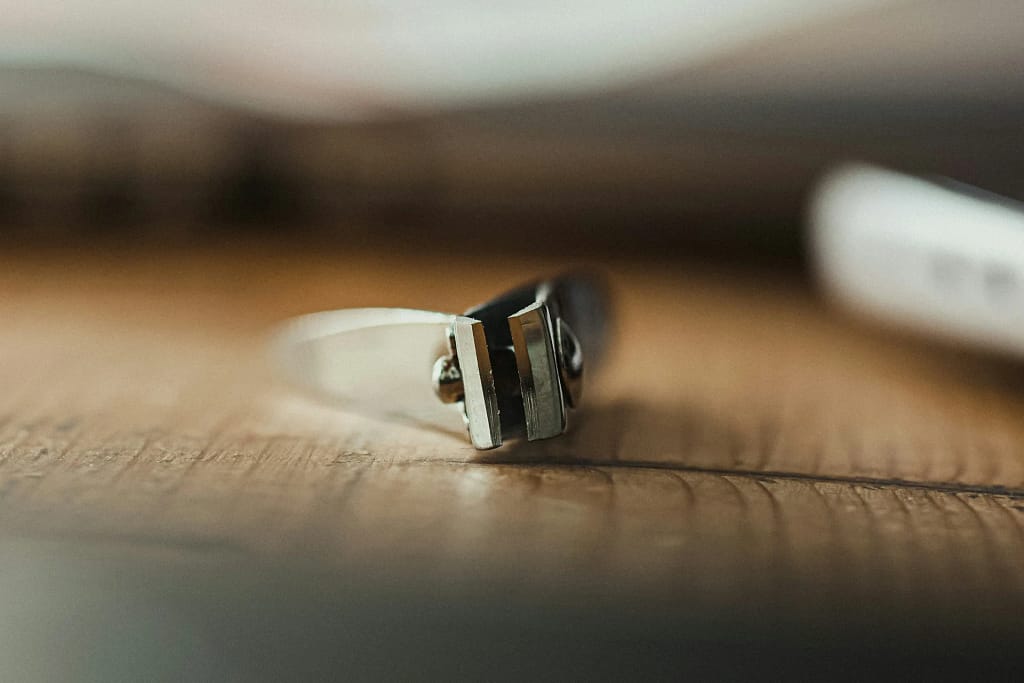
Biological age: what epigenetic clocks say
Chronological age counts the years; biological age estimates the state of the body. Epigenetic clocks, developed from the work of Steve Horvath published in Genome Biology in 2013, estimate biological age from DNA methylation. Today several services offer these tests with a simple home blood sample or a saliva sample.
They are interesting tools but still young: results from different laboratories are not always comparable, and the value of a single test is limited. Their best use in biohacking is to repeat them over time with the same service, to see a trend after a change in lifestyle.
NOVOS
NOVOS offers a biological age test based on DNA methylation and a line of supplements. It is one of the best-known brands in the longevity world. Before ordering, check on its website that the test is available in your country and how the sample is shipped.
Explore Longevity
The longevity home
The method
Sauna and wellness at home
Sauna, red light, cold plunge
Sleep and recovery
Bedroom and technology
Biohacking and tests
Biological age and biomarkers
Supplements
A European selection
Product selection
Our chosen partners
Private Service
Private Consultation
Would you like a home designed around your health habits?
Contact usDavid Sinclair and the information theory of ageing
No name is associated with biohacking and longevity as much as that of David Sinclair, professor of genetics at Harvard Medical School and author of the book Lifespan (2019, written with Matthew LaPlante). His best-known proposal is the information theory of ageing: according to Sinclair we age mainly because cells lose epigenetic information — the instructions that tell each cell which genes to read — rather than because of accumulated damage to DNA.
In support of the theory his laboratory has published two much-discussed studies. In 2020, in Nature, it showed that partial reprogramming with three Yamanaka factors restored visual function in old mice. In 2023, in Cell, it described a mouse model in which disturbing the epigenome accelerates the signs of ageing, which can then be partly reversed.
Sirtuins, NAD+ and the habits Sinclair suggests
At the centre of Sinclair’s work are the sirtuins, enzymes that regulate the epigenome and depend on a molecule, NAD+, which tends to decline with age. Hence the interest in NAD+ precursors such as NMN and in resveratrol, which we discuss on the page dedicated to longevity supplements. The habits Sinclair describes are simple and shared by most research: eat less and with breaks, move, expose yourself to cold and heat, sleep well, do not smoke.
For a careful reader, one distinction matters. The results in mice are solid and published in major journals; applications in humans are still being studied, and some of Sinclair’s popular claims have been criticised by other researchers for going beyond the data. Serious biohacking takes from his theories what is already within everyone’s reach: the habits, and a home that makes them easy, such as the sauna and a bedroom designed for sleep.
Longevity
Scientific protocols, wearables, supplements and retreats for UHNW clients who invest in…
Blood biomarkers: the foundation of biohacking
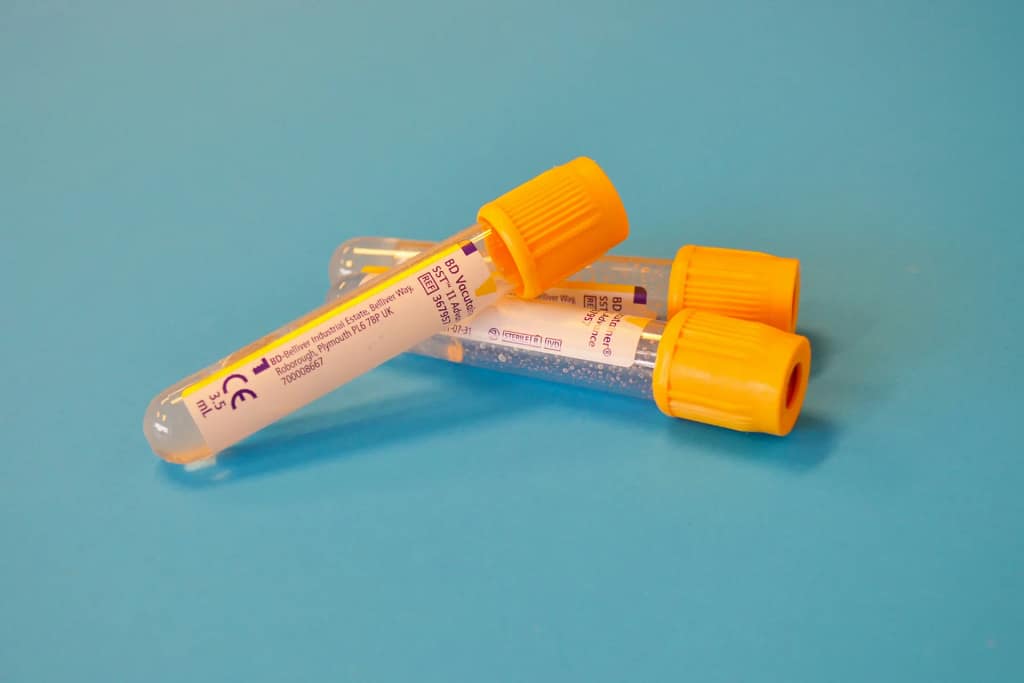
Blood tests remain the most solid tool: lipid profile, blood glucose and glycated haemoglobin, liver and kidney function, iron, vitamin D, markers of inflammation. Your GP can prescribe them and a trusted laboratory carries them out at a modest cost. Repeating them regularly lets you see changes over time.
Some digital services collect this data, compare it with ranges considered optimal and suggest habits. They are convenient for keeping everything in one place, but clinical decisions remain your doctor’s. In biohacking the value lies in the continuity of measurement, not in the number of parameters.
InsideTracker
InsideTracker analyses blood biomarkers and wearable data and offers guidance on nutrition, exercise and sleep. The service was born in the United States: check on its website whether it is available in your country and whether you can upload tests done at a local laboratory.

Longevity
An infrared sauna in the villa: how to choose it, where to place it, how to combine it with red light and cold…
The gut microbiome
The microbiome is the community of microorganisms that live in the gut. Research links it to many aspects of health, but it is a field still evolving: commercial tests describe the composition of the microbiome and suggest dietary guidance, with a value that should be read with caution.
For those who want to explore this subject, our advice is to choose services that are transparent about their method and to use the result as a starting point for a conversation with a doctor or nutritionist, not as a diagnosis.
Viome
Viome offers tests that analyse the activity of the microbiome and suggests personalised dietary guidance and supplements. Here too, check on its website whether the service is available in your country.

Longevity
Functional anti-ageing nutrition for UHNW clients. Science-based dietary protocols, supplements…
Wearables: everyday biohacking
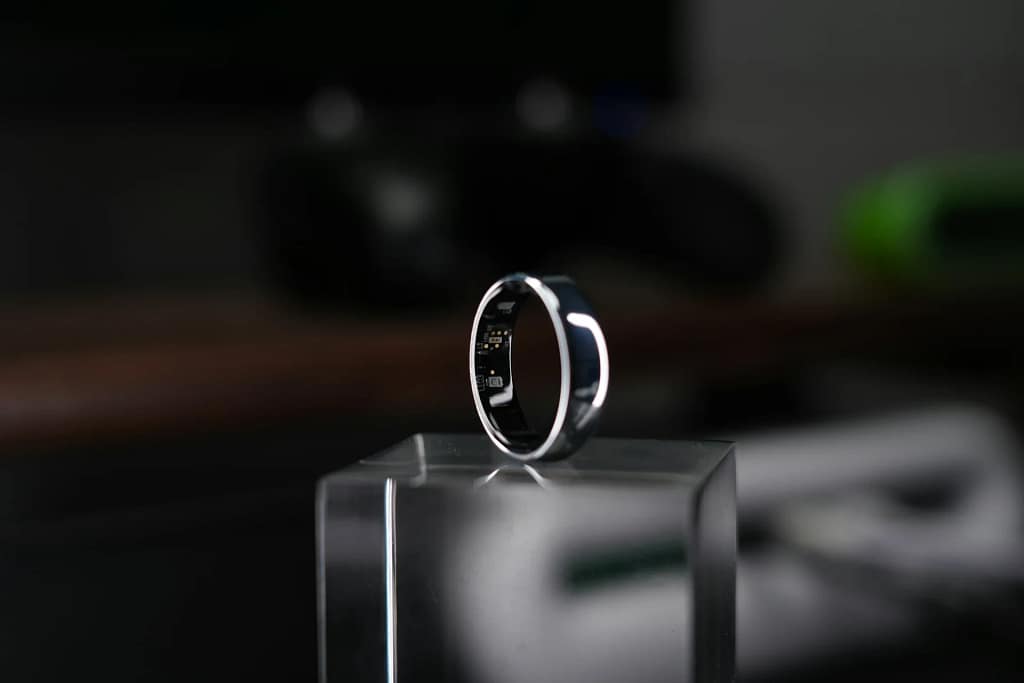
Rings, watches and chest straps measure steps, heart rate, heart rate variability, sleep and skin temperature. They are the most accessible form of biohacking: they collect data continuously and make habits visible. Their limit is accuracy, which varies by parameter, and the risk of looking at the numbers too much.
The best use is to watch trends over weeks and months: how sleep changes with a darker bedroom, how resting heart rate changes with more movement. We discuss this on the page dedicated to sleep technology, where we present the Oura ring.

Longevity
The Elite Luxury Real Estate longevity and biohacking products shop. Premium supplements, wearables…
Biohacking and the home: the environment as an intervention
Much of the data collected through biohacking leads to the same conclusion: habits depend on the environment. You sleep better in a dark, quiet bedroom, you move more if the gym is bright and close by, you eat better if the kitchen is comfortable and tidy, you use the sauna if it is a few steps from the bedroom.
That is why the biohacking we propose often ends in an architectural project: the data shows where to intervene, the house makes the intervention permanent. A concrete example is a carbon dioxide sensor in the bedroom that flags stale air at night: the lasting solution is mechanical ventilation, not opening the window at every alert.
Environmental sensors
Alongside the devices that measure the body are those that measure the home: carbon dioxide, particulate matter, humidity, temperature, noise, light. They are the biohacking of the environment, and they cost little. In a new villa they are integrated into the home automation system and directly control ventilation and shading.
Architecture
Everything a luxury villa needs, curated by architect Federico Cappellina. Materials…
A six-step biohacking method
First: basic blood tests with your doctor. Second: a wearable for a month, without changing anything, to know your starting point. Third: choose a single intervention, for example on sleep or on the bedroom. Fourth: measure for a few weeks. Fifth: compare with the starting point. Sixth: decide whether to keep the intervention and move on to the next.
A biological age test can be added at the start and after a year, always with the same service. Supplements come last, to be assessed with your doctor: we discuss them on the page dedicated to longevity supplements.
Biohacking: what to avoid
Avoid protocols copied from others: what works for one person may be of no use to another. Avoid changing everything at once, because it becomes impossible to understand what worked. Avoid products that promise quick results or cite studies without a source. Avoid interpreting tests and results on your own: a doctor is there precisely to read the data in the context of the person.
Avoid too much measuring as well: too many numbers create anxiety and distract from the habits that matter. The best biohacking is the kind that, after a few months, becomes routine and is forgotten.
Transparency: some links on this page lead to the websites of the brands mentioned and may in future be affiliate links: if you buy, Elite Luxury Real Estate may receive a commission at no extra cost to you. The content is for information only and does not replace the advice of a doctor.

Invest
Luxury villas for sale selected by Elite Luxury Real Estate in Italy, Dubai, Zanzibar and…
Architecture
UHNW luxury villa architecture signed by Federico Cappellina. Contemporary minimalist villas in…
Biohacking for those who live across several countries
Many Elite Luxury Real Estate clients live between several homes and several countries. For them biohacking has a practical advantage: digital data available anywhere, tests shipped to the door, indicators comparable over time even when changing doctor or laboratory. The condition is to choose services available in every country where you live and to keep the results in a single archive.
The homes can be consistent too: the same standards for bedroom, ventilation and wellness area in every residence, so that the body finds the same environment everywhere. It is one of the subjects we address when a client designs a second home by the sea, by a lake or abroad.
Luxury Living
Luxury yacht charter: what a week really costs (rate, APA, VAT), where to sail for…
Biohacking for sleep, movement and nutrition
There are three areas where biohacking gives the most concrete results. Sleep: regular hours, a dark and cool bedroom, measuring duration and regularity. Movement: daily steps, muscle strength, aerobic activity, measured with a wearable and with simple tests such as the time it takes to climb a flight of stairs. Nutrition: what and when you eat, watching the effect on blood tests months later.
In all three areas the home plays a part: a bedroom designed for sleep, a bright gym close by, a comfortable and tidy kitchen. Biohacking that ignores the environment collides every day with the obstacles of the house and ends up being abandoned.
Muscle strength and lean mass
With age, muscle mass tends to decline, and research associates it with many aspects of healthy ageing. Measuring it is simpler than it seems: some scales estimate body composition, and tests such as grip strength are used in clinical practice. It is an example of useful biohacking that leads to a concrete habit: training strength regularly.
Heart rate variability and stress
Heart rate variability — the variation in the intervals between one heartbeat and the next — is one of the most followed parameters in biohacking. Wearables estimate it during sleep. Values and trends should be read with caution, but a prolonged drop can signal tiredness, poor recovery or stress. It is an invitation to slow down, not a diagnosis.
Biohacking the environment: air, light and water
The most neglected biohacking concerns the environment you live in. Carbon dioxide in the bedroom rises during the night if the room is closed and poorly ventilated; particulate matter increases when you cook without good extraction; excessive humidity encourages mould. These parameters can be measured with inexpensive sensors and corrected with precise building-services choices.
Light is the second subject: too much cold artificial light in the evening and too little natural light in the morning disturb the sleep-wake rhythm. Water is the third: an analysis of the household water shows whether treatment is needed. This biohacking of the environment has a unique advantage: once solved in the design, it works every day without requiring discipline.
Biohacking in a new villa
In a new villa the environmental sensors connect to the home automation: ventilation increases when carbon dioxide rises, shading follows daylight, the bedroom temperature drops at night. It is the most effective biohacking imaginable, because it asks nothing of the people who live in the house.
Biohacking and your doctor: teamwork
Biohacking does not replace the doctor, it makes the doctor better informed. Arriving at an appointment with months of data on sleep, resting heart rate and activity, together with previous tests, allows a more concrete conversation. The doctor can recognise what deserves attention and what is just device noise.
Other professionals are part of the team too: the nutritionist for diet, the trainer for exercise, the sleep specialist in case of disorders. And, when the data shows that a different environment is needed, the architect. Biohacking thus becomes a shared project, not a solitary experiment.
Biohacking as a family
Habits change more easily together. A family that has dinner at the same time, keeps screens out of the bedrooms and moves at weekends achieves results that one person rarely reaches alone. Family biohacking is simple: a little shared data, such as hours of sleep and steps, and a few common house rules.
Here too, architecture helps. A kitchen with a large table, a garden that is easy to reach, a gym or a room for yoga, quiet bedrooms for the children: these are the spaces that make healthy habits natural for the whole family, not only for the biohacking enthusiast.
How much biohacking costs
Biohacking can cost very little or a great deal. Blood tests prescribed by your doctor, a wearable and a sensor for the air at home already cover the essentials at a modest cost. Biological age tests, microbiome tests and subscription services add costs that should be weighed against how you will really use them.
The criterion we suggest is to ask, before every purchase: will this data change one of my decisions? If the answer is no, the test can wait. The most useful spending remains on the home, because it works every day for many years.
In short: useful biohacking measures little and well, changes one thing at a time and almost always leads to improving the home you live in.
Frequently asked questions about biohacking
What is biohacking?
It is the set of practices that use the measurement of health parameters to guide lifestyle changes. Done with method and together with your doctor, it is a structured way of taking care of yourself.
Are biological age tests reliable?
They are promising but still young tools: they are useful above all for watching a trend over time with the same service, not as an absolute value.
Which test should you start with?
With the basic blood tests prescribed by your doctor. They are inexpensive, reliable and repeatable; the other tests can be added later, if needed.
Does biohacking require supplements?
No. Sleep, movement, nutrition and environment come first. Supplements are assessed with your doctor on the basis of your test results.
From measurement to design
A longevity home is designed, not furnished afterwards. The studio of Federico Cappellina integrates the wellness area, sauna, a bedroom designed for sleep, and air and light quality from the very first design: anyone thinking about a new villa or a renovation can start here.
Are you designing a villa?
The studio integrates wellness, sleep and air quality from the very first design.
Discover the whole UHNW Lifestyle
Measure to decide: tests help you choose where to intervene, in the home too.