
ELRE
Luxury travel
Luxury, when travelling, is the experience: five places, one guide each, with seasons, documents, a few chosen hotels and the name of the source.
Luxury travel: experiences first
Luxury travel is the part of Elite Luxury Real Estate devoted to luxury travel in the places we know closely. For us, luxury on the road is not a list of resort amenities: it is the right time in the right place, a bay seen in the season when the whales arrive, a Nabataean tomb at dawn before the groups, an atoll chosen for its coral reef and not for the photograph of the water villa.
That is why we do not publish rankings or catalogues of destinations. Each place has a single page, written as a guide: the experiences worth the trip, the best season, the entry documents, a few places to stay and, at the end, the sources. Today there are five guides: Zanzibar, the Dominican Republic, Dubai, the Maldives and AlUla with the Red Sea. This page lines up our luxury travel guides, compares them and explains how we choose the places.
Luxury travel
A guide for every place
Zanzibar
Stone Town, Mnemba, the coasts
Dominican Republic
Samaná, Los Haitises, Santo Domingo
Dubai
Al Fahidi, the Creek, the desert
Maldives
Baa Atoll and Hanifaru
AlUla and the Red Sea
Hegra and the sea resorts
Luxury travel in Zanzibar
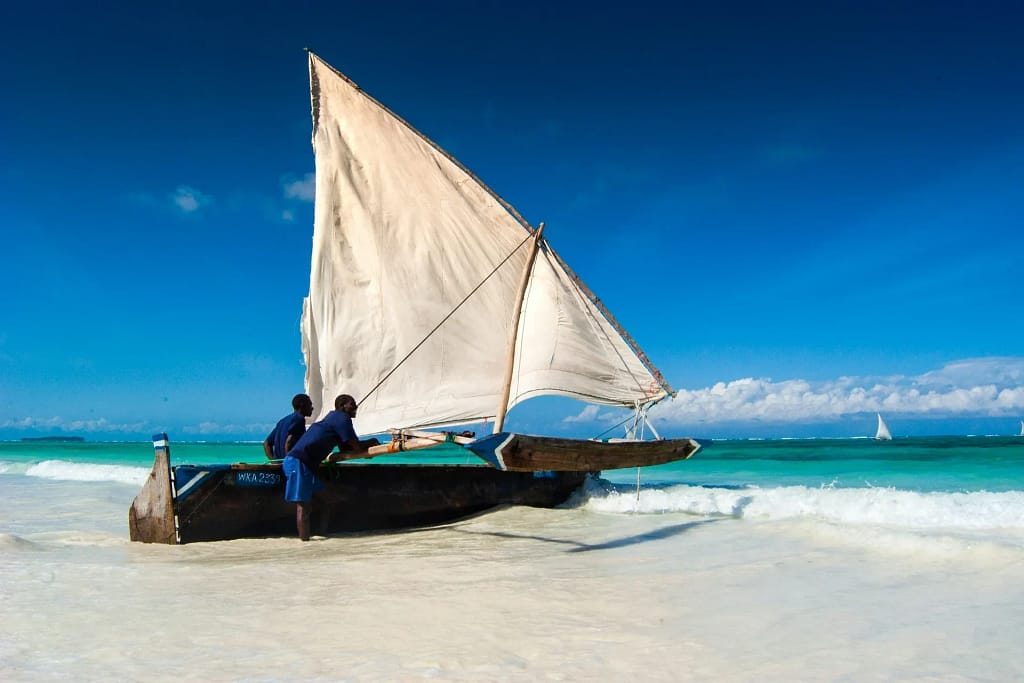
Zanzibar is the destination we have followed the longest, for luxury travel and as a real estate market. The archipelago’s main island combines the Indian Ocean with an ancient Swahili culture: Stone Town, the old town on the UNESCO World Heritage List, with its fort, the Darajani market and carved wooden doors; the spice plantations inland; the villages where, in Nungwi, dhows are still built by hand, the lateen-sail boats that for centuries followed the monsoons between Africa, Arabia and India.
At sea, the finest experience remains snorkelling in the Mnemba Atoll marine reserve, in the north-east. On the east coast, from Paje to Jambiani, the sea retreats hundreds of metres at low tide, leaving lagoons and sandbanks: extraordinary landscapes, but hours when you cannot swim. In the north, Kendwa and Nungwi stay swimmable for most of the day. The dry season runs from June to October; a second excellent period is December to February, hotter; the long rains fall between March and May.
Before leaving, Italian citizens need a passport with at least six months’ remaining validity, a visa for Tanzania and, for Zanzibar, the island’s compulsory insurance in force since October 2024 (Viaggiare Sicuri, Tanzania page checked on 10 October 2026). Everything else, from hotels to beaches, is in the Zanzibar guide.
Travel
Luxury hotels, private villas and real estate investments in Zanzibar luxury. Curated experiences…
Luxury travel in the Dominican Republic
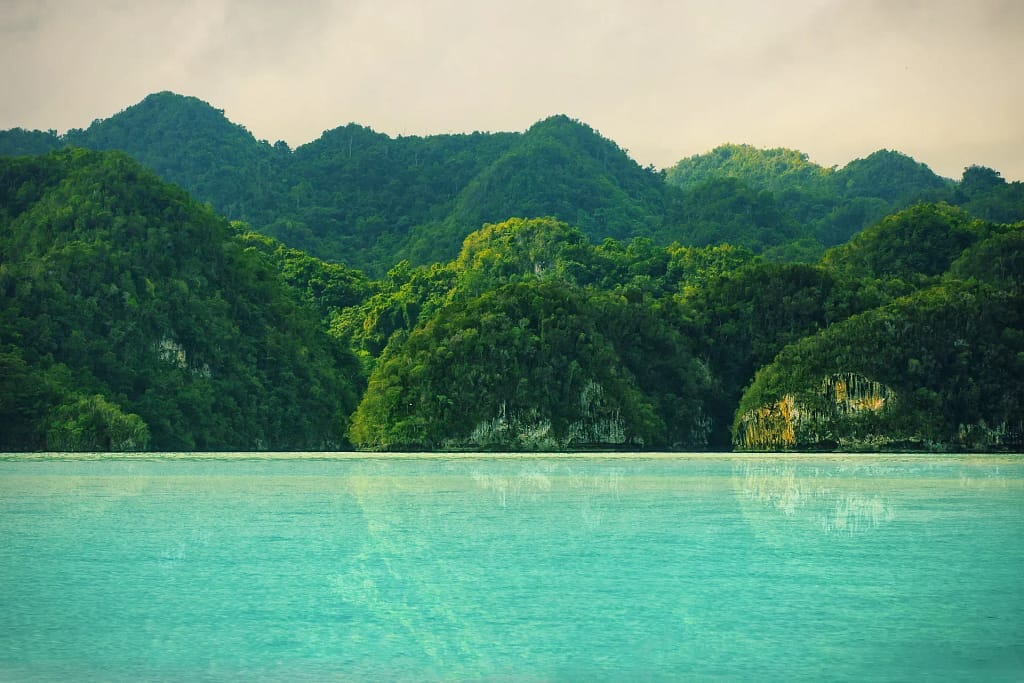
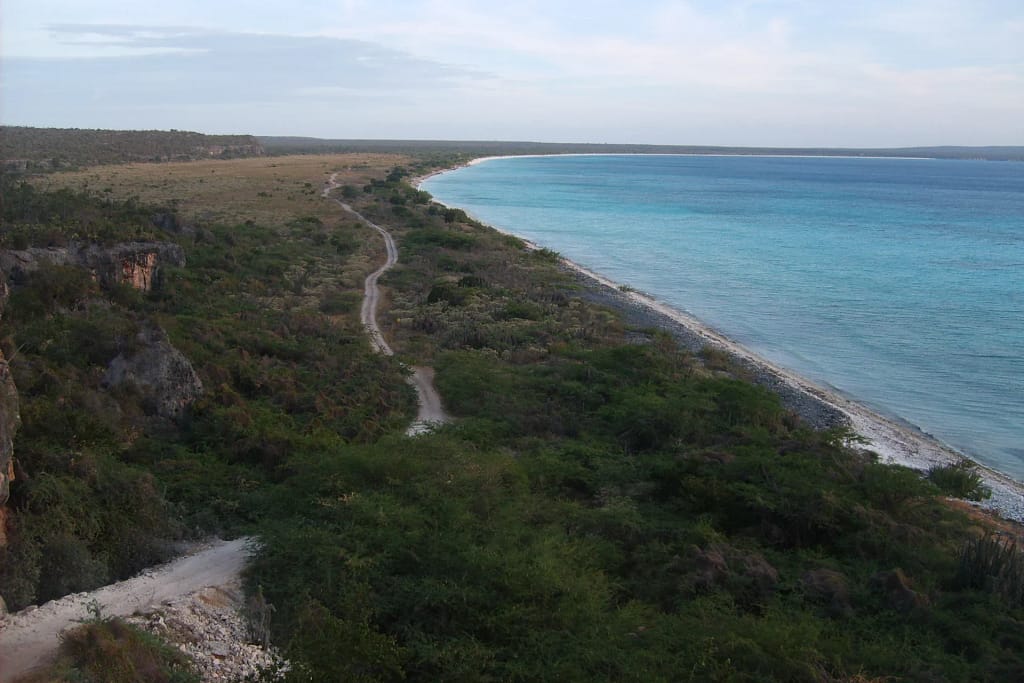
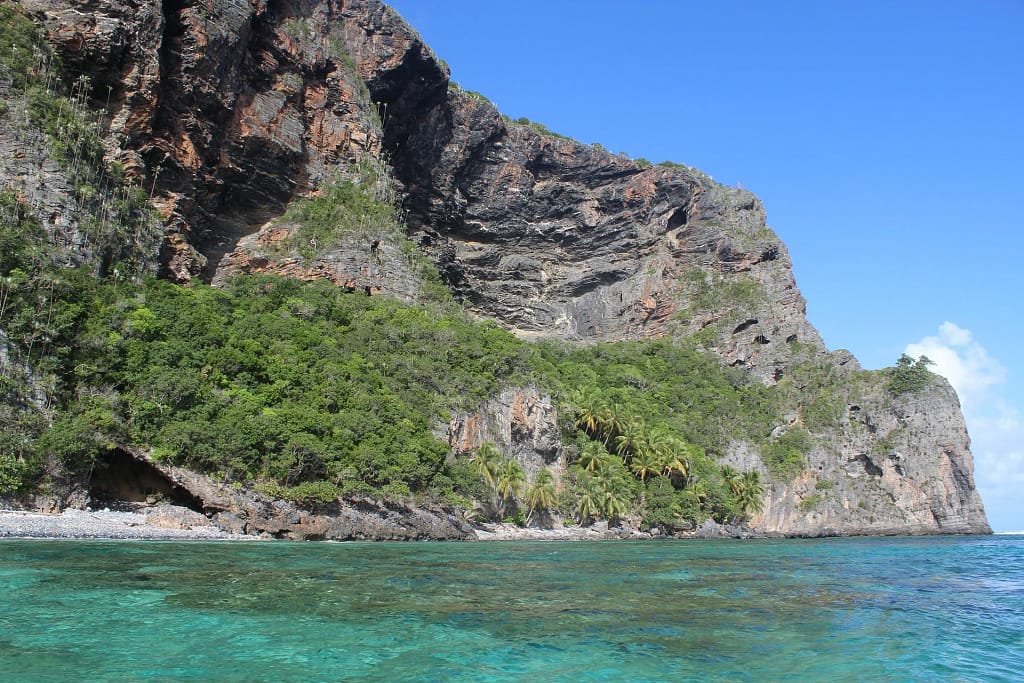
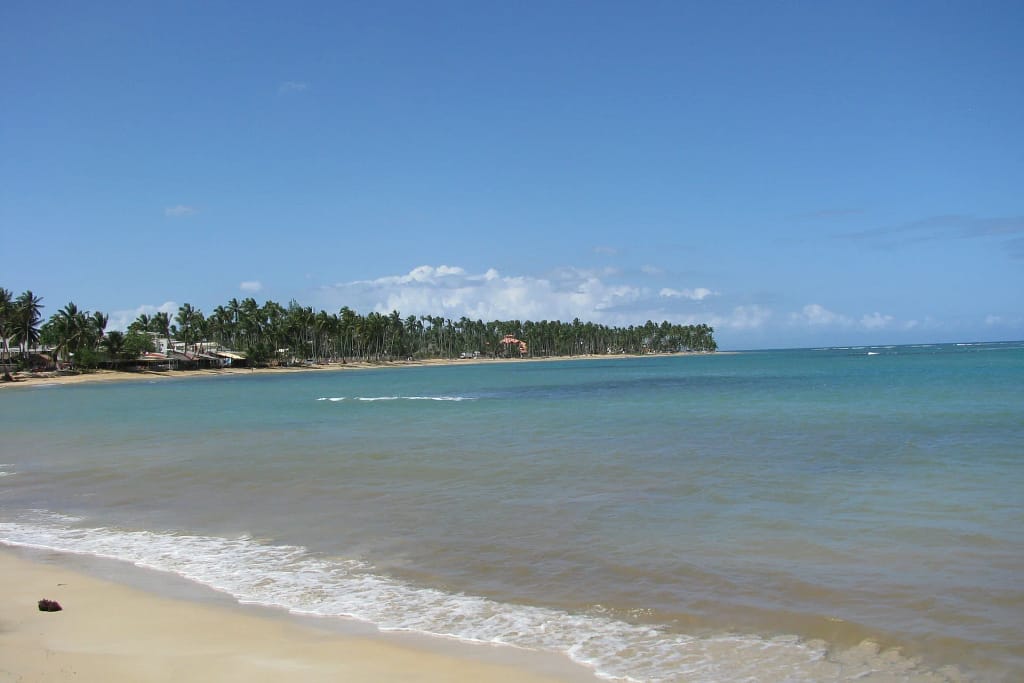
For many people the Dominican Republic means a week in a beach resort in Punta Cana. The country offers far more, and luxury travel here begins where the big resorts end. In Samaná Bay, on the north-east coast, humpback whales arrive every winter to breed: the season usually runs from mid-January to the end of March and boat trips are regulated by the Ministry of the Environment. Across the bay, Los Haitises National Park is a landscape of karst hills, mangroves and islets, with caves that hold Taíno pictographs.
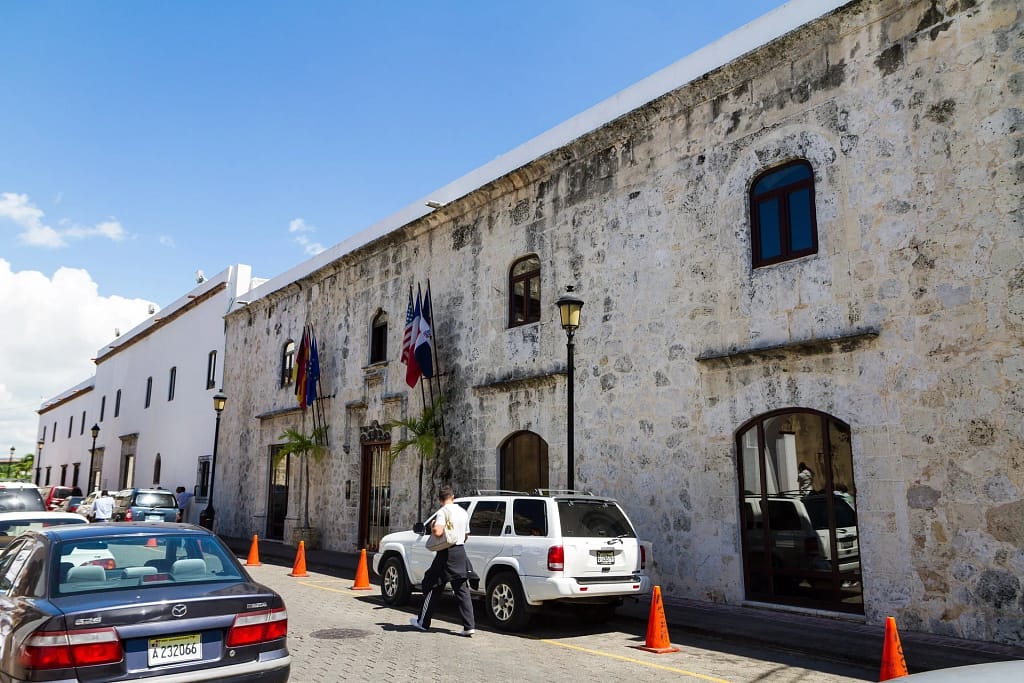
Santo Domingo’s historic centre, the Colonial Zone, has been a UNESCO site since 1990: the first city founded by Europeans in the New World. To the south-east lies Saona island, in the Parque Nacional del Este; in the south-west, inside Jaragua National Park, the unbuilt beach of Bahía de las Águilas, far from everything and worth seeing for exactly that reason.
The Atlantic hurricane season runs from 1 June to 30 November (NOAA National Hurricane Center): it does not make the trip inadvisable, but it suggests flexible plans and insurance covering cancellations. Italian citizens need only a passport, with no visa for tourist stays under 30 days, plus the online entry and exit form (Viaggiare Sicuri, 10/10/2026). The full guide is Dominican Republic travel.

Travel
Dominican Republic travel beyond the resort: humpback whales in Samaná, Los Haitises, Saona island…

Luxury travel in Dubai
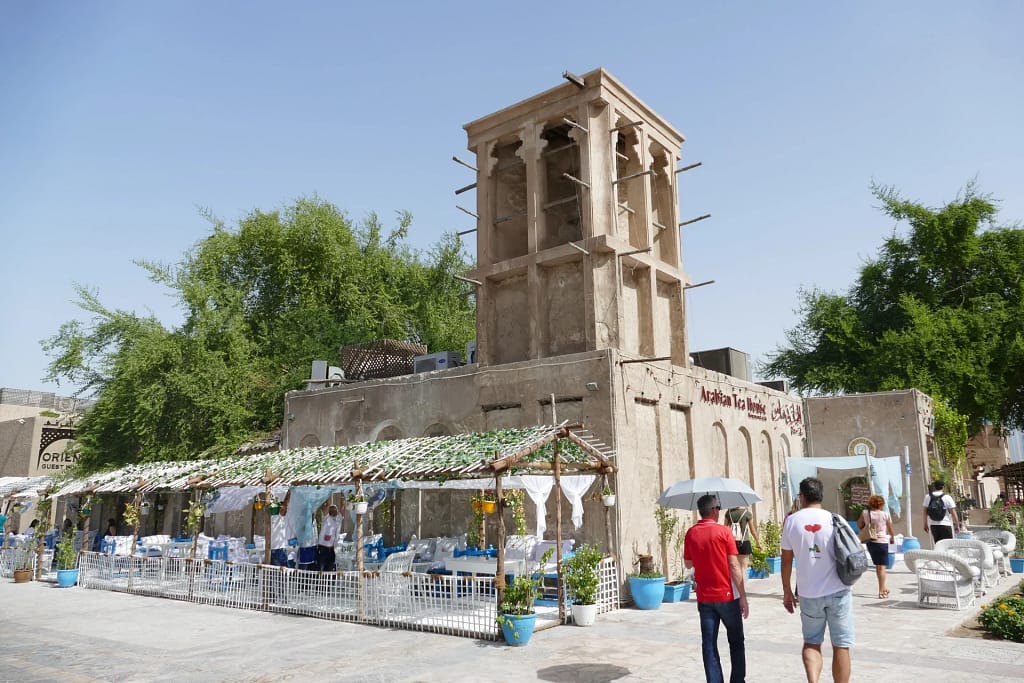
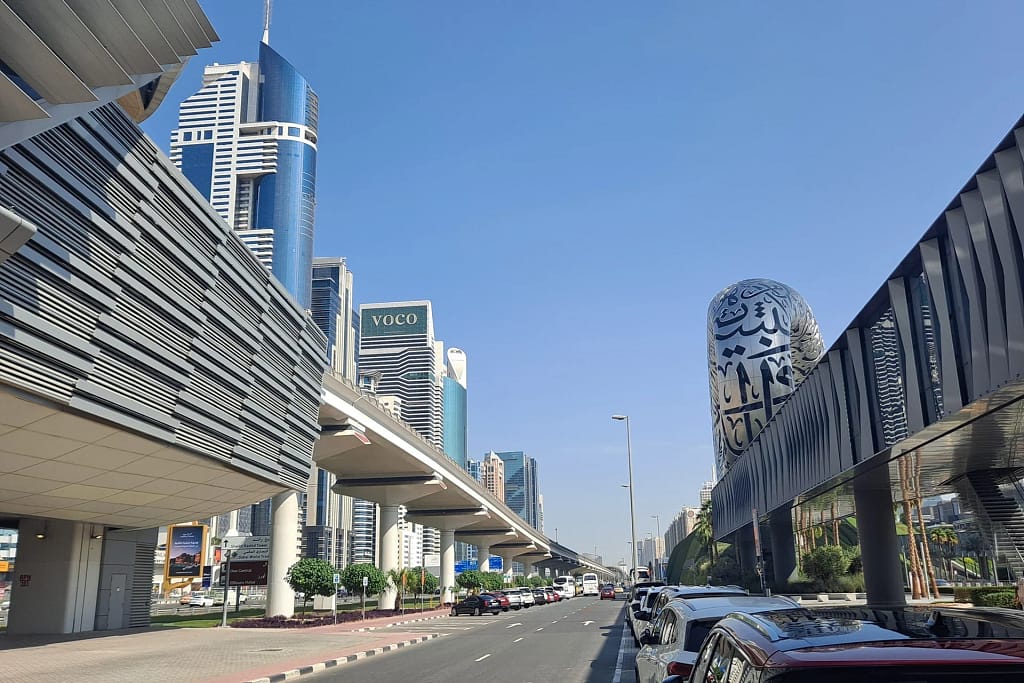
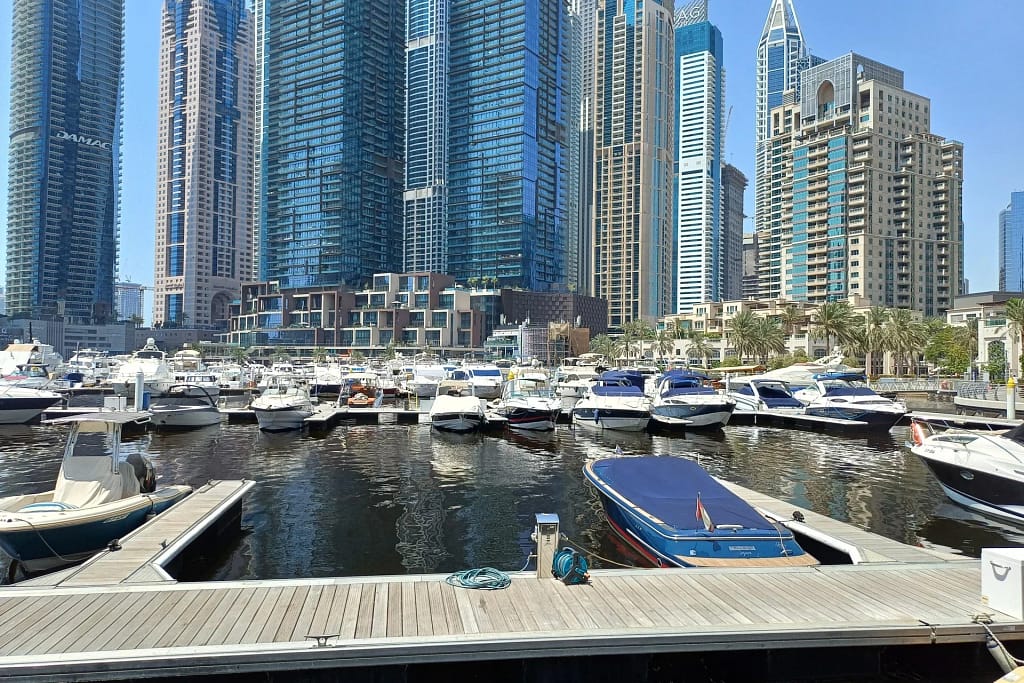
Dubai, in luxury travel, is imagined among skyscrapers and malls. It also has a historic district, Al Fahidi, with low houses and wind towers that ventilated homes before air conditioning; the Creek, the sea inlet crossed on abras, the wooden boats, towards the spice and gold souks of Deira; the Museum of the Future, a ring covered in Arabic calligraphy on Sheikh Zayed Road.
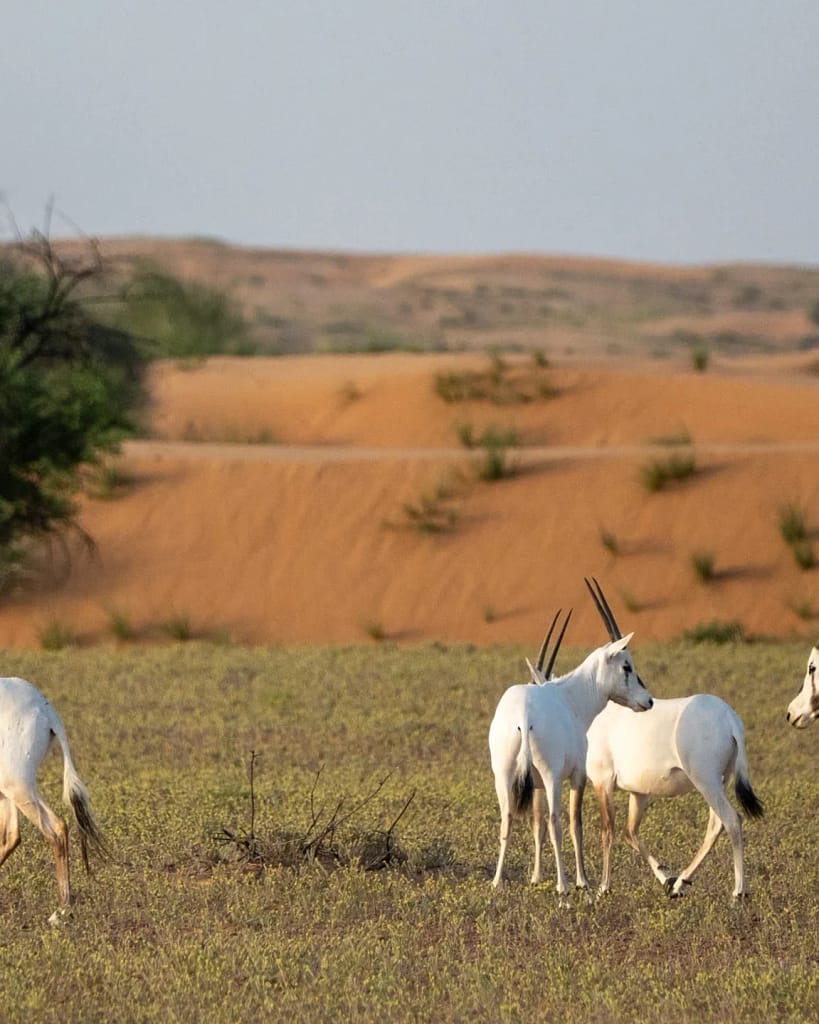
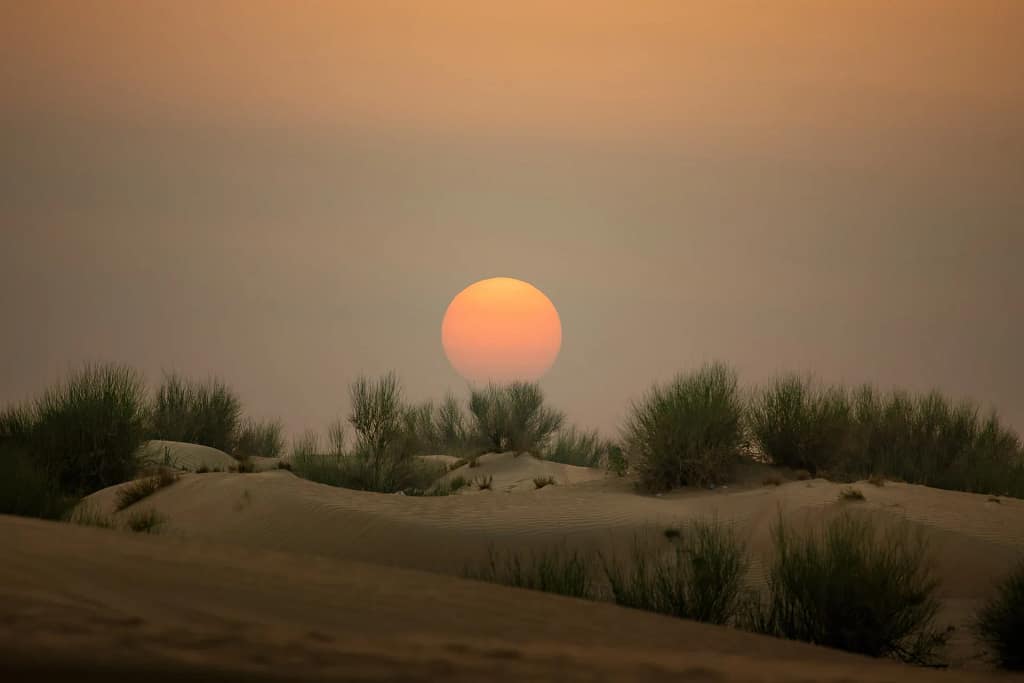
Less than an hour from the city, the Dubai Desert Conservation Reserve is a protected area where Arabian oryx have been reintroduced: a dawn excursion on foot, on horseback or by camel with a guide shows a desert very different from the off-road tours. For luxury travel in Dubai the most pleasant months are usually November to April; summer is very hot and life moves indoors.
For Italian citizens: a passport with at least six months’ remaining validity and no visa for stays of up to 90 days (Viaggiare Sicuri, 10/10/2026). Hotels, experiences and sources are in the guide Dubai travel.
Travel
Dubai travel beyond the skyscrapers: the Al Fahidi historic district, abras on the Creek, the…

Travel
Maldives travel starts with the atoll: Baa Atoll UNESCO biosphere reserve, manta rays in Hanifaru…
Luxury travel in the Maldives
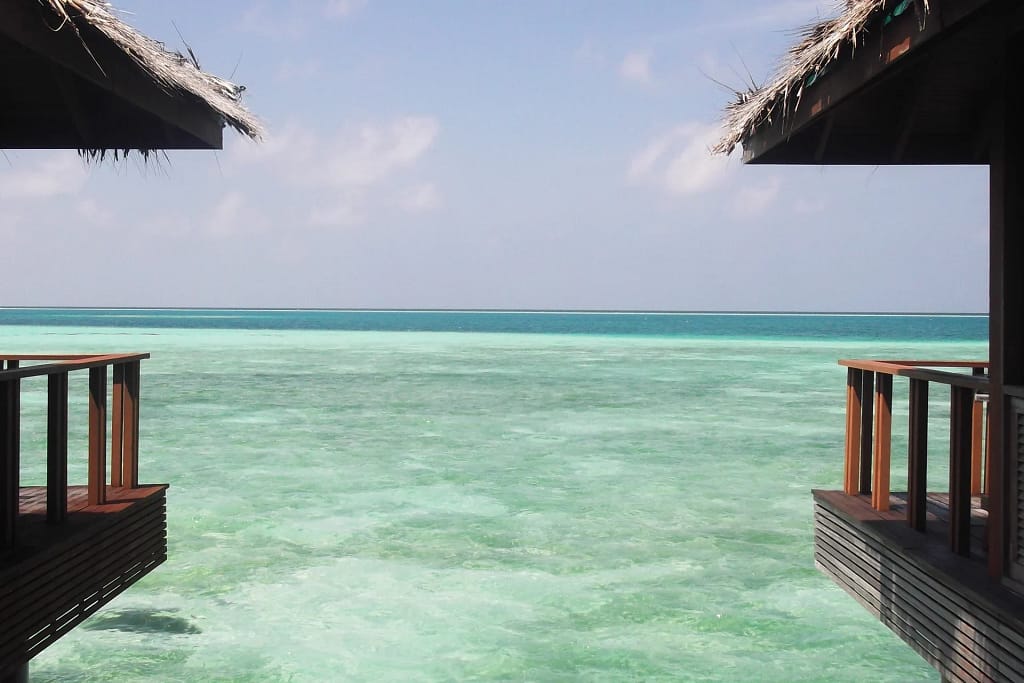
A trip to the Maldives is almost always planned starting from the resort. We suggest reversing the order: the Maldives are a chain of very different atolls, and the atoll decides what you will see in the water, how long the transfer takes and which season to go in. Baa Atoll has been the country’s only UNESCO biosphere reserve since 2011; inside it, Hanifaru Bay is a marine protected area where, during the south-west monsoon, plankton attracts large groups of manta rays, usually from May to November, with limited access and snorkel only.
Turtles, reef sharks, clownfish: much can be seen just swimming from the beach. Before choosing a resort it is worth asking about its house reef and how close it is. The driest months with the calmest sea are usually December to April; from May to November there is more rain and wind, but it is manta season.
Documents need care: for Italian citizens, a passport valid at least 30 days beyond the return, a tourist visa and the Traveller Declaration on the IMUGA portal within the 96 hours before arrival (Viaggiare Sicuri, 10/10/2026). Atolls, hotels and sources are in the guide Maldives travel.

Travel
Saudi Arabia travel: Hegra, the country’s first UNESCO site, Elephant Rock and Maraya in AlUla, the…
Luxury travel in AlUla and on the Red Sea
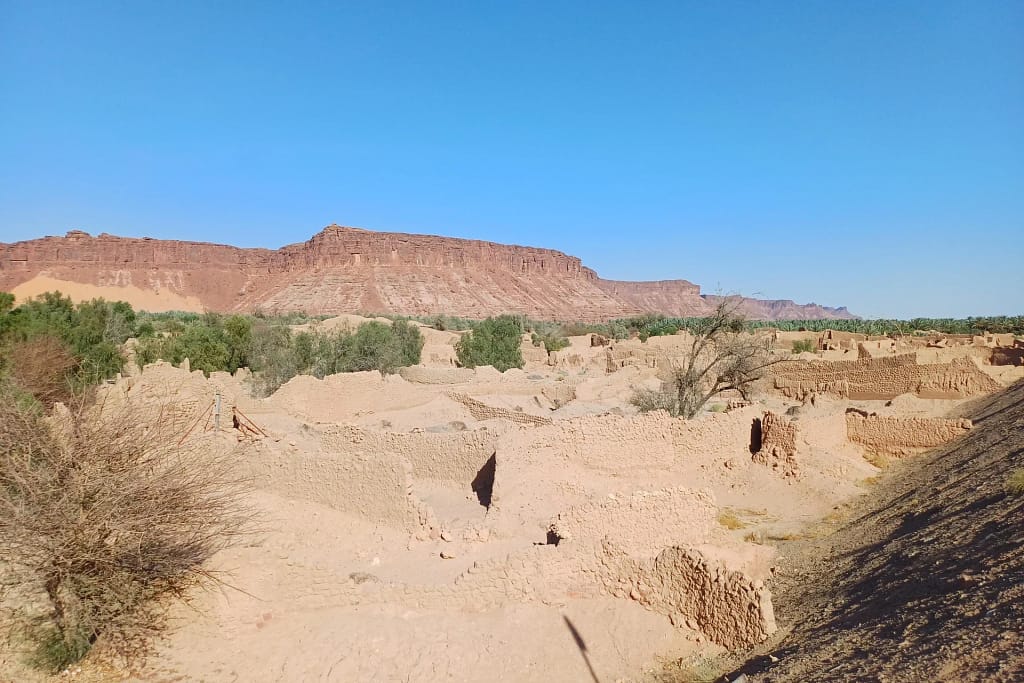
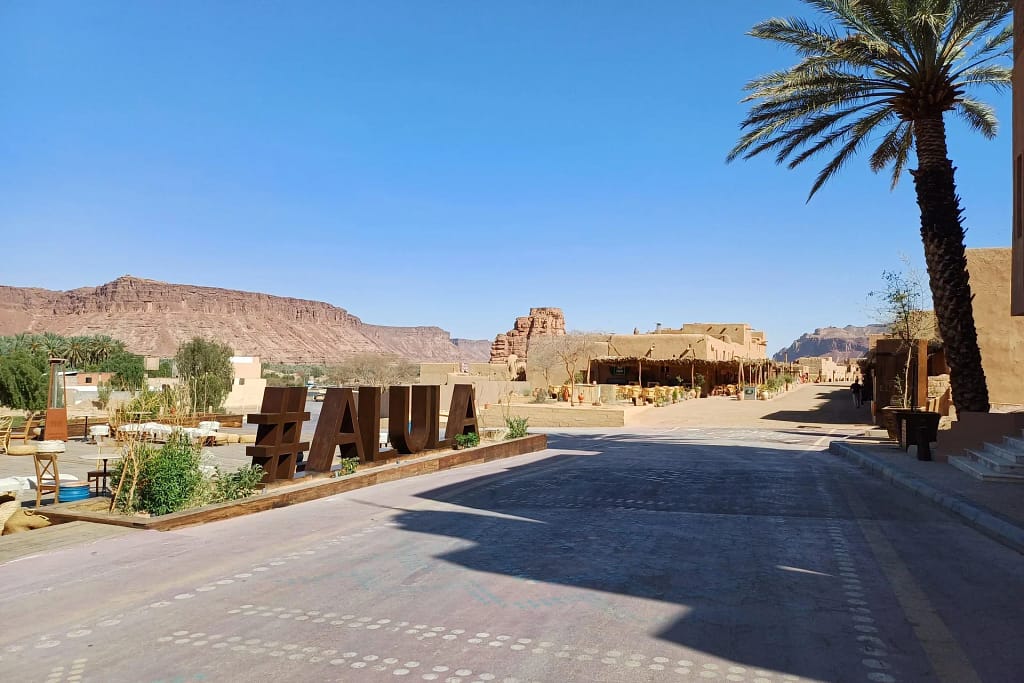
Until a few years ago, tourist travel to Saudi Arabia was almost impossible; today it is one of the newest luxury travel destinations, for those looking for places few people visit. In AlUla, in the north-west, Hegra became in 2008 the first Saudi site on the UNESCO World Heritage List: the tombs of the Nabataeans, the people of Petra, are carved into sandstone outcrops, and the best known, Qasr al-Farid, stands alone in the desert. Visits are booked on the official Experience AlUla portal.
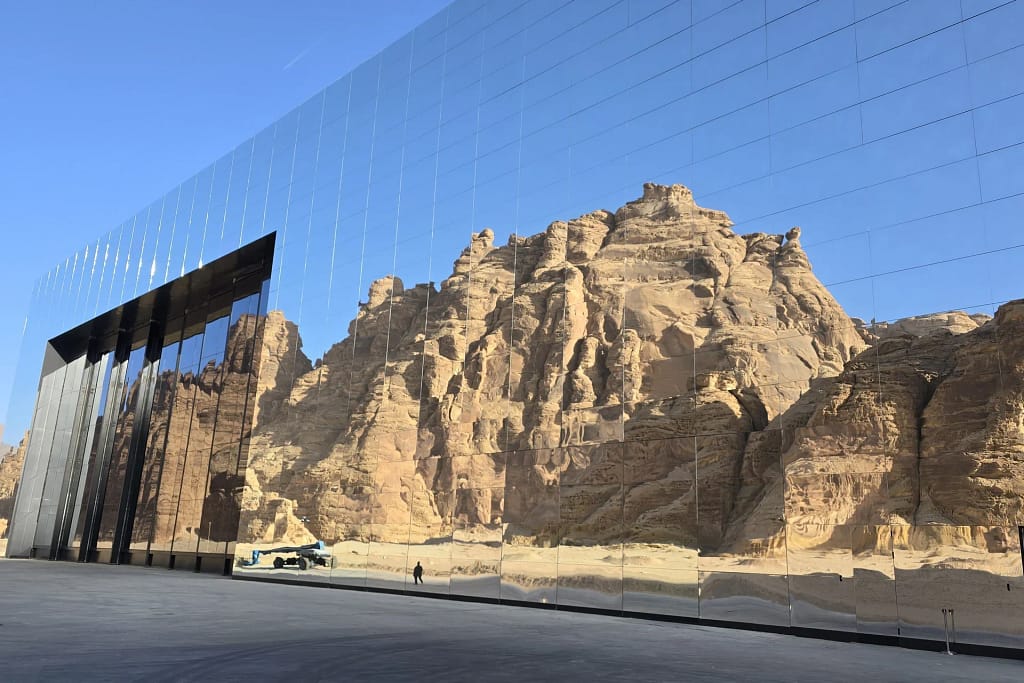
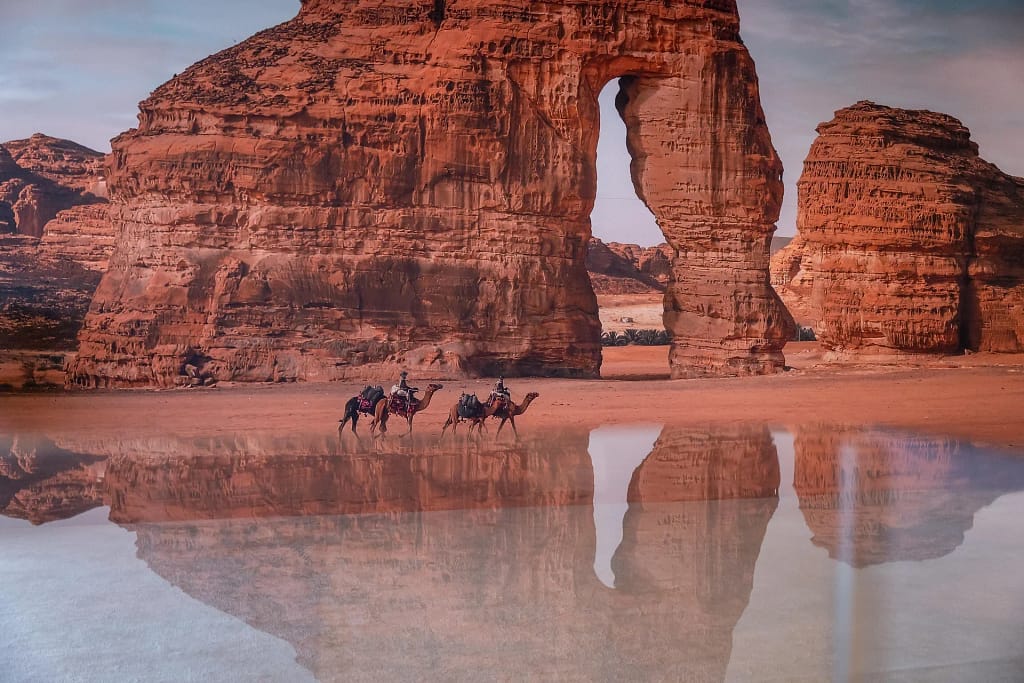
Around it are Elephant Rock, one of the sunset spots, Maraya, the mirror-clad concert hall reflecting the canyon, and the old town of mud brick and stone. On the coast, Red Sea Global is opening resorts on islands, dunes and mountains: Desert Rock, carved into granite, has been bookable since 10 December 2024 and has 54 villas and 10 suites. For AlUla the best months are usually October to March.
Italian citizens need a passport with at least six months’ remaining validity and a visa, which for tourism is applied for online on the Visit Saudi portal; the Viaggiare Sicuri page (10/10/2026) also lists the rules of conduct to respect in the country. Everything else is in the guide Saudi Arabia travel.
Luxury Living
Luxury yacht charter explained: how the contract works, what APA, VAT and tips add to the fee, when…
Luxury Living
Private jet charter explained: how brokers and operators work, what drives the price, which AOC to…
When to go: the luxury travel calendar
In luxury travel the season changes the trip more than any hotel. The table brings together the months given in our guides: they are climate tendencies, not guarantees, and every year is different.
| Destination | Best period | Good to know |
|---|---|---|
| Zanzibar | June–October; December–February | long rains between March and May |
| Dominican Republic | January–March (whales in Samaná) | hurricanes possible 1 June–30 November |
| Dubai | November–April | very hot summer |
| Maldives | December–April (calm sea) | May–November: monsoon and mantas in Hanifaru |
| AlUla and the Red Sea | October–March | very hot summer |
Two practical examples. If you can only travel in summer, Zanzibar is in its dry season while Dubai and AlUla are at their hottest. If you leave between January and March, you can choose between the whales of Samaná, the calm sea of the Maldives and the mild desert of AlUla and Dubai.
Luxury travel documents: what to check
Entry rules change often, and even the best-prepared luxury travel plans are easily spoiled at the check-in desk. This is the picture for Italian citizens according to the Viaggiare Sicuri pages of the Italian Ministry of Foreign Affairs, checked on 10 October 2026; other nationalities should check their own government’s advice, and everyone should re-check before leaving.
| Destination | Passport | Visa and forms |
|---|---|---|
| Zanzibar (Tanzania) | at least 6 months’ remaining validity | visa required; Zanzibar compulsory insurance since October 2024 |
| Dominican Republic | required | no visa for tourism under 30 days; online entry and exit form |
| United Arab Emirates (Dubai) | at least 6 months’ remaining validity | no visa up to 90 days |
| Maldives | at least 30 days beyond the return | tourist visa and Traveller Declaration on IMUGA within 96 hours of arrival |
| Saudi Arabia | at least 6 months’ remaining validity | visa required, for tourism online on Visit Saudi |
For vaccinations the common rule is yellow fever: required only for travellers arriving from at-risk countries, according to the same pages. For everything else, follow your own doctor’s advice.
Invest
Private villa events on request: dinners, parties and design evenings, with chauffeured cars…
Getting there and around: the trip starts with the transfer
In luxury travel the transfer is not a detail: it decides how much of the holiday you spend travelling. That is why our guides always explain how to reach the place, not only the hotel.
- Zanzibar: the international airport is on the island; from Europe there are direct flights, including from Milan, as well as connecting flights. From the airport to the north and north-east coast resorts you travel by car.
- Dominican Republic: Punta Cana is the airport for the eastern resorts, Santo Domingo for the capital. Samaná and Los Haitises need a few hours by road or a domestic flight: plan at least two nights there.
- Dubai: the city is also one of the world’s major hubs. The protected desert is less than an hour away; the Creek and Al Fahidi need an afternoon, best at sunset.
- Maldives: you land at Malé and reach the resort by seaplane, speedboat or domestic flight, depending on the atoll. Seaplanes generally fly only in daylight: if you land in the evening you may need a night near Malé.
- AlUla and the Red Sea: AlUla has its own airport; the Red Sea resorts are reached from Red Sea International airport, then by car, boat or seaplane. Getting between AlUla and the coast is a separate transfer.
When a transfer is long, we say so. It is one of the most useful questions to ask before booking, and one of those brochures answer least willingly.
Luxury travel across two destinations
Some destinations combine well into one trip: two luxury travel experiences in one. Dubai is a frequent stopover on the way to the Maldives or Zanzibar: two or three nights in the city, with the desert and Al Fahidi, before a week by the sea break up the flight and change the rhythm of the journey. AlUla and the Red Sea coast are in the same country and under the same visa: sandstone desert and coral reef in a single departure.
In the Dominican Republic the finest combination stays within the country: a few days in Santo Domingo for the Colonial Zone, Samaná in whale season, and the sea of the south-east or south-west to finish. This is luxury travel in our sense of the word: fewer pointless journeys, more time in the right places.
Invest
Luxury real estate Dominican Republic — beachfront villas, branded residences and investments at…
Luxury travel that respects places
Almost all the experiences in our luxury travel guides take place in protected areas: the Mnemba marine reserve, the Dominican national parks, the Dubai desert reserve, the Baa biosphere reserve, the site of Hegra. They have precise rules, and rightly so: whale trips in Samaná are regulated by the Ministry of the Environment, Hanifaru is snorkel-only with rangers, Hegra is visited with the guides of the official portal.
Respecting them is part of the journey. It means choosing licensed operators, not touching corals, not chasing animals, and following dress and conduct rules where they apply, as the Viaggiare Sicuri pages indicate for Saudi Arabia. Luxury travel that leaves a place as it found it is the kind you can repeat.
How we choose the places
- A place we know: we follow it closely or our readers ask about it; we do not take it from a ranking.
- Real access: flights, transfers, travel times, even in the worst season.
- Experiences that last: a national park, a UNESCO site, a protected reef are worth more than yet another pool.
- Sourced data: every figure carries the name of whoever publishes it; where a figure does not exist, we say so.
- One page per place: the next guides will come when we have verified enough to write them well.
These criteria apply to all the luxury travel we write about, and they also explain the absences: a fashionable place does not appear until we can say, with sources, why it is worth the trip.

Invest
Custom villa design for Emirati families in Al Eyas, Latifa City and Mushrif Dubai. Italian luxury…
Where to stay: how we choose hotels
In each guide we list a few places, three to six, each with the reason we chose it: its position relative to the place’s experiences, an intimate scale, the architecture, the way it welcomes guests. They are not a luxury travel ranking and not the only good hotels in the destination: they are the ones we would recommend to a friend asking where to stay.
Each card has a single button. «Check availability» leads to Booking.com through an affiliate link: if you book there we may receive a commission from Booking.com, at no extra cost to you. When a hotel cannot be booked on Booking.com, the button leads to its official website and we receive nothing. No hotel has paid to be mentioned.
The card photographs show the hotel only when we have freely licensed images; otherwise we show the place and say so under the photo. When hotels send us their official images, we will publish them with their credit.
Luxury travel and villa life
The journey continues in our Luxury Living pages: yacht charter to see a coast from the sea, private jets for the journeys airlines make long, private mobility with a driver and private events in a villa. We coordinate local professionals and say in advance who will do what, on what terms.
Families and small groups often find a serviced villa more suitable than a resort: their own hours, a private kitchen, shared spaces. It is also the most direct way to understand how people live in a place, before thinking about a home there.
Architecture
Architectural assessment of a villa before buying: three checks, declared sources, what is observed…
Architecture
UHNW luxury villa architecture designed and supervised by Federico Cappellina’s studio since 2002…
From the journey to a home
Knowing a place as a traveller, in the right seasons and the wrong ones, is the best way to understand whether it is worth living or investing there. That is why, here, luxury travel and real estate talk to each other. In three of the destinations our Real Estate team also follows the property market: the Dominican Republic with Luca Lodi, Dubai with Tatiana Juma, and Zanzibar.
If you come back from a trip with the idea of a home, you will find properties read with our architectural assessment method in all properties; if you want to build a villa in Italy, you will find the founder’s studio, architect Federico Cappellina, in Signature Architecture. We can also arrange viewings during your trip: just write to us before you leave.
Luxury travel without promises
We do not write «exclusive», «priority access» or «waiting lists» unless we can prove it. We do not publish room rates, which change every day. When information changes, such as entry rules, we give the date we checked it and the source where you can check it again.
The videos in our guides come from the official channels of tourism boards and of the projects mentioned; the photographs, when not our own, come from Wikimedia Commons, with authors and licences on our Photo credits page.
Frequently asked questions on luxury travel
Which destinations do your travel guides cover?
Five today: Zanzibar, the Dominican Republic, Dubai, the Maldives, AlUla with the Red Sea. Each place has a single page, with experiences, seasons, documents, hotels and sources.
What is the best destination in winter?
Between January and March almost all of them work: whales in Samaná, the calm sea of the Maldives, the mild desert of Dubai and AlUla. Zanzibar is excellent from December to February.
And in summer?
Zanzibar, in its dry season from June to October. Dubai and AlUla are very hot; in the Maldives it is manta season in Hanifaru, with more rain.
Do you organise the trip?
We coordinate local professionals for transfers, stays and experiences, and tell you in advance who will do what and on what terms.
Do you earn from bookings?
Only from the «Check availability» buttons to Booking.com, which are affiliate links declared on every page. No hotel pays us to be mentioned.
How many days does each destination need?
As a guide: in Zanzibar at least a week, to combine the sea with Stone Town; in the Dominican Republic ten days, to see Samaná and Santo Domingo as well as the sea; in Dubai three or four nights, also as a stopover; in the Maldives a week, because the transfer counts; in AlUla three nights, plus the Red Sea if you want the sea.
What should I pack?
Light clothing that covers you from the sun, a reef-safe sunscreen for marine areas and, for Saudi Arabia and visits to religious sites, clothes covering shoulders and legs. For the desert, even in winter, something warm for the evening.
Can I view properties during my trip?
Yes: write to us before you leave and the Real Estate team will arrange viewings in the markets it follows.
Sources: documents and visas, Viaggiare Sicuri (Tanzania, Dominican Republic, United Arab Emirates, Maldives and Saudi Arabia pages, checked 10/10/2026); hurricanes, NOAA National Hurricane Center; Stone Town, Colonial Zone, Hegra and Baa biosphere reserve, UNESCO; Desert Rock, Red Sea Global; photographs, Wikimedia Commons (authors and licences on the Photo credits page) and Elite Luxury Real Estate.
Would you like to view properties while travelling?
Write to us before you leave.
Discover the UHNW Lifestyle
Luxury travel: chosen places, verified facts.