
ELRE
Natural stone and surfaces for the villa
Marble, travertine, local stones and wood: the surfaces that give a villa its character. How to choose the right natural stone and make it last.
Natural stone: the material that gives the villa its character
Natural stone is the oldest and noblest surface in architecture. Every slab is different, carries the mark of millions of years of formation and ages with dignity. In a minimalist villa natural stone is often the only decoration: a marble wall, a travertine floor, a basin carved from a single block.
Choosing the right natural stone means knowing how it behaves: some stones fear acids, others frost, others stain easily. In this guide we explain how we choose it in the studio’s projects and how we pair it with wood, the other living material of the house.
Types of natural stone
Marble
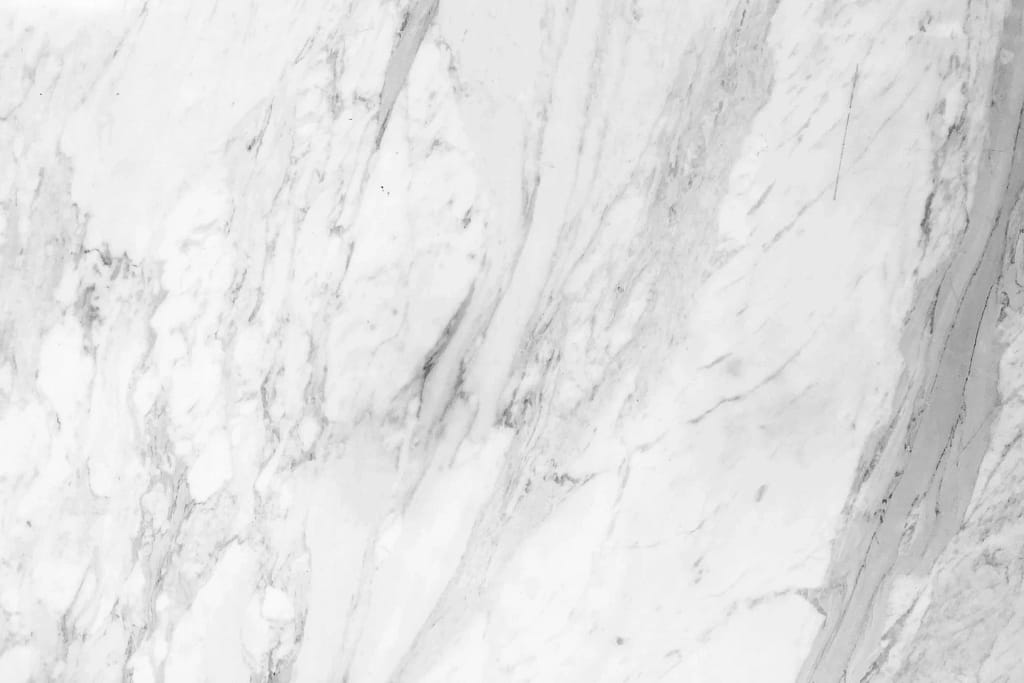
Marbles are limestones transformed by heat and pressure. They have unique veining and colours, polish well and are perfect for walls, bathroom cladding and statement surfaces. They are sensitive to acids: lemon, wine and vinegar can dull the surface, so in the kitchen they require care.
Travertine
Travertine is a porous, warm and luminous limestone, used for centuries in Italian architecture. Filled or left with its cavities, it suits indoor and outdoor floors and creates continuity between house and garden.
Quartzite and granite
Quartzites are very hard natural stones, resistant to acids and scratches, with the look of marble. They are the best choice for kitchen worktops when you want a natural stone without too many worries. Granites have similar resistance and a more textured look.
Local stones
In the Veneto, stones such as Vicenza stone and Verona red marble tell the story of the territory. Using a local natural stone reduces transport and ties the villa to its landscape, a principle we often follow in the studio’s projects.
Explore The Villa Edit
The Villa Edit
The method and the 12 systems
Structure and passive house
Building system and Passivhaus
Windows and glazing
Windows, sliding doors, doors
Energy, air and water
Heat pump, ventilation, solar
Natural stone
Marble, travertine, wood
Porcelain tiles
Large slabs inside and out
Lighting
Designing the light
Luxury kitchens
Kitchen, appliances, compost
Bathroom, spa and wellness
Master bathroom, sauna, recovery
Furniture
Living, bedrooms, walk-in closets
Pools and gardens
Outdoor, landscape, robots
Home automation and security
One system for the whole house
Art and objects
Collections and signature pieces
Private service
Private consultation
Would you like help choosing stone and surfaces for your villa?
Contact usNatural stone finishes
The same natural stone changes completely with the finish. Polished: reflects light and enhances the veining, but shows scratches and marks. Honed: matt and silky, the favourite finish of minimalist architecture. Brushed: slightly undulating to the touch, suitable for floors. Bush-hammered or flamed: rough and slip-resistant, for outdoor areas and pool edges.
For interior floors we almost always recommend honed or brushed finishes: they are safer, age better and do not show every footprint.
Large slabs and book-matching
Quarries cut blocks into large slabs: with the book-match technique two consecutive slabs open like a book and the veining becomes a symmetrical pattern. It is a spectacular choice for the living room wall or the master bathroom, to be decided at the stone yard, choosing the slabs one by one.
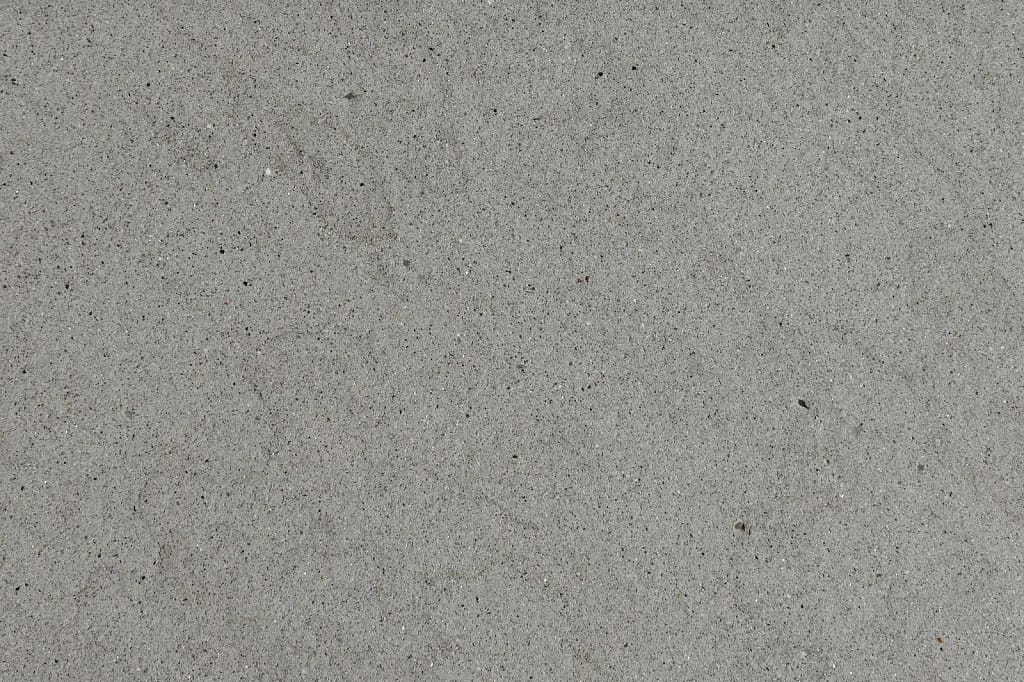
The grey pietra serena of Casone Group, a sandstone worked in Firenzuola, in the province of Florence, has an EPD environmental certification and finishes ranging from honed to bush-hammered and hand-grooved: a sober stone, suited to the floors and walls of a contemporary villa.
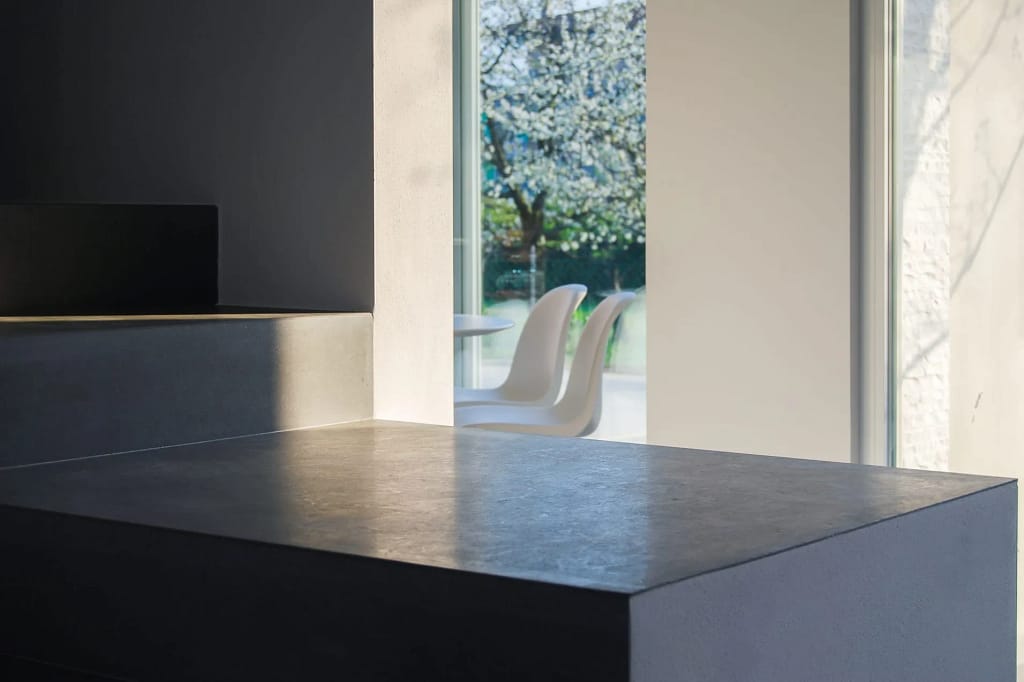
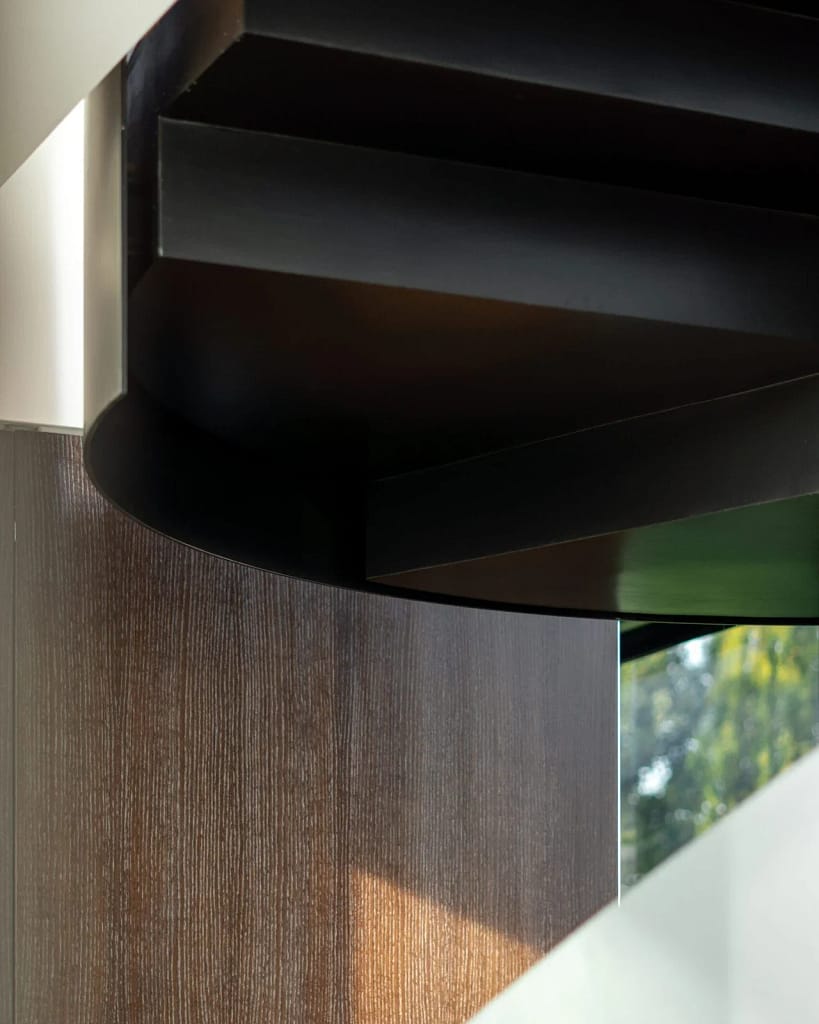
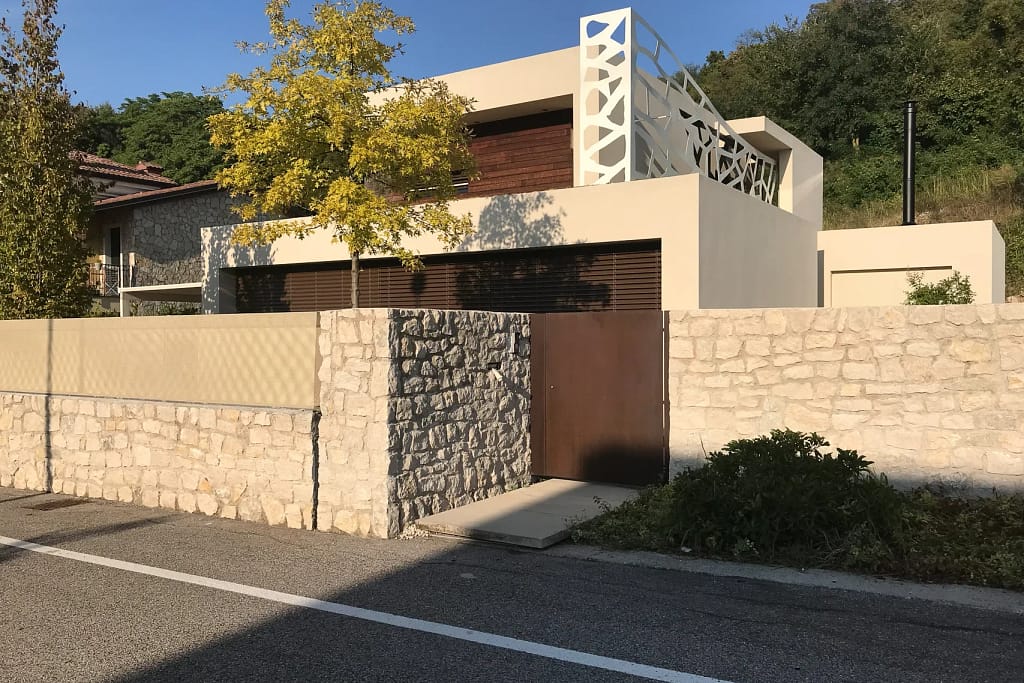
In the villa in Lonigo designed by the studio, pietra serena forms dark, compact volumes next to the glazing: a matt natural stone that changes tone with the daylight.
Wood: the villa's other material
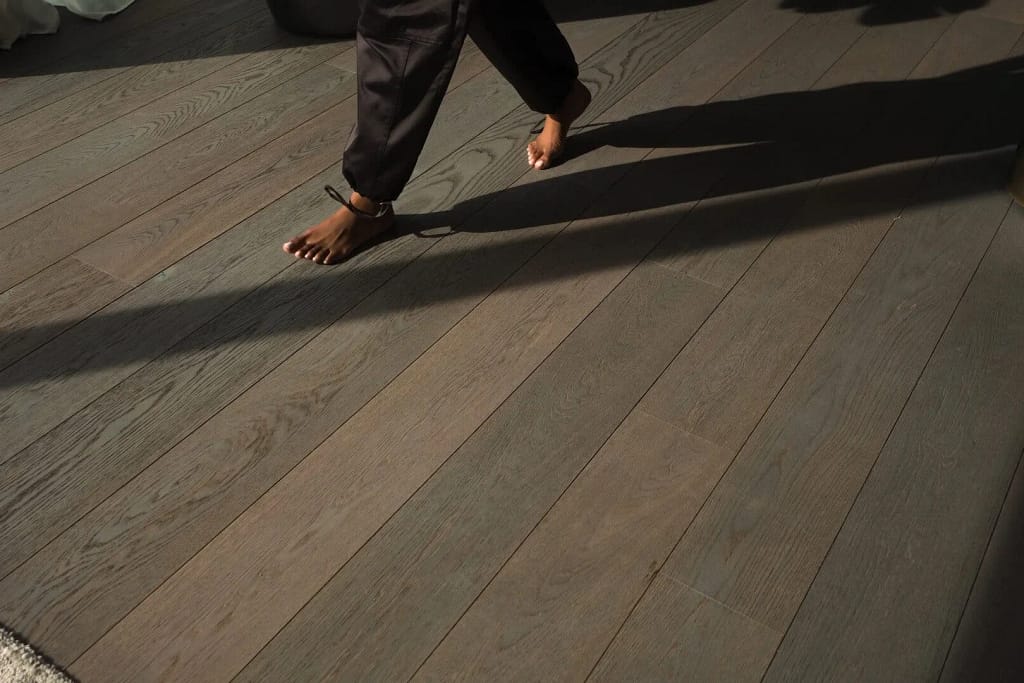
Alongside natural stone, wood brings warmth and silence. For floors we prefer wide oak boards, with natural oil finishes or matt lacquers; for panelling and bespoke furniture, species such as walnut and thermo-treated oak. Wood must be chosen together with the heating system: underfloor heating requires suitable thicknesses and bonding.
The Villa Edit

Explore our projects

Schüco glazing, Minimal Cucine and Modulnova kitchen, Poliform and Baxter furniture, Occhio lighting, MAFI wood.
Where to use natural stone in a villa
Entrance: a hard-wearing natural stone floor and a welcoming wall. Living room: a fireplace or a book-matched marble wall. Kitchen: quartzite or treated stone worktops. Bathroom: walls, carved basins, flush shower trays, as we describe on the page about the luxury bathroom. Outdoors: travertine or local stones with a slip-resistant finish, continuous with the interior floor.
Three levels: Essential, Signature, Icon
Essential: local natural stone or travertine in standard formats, oak wood. Signature: marbles and quartzites selected at the stone yard, large slabs, bespoke basins and worktops. Icon: rare natural stone, book-matched walls, inlays and pieces carved from a single block.
The natural stone companies we consider
For natural stone we work with companies that control the supply chain, from quarry to processing, and can advise on the right stone for each use. These are our references.
Antolini
Antolini, a company from Verona, selects and works natural stones from all over the world, including quartzites and rare stones for highly prestigious projects.
Salvatori
Salvatori, a Tuscan company, is known for design applied to natural stone: textured surfaces, basins and collections designed by architects and designers.
Lithos Design and Margraf
Two companies from Vicenza: Lithos Design makes three-dimensional natural stone cladding; Margraf works marble and stone for architecture.
Listone Giordano
For wood, Listone Giordano is an Italian reference in high-end wooden floors, with large-format boards.
For the interior wood of MD Home, the studio’s villa in Verona, architect Federico Cappellina chose MAFI, an Austrian maker of wooden floors: long, wide boards, natural finish, continuous installation through the corridors and bedrooms.
Independent selection: the brands mentioned are chosen for quality, performance and service. No brand pays to appear on this page and the links lead to the official websites. Prices, availability and terms should be checked with the manufacturer or with the studio during the design phase.

Natural stone and climate
Not every stone works everywhere. Outdoors, in cold areas, natural stone must resist frost: very porous stones absorb water that freezes in winter and cracks them. By the sea you need stones that do not fear salt air and slip-resistant finishes. In the tropics strong sun heats dark stones, which become scorching underfoot: light colours are better around the pool.
Before choosing a natural stone for outdoor use we ask for the technical data sheets with water absorption, frost resistance and slip resistance, and where possible we look at how it has performed in existing buildings in the same climate.
Installation, thicknesses and joints
Natural stone must be laid on a stable, dry substrate, with adhesives suited to the type of stone: some light marbles stain with the wrong adhesives. Joints are studied in the design: aligned with doors and walls, with thin joints indoors and wider ones outdoors to allow for expansion. Large slabs require experienced teams and lifting equipment.
Thickness matters: a natural stone floor of adequate thickness resists impacts better and can be re-honed several times; wall cladding can be thinner. In bathrooms the stone must be protected by waterproofing beneath it.

The Villa Edit

Natural stone and sustainability
Natural stone is a material that lasts for centuries, can be repaired and re-honed instead of replaced. Its impact depends greatly on transport: a local stone has a very different footprint from one that travels from another continent. This is why, when the project allows, we prefer Italian and Venetian stones, and ask suppliers for the exact origin of the slabs.
How to choose a stone at the stone yard
Natural stone is chosen at the stone yard, drawings in hand. You look at whole slabs in natural light, wet them to see the colour once treated, check for flaws and fillings. For important walls the slabs are photographed and a layout drawing is prepared showing which slab goes where.
You always order a small extra margin from the same batch, for cuts, waste and future repairs: another batch of the same natural stone may have a different colour. The spare slabs are kept at the villa, in the plant room or the garage.
Natural stone in the bathroom and kitchen
In the bathroom natural stone gives its best as cladding and as a carved basin; showers need slip-resistant finishes and regular limescale cleaning with neutral products. In the kitchen the worktop is the most delicate point: for keen cooks we recommend quartzites or treated stones, leaving the more delicate marbles to less exposed areas, such as the service island or the walls.
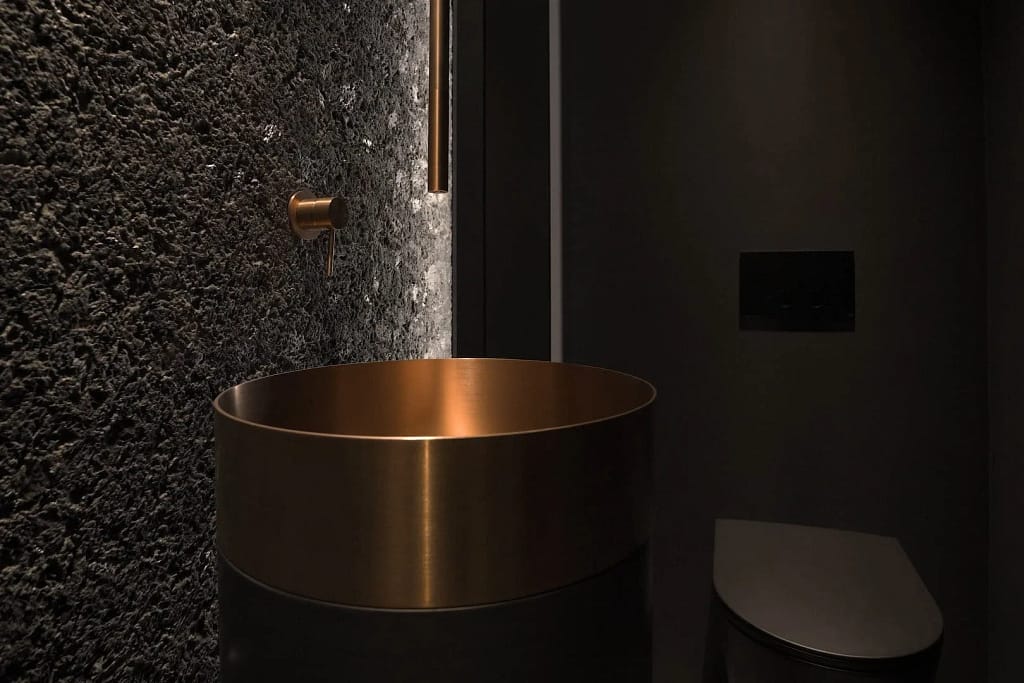
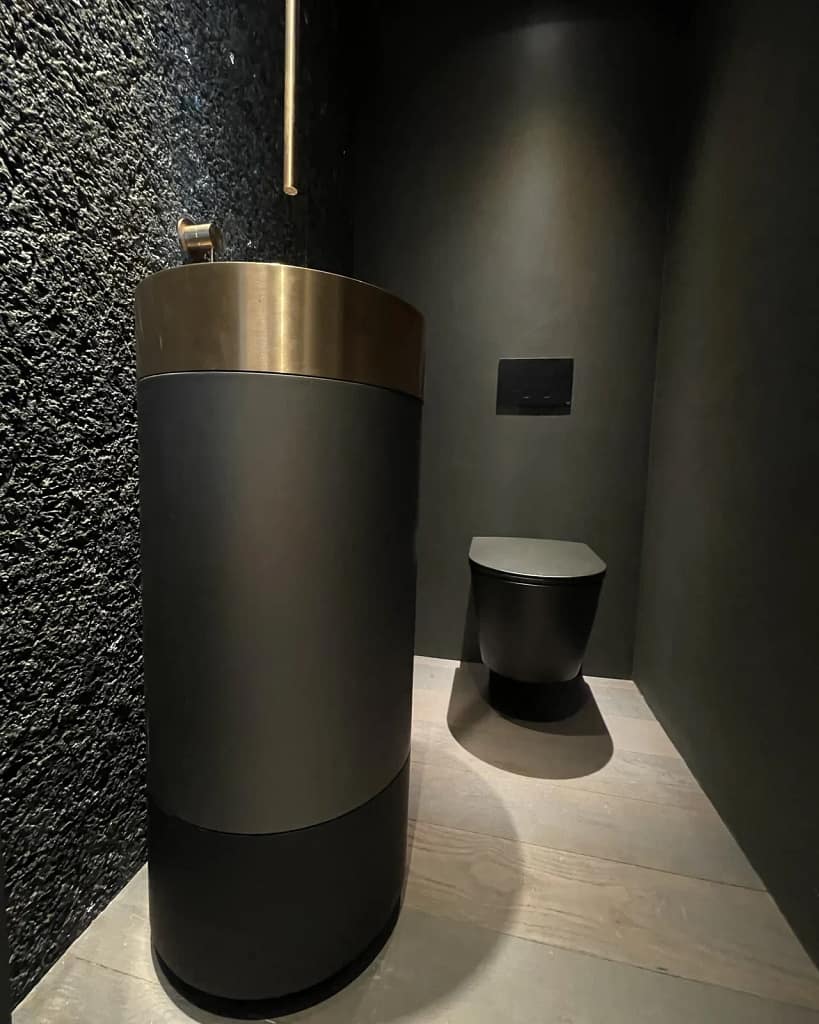
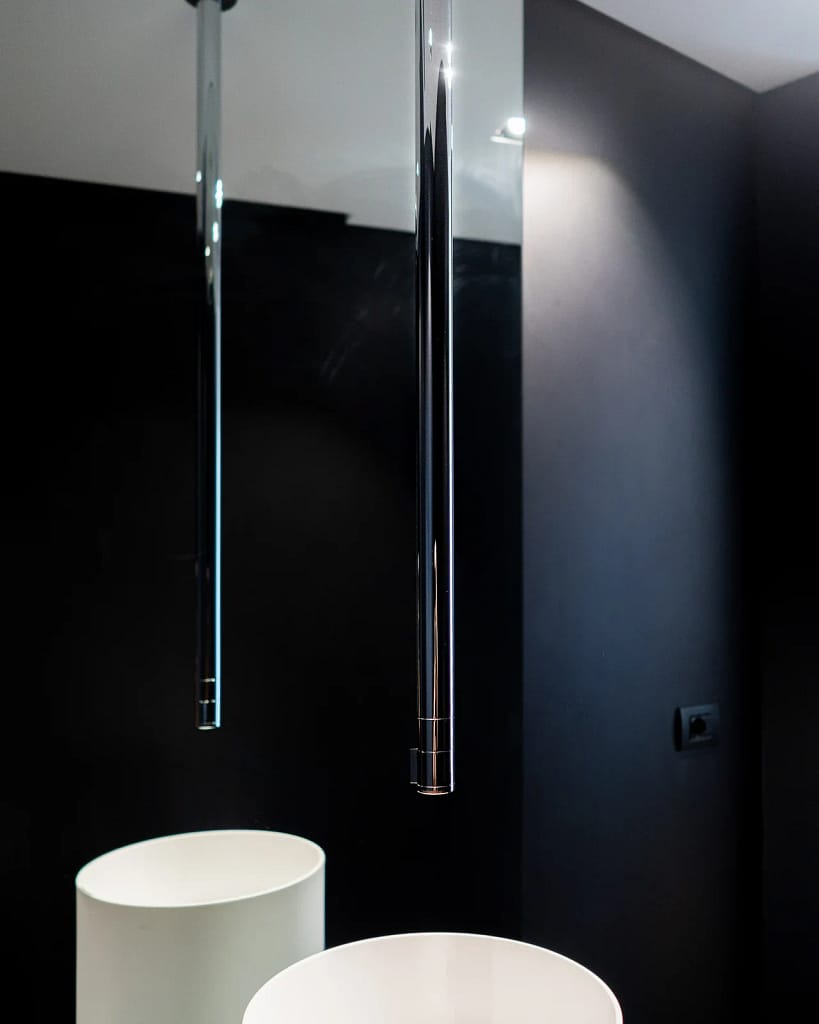
In the guest bathroom of MD Home a black stone clads the walls and forms the backdrop to the white pedestal basin: the natural stone works by contrast, and light from above brings out its surface.
The Italian stones we love
Italy has a variety of natural stone unique in the world. Carrara and Statuario marble, white with grey veining, are the most famous. Roman and Tuscan travertine bring warmth and history. Verona red marble and Vicenza stone belong to our region and to Palladio’s palaces. Luserna stone and the porphyries of Trentino are hard-wearing and suited to outdoor use.
Alongside Italian stones we use stones from all over the world when the project calls for them: Brazilian quartzites for worktops, backlit onyx for a bar counter or a wall. Every natural stone has a story; telling it to the client is part of the project.
Onyx and backlit stones
Some stones, such as onyx, are translucent: lit from behind with even light they become architectural lamps. They are scenographic choices, to be used with restraint, for a bar wall, the front of a counter or a bathroom niche. They require a lighting design and access for LED maintenance.
Natural stone and light
The same natural stone changes appearance with the light. Grazing light, skimming the surface, enhances the texture of a bush-hammered wall or a lava stone; diffused light brings out the veining of a honed marble. In the lighting design we plan slots and profiles that accompany the stone surfaces, as we describe on the page about designer lighting.
The Villa Edit

Explore our projects

Metra glazing, Viabizzuno and OTY lighting, infinity pool: designed and supervised by the studio.
Seamless surfaces and alternatives
Alongside natural stone there are seamless surfaces such as microcement, resins and lime plasters, which give floors and walls without joints. They suit those looking for a very essential aesthetic; they require expert applicators and regular maintenance. In many projects we use them together with stone: seamless surfaces in circulation areas, natural stone in the places that deserve attention.
Wood: oak, walnut and finishes
For wooden floors we prefer long, wide oak boards, laid in a running pattern, with oil finishes that can be touched up locally or more resistant matt lacquers. Walnut brings a warmer, deeper colour, suited to studies and bedroom areas. Engineered wood on a multi-layer base is stable and suitable for underfloor heating.
Panelling, flush doors and bespoke furniture can use the same species as the floor, for a continuity that brings calm to the rooms. Pairing natural stone and wood is one of the simplest ways to give a minimalist villa warmth and character.
Natural stone outdoors: terraces, stairs, pools
Outdoors, natural stone ties the villa to the landscape. For terraces and paths we use thicker slabs, laid on draining substrates or on adjustable pedestals that let water flow away. External stairs need slip-resistant treads and a clearly visible edge. Around the pool you need light-coloured stones, cool to the touch, resistant to chlorine and salt.
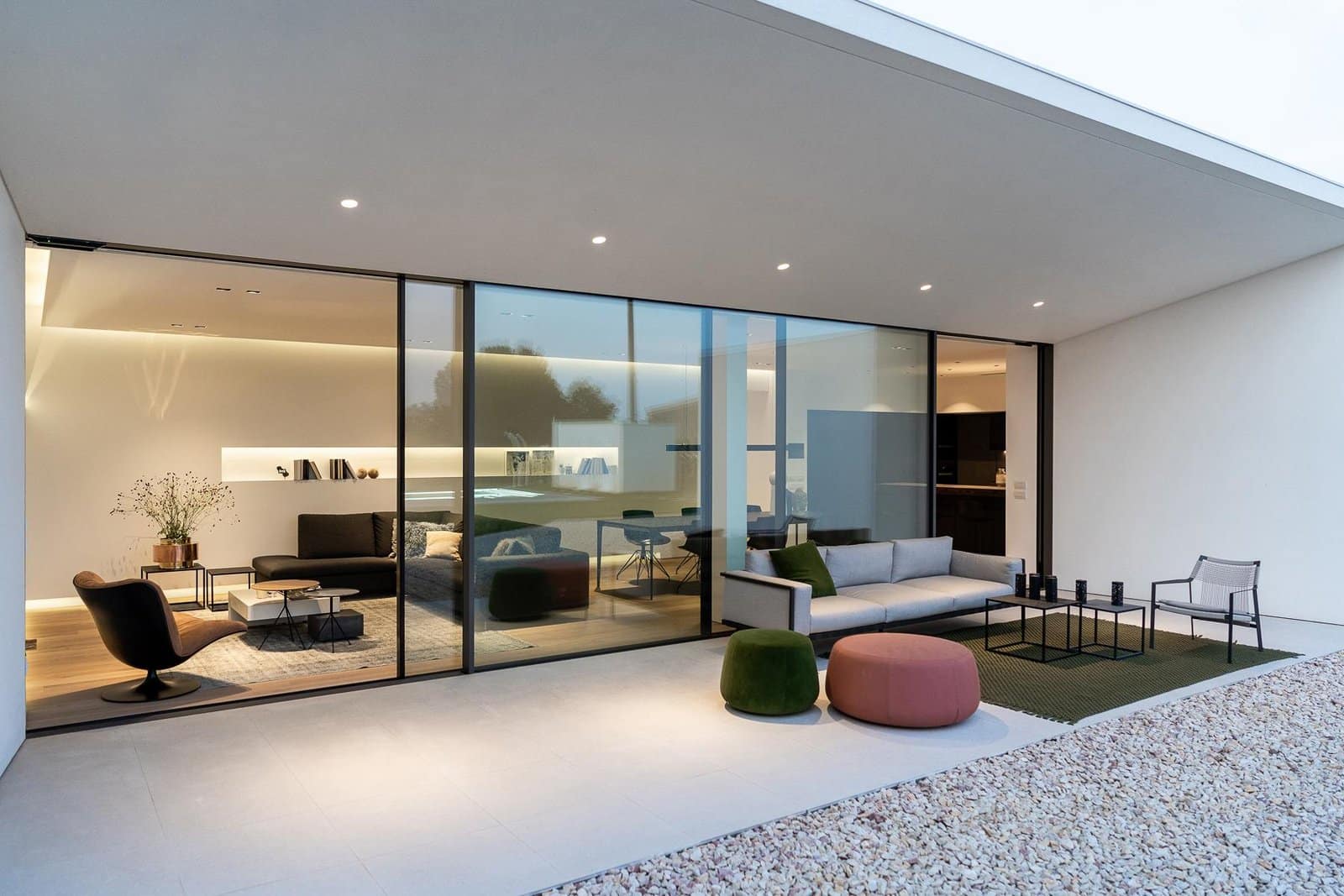
When the project calls for continuity between inside and out we use the same natural stone with two finishes: honed indoors, brushed or bush-hammered outdoors. The colour stays the same and the transition becomes invisible. Where more resistance to frost or stains is needed, large-format porcelain tiles are an alternative worth considering.
Natural stone and value over time
A well-chosen, well-laid natural stone accompanies the villa for generations. Unlike many modern materials it is not replaced when it goes out of fashion: it is re-honed, repaired and enriched with a patina. It is one of the reasons why Italy’s great historic villas are still paved with their original stones.
The Villa Edit

The Villa Edit

The most common mistakes
Choosing natural stone from a ten-centimetre sample: it must be seen as a whole slab, because veining and colour change. Using a delicate marble on the kitchen worktop without knowing its limits. Not treating the stone after installation. Forgetting slip resistance outdoors and in bathrooms. Ordering everything at once without keeping spare slabs for future repairs.

The Villa Edit

Explore our projects

Edra sofas, Varenna kitchen, Noorth and Agape bathrooms: a project by the studio.
Caring for natural stone
Natural stone must be protected with a water- and oil-repellent treatment after installation, to be repeated over time depending on use. It is cleaned with neutral detergents, never with descalers or acidic products. Honed floors can be re-honed after years and look new again: one of the great advantages of natural stone over synthetic materials.
How it fits with the rest of the house
Natural stone works with light, which enhances its veining, with porcelain tiles, which replace it where more resistance is needed, with furniture and with art objects. Surfaces are chosen for the whole house together, not room by room.
Frequently asked questions about natural stone
Marble or quartzite for the kitchen?
Quartzite resists acids and scratches better; marble is more delicate but ages with a patina that many appreciate. It depends on how the kitchen is used.
Does natural stone work with underfloor heating?
Yes: it conducts heat well. Thickness and installation should be decided with the heating system designer.
Natural stone or stone-effect porcelain?
Porcelain is more resistant and uniform; natural stone is unique and can be re-honed. We often use them together, each where it works best.
How are the slabs chosen?
At the stone yard, looking at whole slabs and numbering them for installation, especially for book-matched walls.
Choosing natural stone with the studio
The studio of Federico Cappellina accompanies the client to the stone yard to choose the slabs, draws the cuts and joints, and coordinates installation and treatments. The right natural stone is the one that stays beautiful for decades.
The Villa Edit

Planning a villa?
The studio coordinates architecture, materials, building services and furniture in a single project.
Discover the whole UHNW lifestyle
Natural stone and surfaces are the fourth of the twelve systems of The Villa Edit.