
ELRE
Art and design objects for the villa
A villa should not look as if it came out of a catalogue: it should belong to a person. How to choose, place and light art and design objects.
Design objects and art: the soul of the villa
Design objects and works of art are what make a villa different from all others. Architecture, materials and furniture can be beautiful, but it is a sculpture, a glass vase, a photograph, a book open on a table that say who lives in the house. This is why in our method art and objects do not come at the end: they are considered together with the architecture.
In this guide we explain how we integrate art and design objects into our projects: walls and niches designed for the works, light, conservation, security, and a selection of Italian manufacturers we consider.
Designing the house around the collection
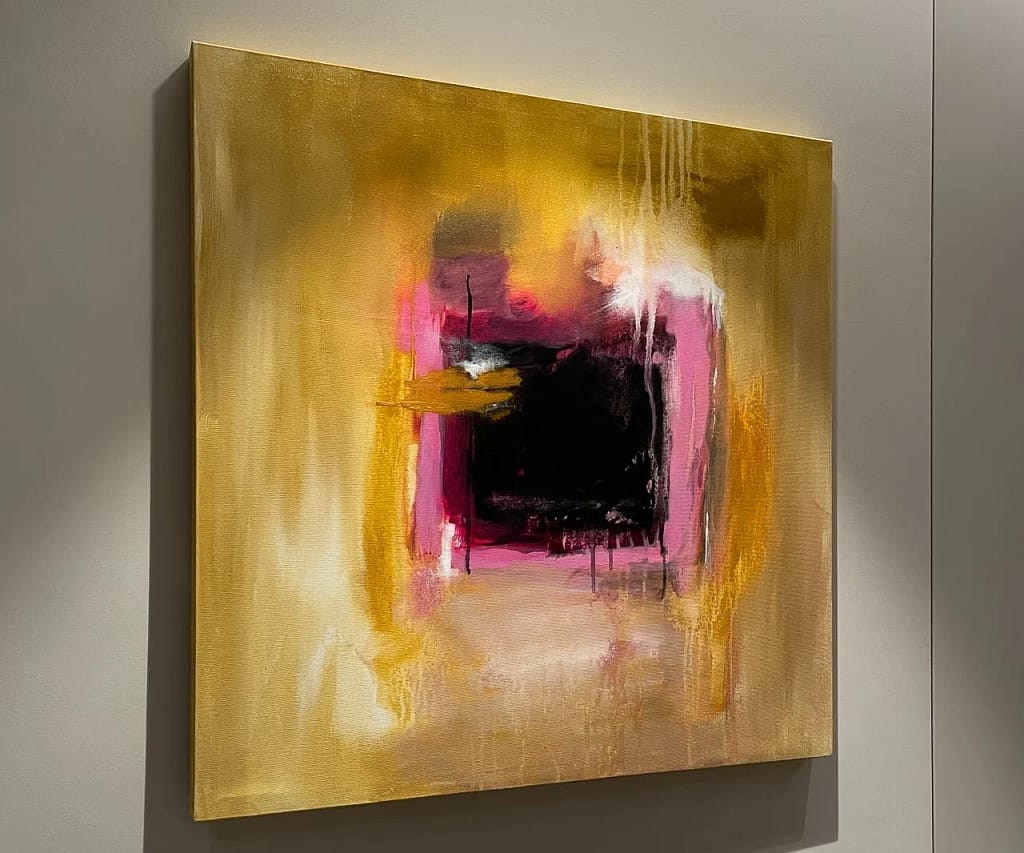
Anyone who owns a collection should say so at the start of the design. A large painting needs a free wall of precise dimensions and a viewing distance; a sculpture needs space around it and light from above; a collection of photographs needs walls protected from direct sun. Walls, niches and plinths are drawn together with the volumes of the house.
Even those who do not yet have a collection can prepare: walls structurally suited to hanging heavy works, lighting tracks, illuminated niches, stone surfaces ready to hold design objects. The house grows with the person and with what will become important in their life.
Light for art
Light is decisive for works of art. You need light with high colour rendering, free of ultraviolet, adjustable, with optics that light the work without reflections on the glass. The walls holding works are kept away from direct sun, which fades paper, photographs and textiles. We cover this on the page about designer lighting.
Explore The Villa Edit
The Villa Edit
The method and the 12 systems
Structure and passive house
Building system and Passivhaus
Windows and glazing
Windows, sliding doors, doors
Energy, air and water
Heat pump, ventilation, solar
Natural stone
Marble, travertine, wood
Porcelain tiles
Large slabs inside and out
Lighting
Designing the light
Luxury kitchens
Kitchen, appliances, compost
Bathroom, spa and wellness
Master bathroom, sauna, recovery
Furniture
Living, bedrooms, walk-in closets
Pools and gardens
Outdoor, landscape, robots
Home automation and security
One system for the whole house
Art and objects
Collections and signature pieces
Private Service
Private Consultation
Would you like to design the house around your collection?
Contact usItalian design objects
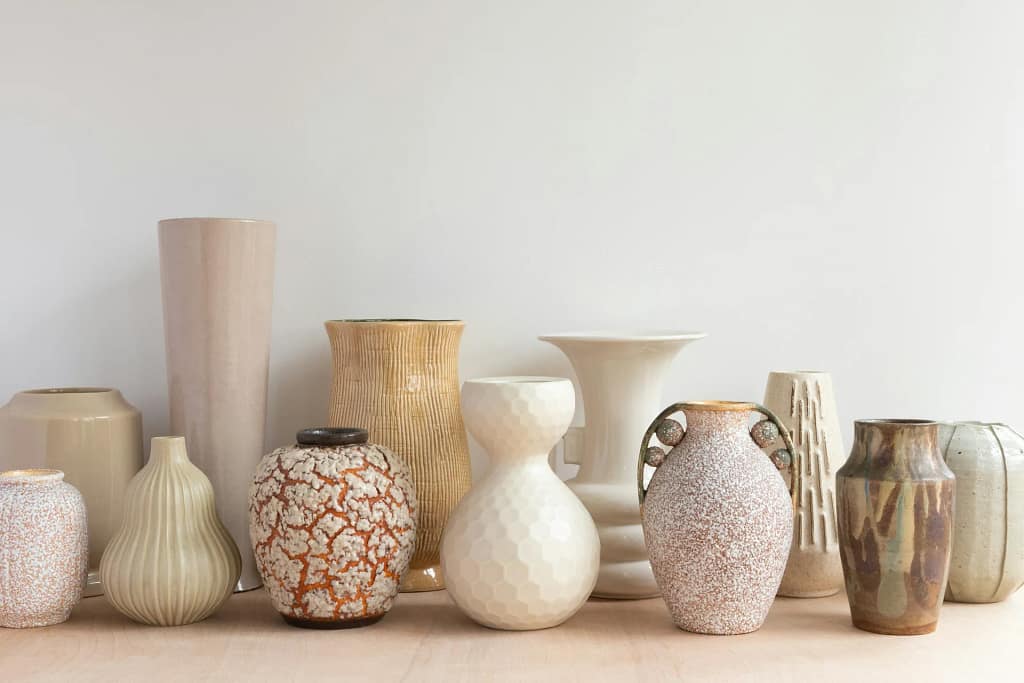
Italy has a unique tradition of design objects and applied arts: Murano glass, Tuscan and Umbrian ceramics, worked metals, carved marble. A handmade design object brings a time and a place into the villa, and it is a way of binding the house to the culture of our region.
Murano glass
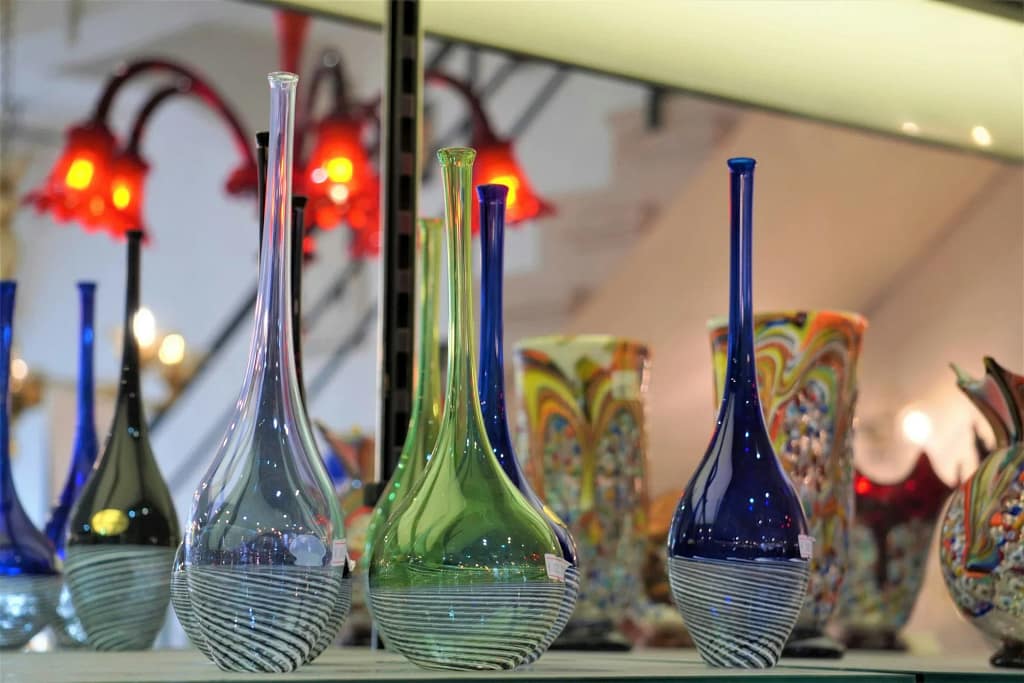
Murano glass is one of Italy’s oldest applied arts. Manufacturers such as Venini, founded in 1921, and Barovier&Toso, one of the oldest Venetian glassmaking dynasties, produce chandeliers, vases and signature pieces that become design objects and works of art at the same time.
Ceramics
Bitossi Ceramiche, from Montelupo Fiorentino, works ceramics with designers and artists, bringing objects with recognisable colours and forms into the home.
Signature metals
De Castelli, a Venetian company, works metals such as brass, copper and corten steel into furniture and design objects with oxidised, textured surfaces, also suitable as architectural elements.
Where to place art and objects
Entrance: a work that welcomes, the first sign of who lives in the house. Living room: the main wall and the coffee tables, with a few chosen design objects. Staircase: in many villas the staircase is itself a sculpture, like the black steel or stone stairs in the studio’s projects. Study and library: books, photographs, personal objects. Garden: outdoor sculptures, chosen to withstand the weather.
Less, but better
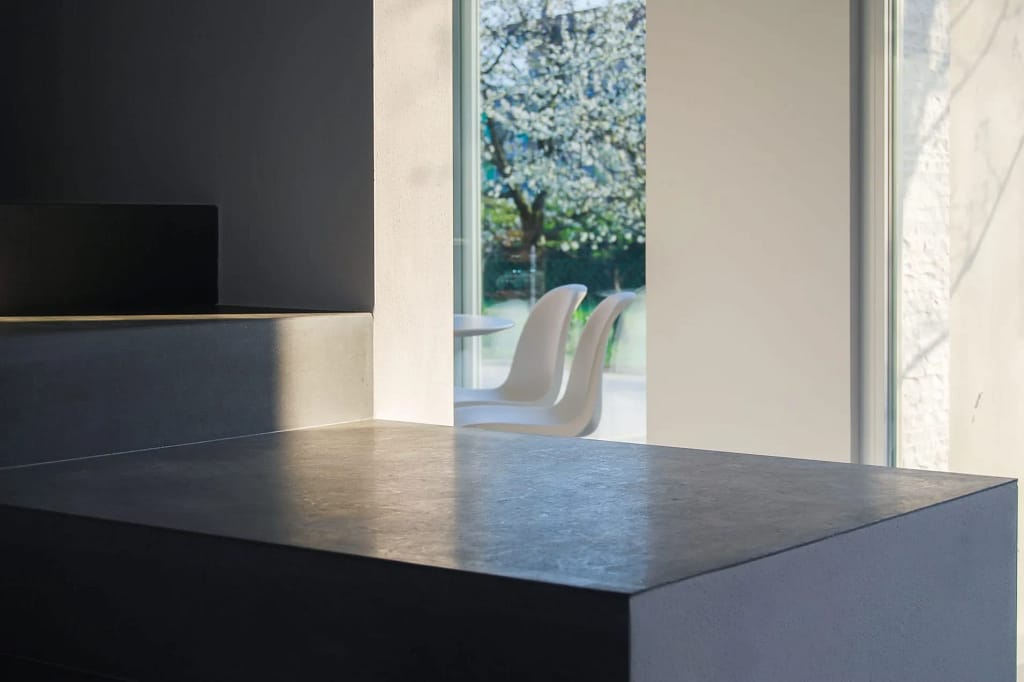
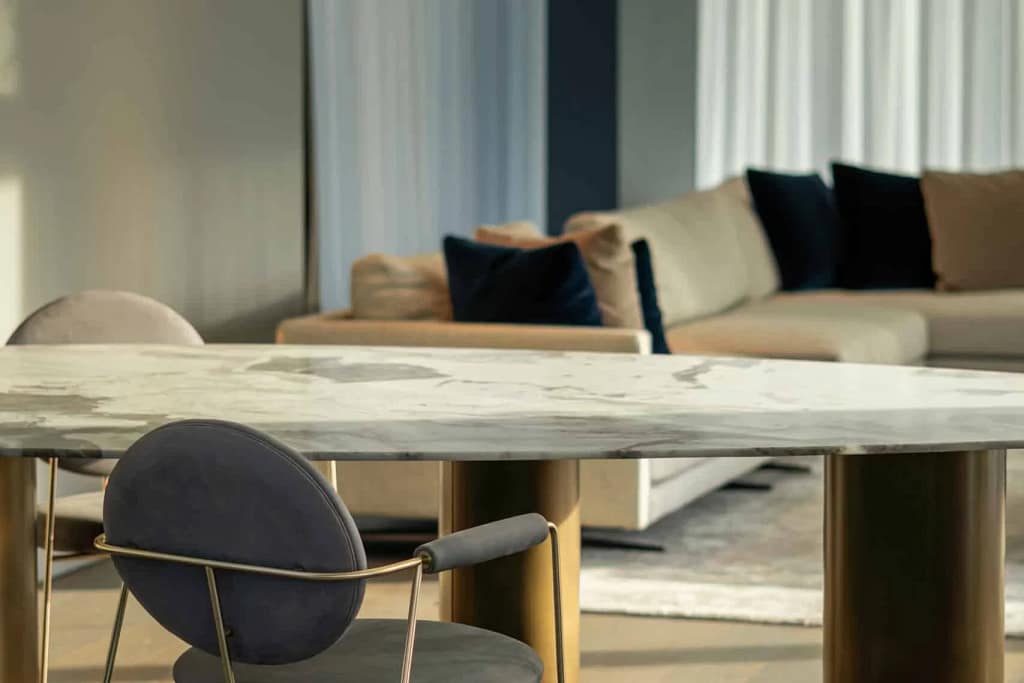
In minimalist architecture design objects have more strength when there are few of them. A shelf full of ornaments dims a work; a single vase on a stone surface lights it up. We work with the client to choose the pieces to display and those to store, perhaps in rotation, as in a small private museum.
Conservation and security
Works of art need stable conditions: temperature and humidity without swings, no direct sun, clean air. A villa designed with a good envelope and mechanical ventilation already offers better conditions than a traditional house. For valuable works dedicated sensors, secure hanging systems and specific insurance cover are added.
The security of the works is part of the home automation and security design: sensors, cameras, access. For the most important pieces a protected room can be planned for safekeeping, together with jewellery and watches, as we describe in the guide Time & Jewels.
The Villa Edit

Explore our projects

Edra sofas, Varenna kitchen, Noorth and Agape bathrooms: a project by the studio.
Art and architecture: working with artists
Some of the most beautiful projects come from collaboration with an artist: a work conceived for a specific wall, an intervention in the landscape, a designed floor, a signature window. These are interventions that bind the work to the house forever and must be planned early, with clear timing and costs.
Documenting the collection
Every work and every important design object must be documented: author, provenance, certificates, dimensions, conservation conditions, insured value, location. This documentation goes into the villa’s file and simplifies insurance, loans, moves and changes of ownership.
The studio's standard
Walls and niches designed for works and design objects from the outset; structures suited to hanging heavy pieces; dedicated light without ultraviolet; protection from direct sun; stable climatic conditions; security integrated with the home automation; documentation of the collection in the villa’s file.

The Villa Edit

Three levels: Essential, Signature, Icon
Essential: a few chosen design objects, free walls and accent light. Signature: a selection of Italian manufacturers, illuminated niches, tracks for works. Icon: commissioned works conceived for the house, collaborations with artists, a protected room for the collection.
Independent selection: the brands mentioned are chosen for quality, performance and service. No brand pays to appear on this page and the links lead to the official websites. Prices, availability and terms should be checked with the manufacturer or with the studio during the design phase.
Everyday design objects
Not all design objects sit on a shelf. Hand-blown glasses, cutlery, ceramic plates, linen sheets, a bronze candle holder: these are objects used every day that make life in the house more beautiful. Choosing them carefully is worth as much as choosing a sofa or a lamp.
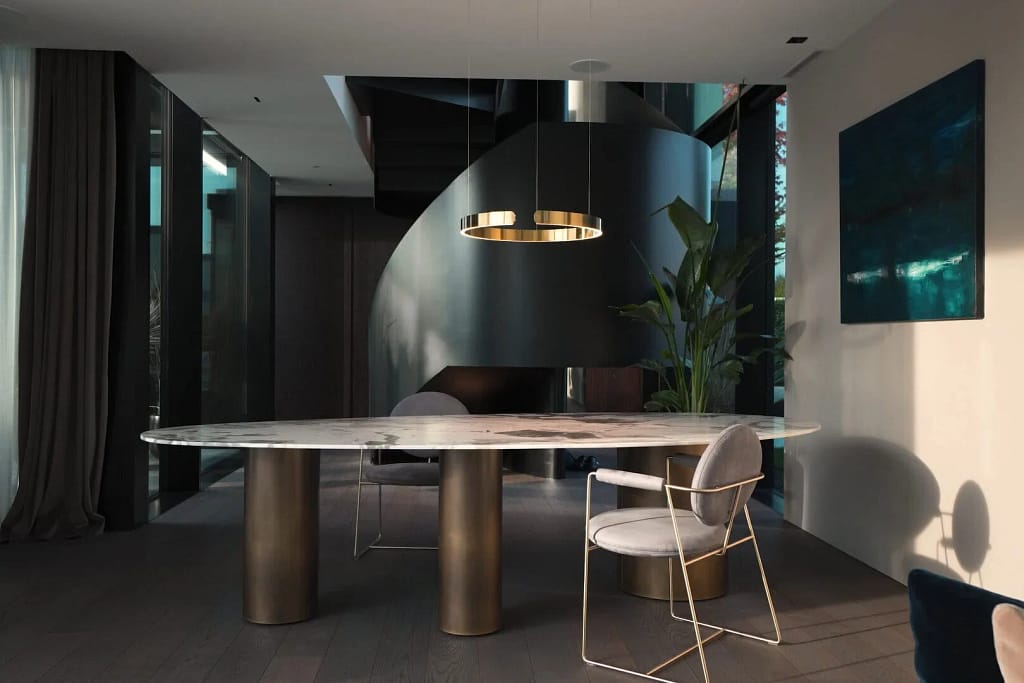
In the kitchen and dining room, everyday design objects become part of the guests’ experience. A table laid with handmade objects tells the story of the house better than any decoration.
The Villa Edit

Books and the library
A library is a collection and a piece of furniture at the same time. Bespoke bookcases reaching the ceiling, with a sliding ladder; horizontal shelves for large-format art books; niches for design objects among the volumes. An armchair and a reading light turn a corner into a place. Books also improve the acoustics of the rooms.
Art outdoors
The garden can host sculptures and installations chosen to withstand the weather: bronze, corten steel, stone, glazed ceramic. Their position is decided with the landscape design, considering the views from the house, daylight and night light. An outdoor work changes with the seasons and becomes part of the villa’s landscape, as we describe on the page about pools and gardens.
Design objects and collecting
Some design objects become collector’s pieces: limited editions, prototypes, historic pieces of Italian design. Those who collect watches, jewellery, wine or cars need dedicated spaces, with suitable light, climate and security. We cover this in the guides Time & Jewels and Fine Wine & Cellars.
Explore our projects

Schüco glazing, Minimal Cucine and Modulnova kitchen, Poliform and Baxter furniture, Occhio lighting, MAFI wood.
Choosing: affection, quality, measure
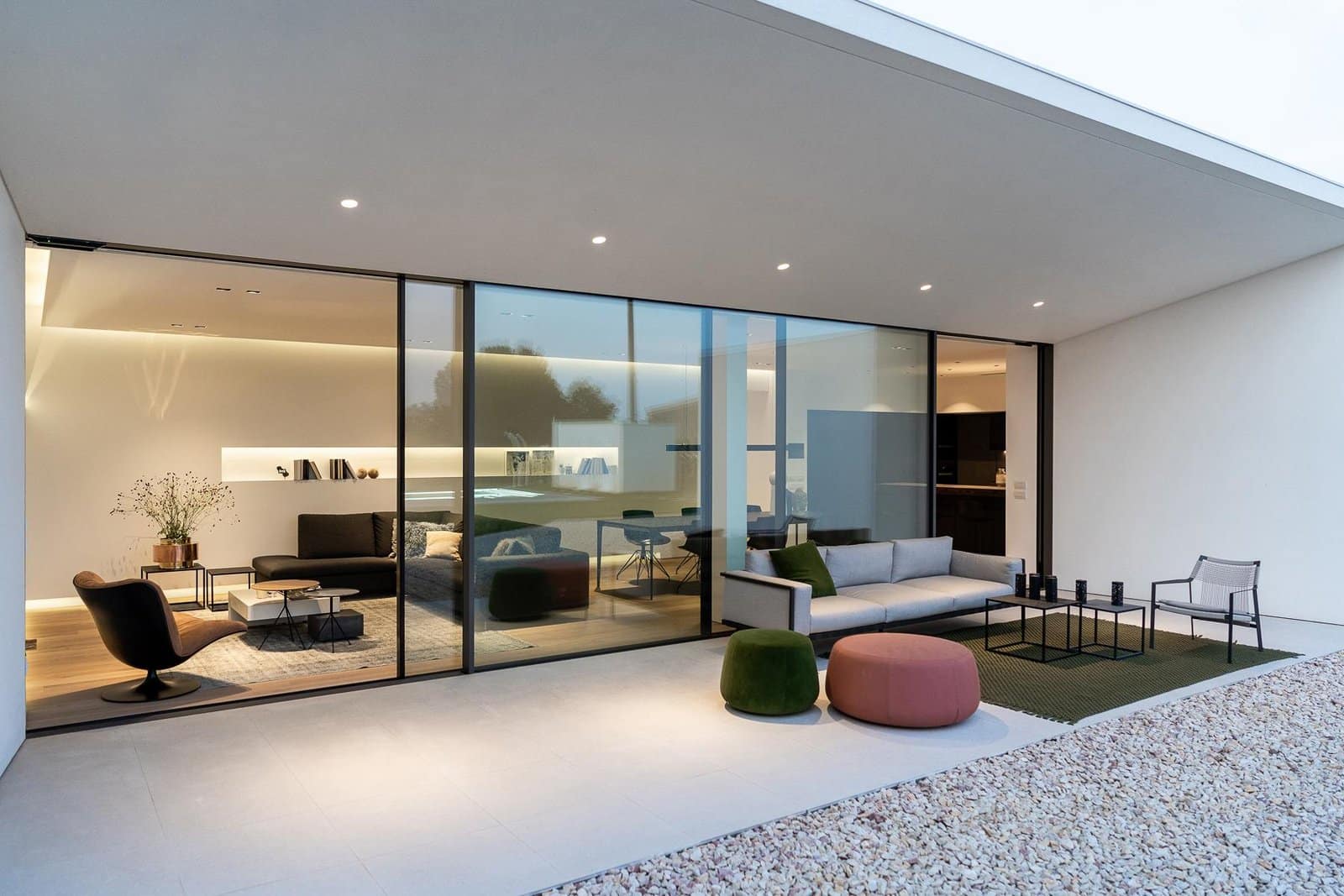
Three criteria guide the choice of art and design objects. Affection: an object must mean something to its owner. Quality: materials, craftsmanship, author. Measure: the right proportions in relation to the space and the other objects. An art adviser can help with the most important works; for design objects a good eye and the patience to wait for the right piece are often enough.
Objects in the studio's projects
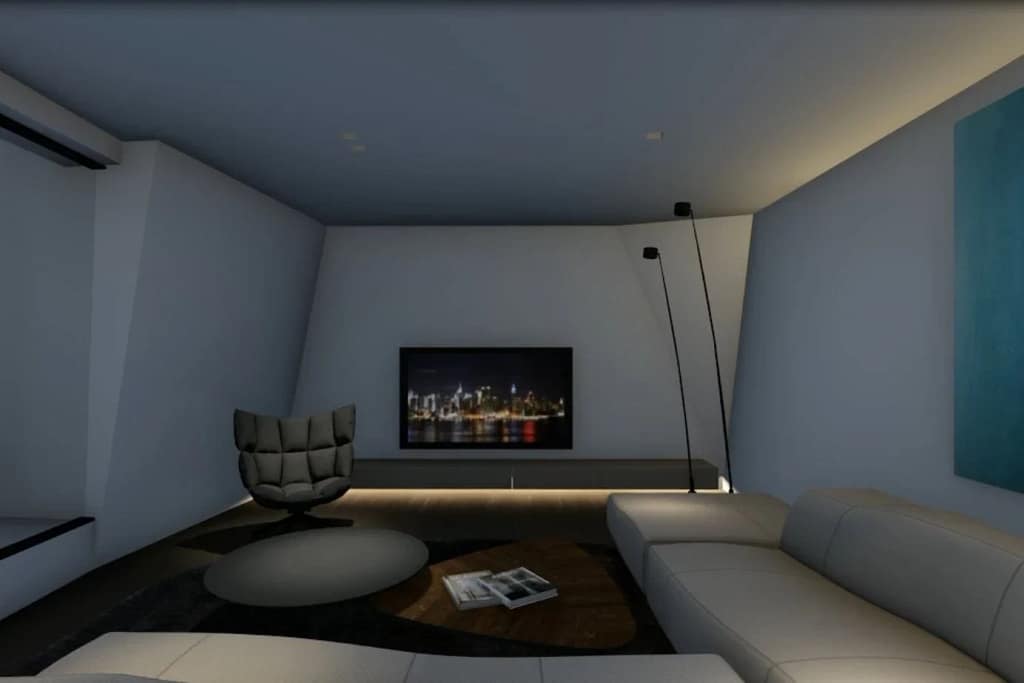
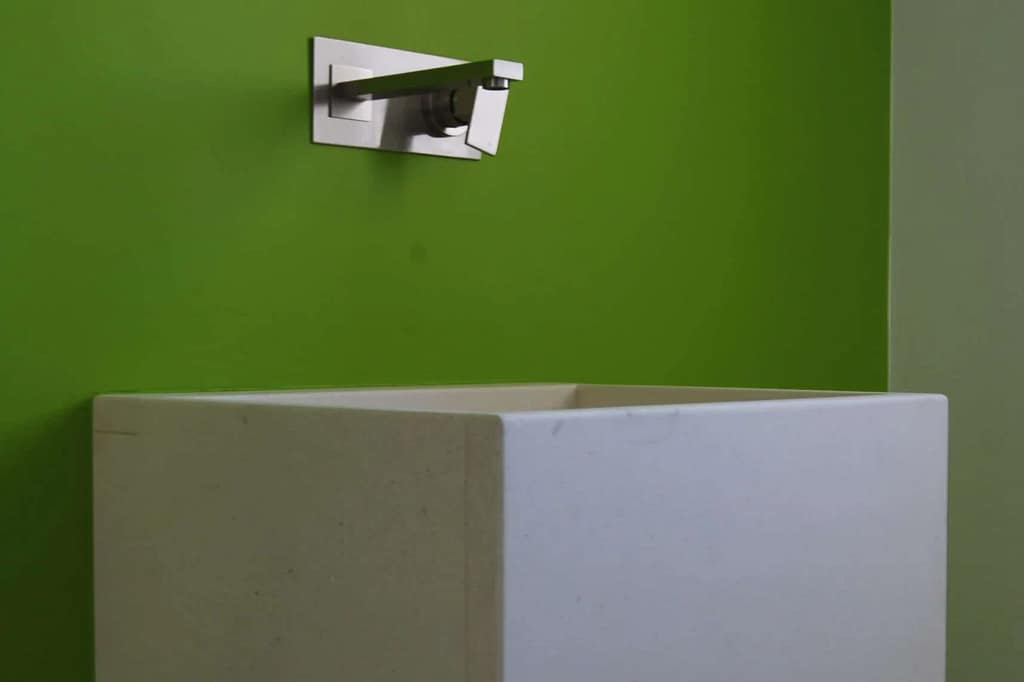
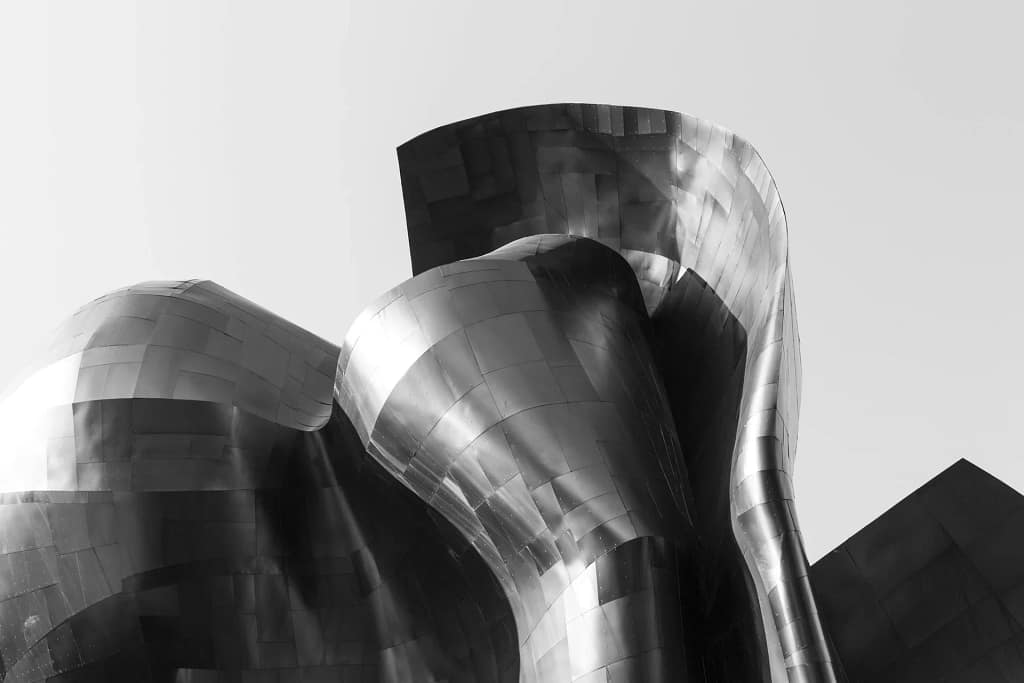
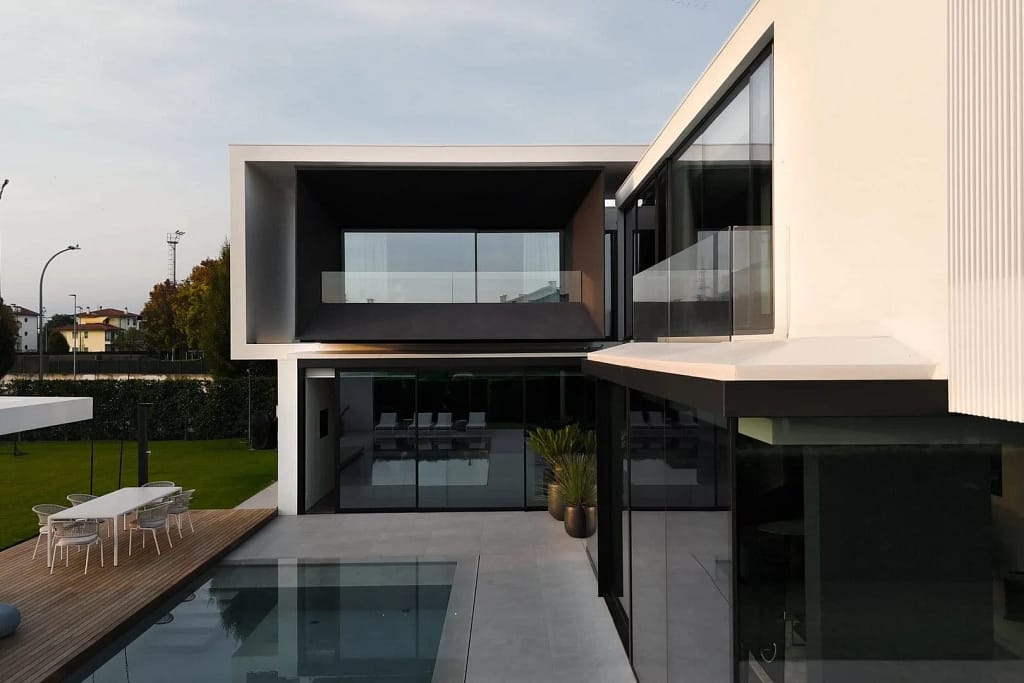
In the studio’s projects some architectural elements become objects: a black steel spiral staircase that reads as a sculpture, a stone staircase that seems suspended, a copper basin on a lava stone wall. They are pieces designed for a precise place, which bind the architecture to the design objects that inhabit it. The images on this page come from these projects.
Rotation and care
Those who own many objects can display them in rotation, as museums do: a tidy, well-climatised store keeps the pieces not on display, which return to the house with the seasons. Each design object needs its own care: glass is dusted with soft cloths, metal is protected from humidity, ceramics fear knocks. Caring for objects is part of the villa’s maintenance.
The Villa Edit

Design objects for every room
Entrance: a console with an important design object and empty space around it. Living room: a Murano glass vase on a stone coffee table, a sculpture near the glazing, art books. Dining: a ceramic centrepiece, a signature chandelier. Bedroom: a few personal objects, a photograph, a fine textile. Bathroom: an object in stone or metal, a plant, a room fragrance in a beautiful container.
Where to find design objects
Design objects can be found in galleries, artisan workshops, furniture and art fairs, auctions, museum shops and directly from the manufacturers. The Salone del Mobile in Milan and art fairs are opportunities to discover new makers. For valuable works it is best to rely on recognised galleries and always ask for certificates of authenticity.
The house that changes with the person
A well-designed villa is not closed on the day of handover. Art and design objects arrive over time, with travels and encounters. This is why we plan free walls, lighting tracks, empty niches and storage spaces: the house stays open to what will become important. It is the simplest way to avoid a villa that looks as if it came out of a catalogue.
Art, objects and natural light
Natural light is the most beautiful for viewing a work, but also the most dangerous: direct sun fades paper, photographs, textiles and some woods. In rooms with large glazing we place the most delicate works on walls that are not exposed, use glass that filters ultraviolet and light curtains that diffuse the light. Design objects in glass, stone and metal, on the other hand, can sit near the windows and play with the reflections of the sun.
The Villa Edit

Explore our projects

Metra glazing, Viabizzuno and OTY lighting, infinity pool: designed and supervised by the studio.
Design objects and minimalist architecture
In minimalist architecture empty space is a material. Design objects need air around them to be seen: a free wall, a clear surface, an illuminated niche. This is why we work by subtraction, choosing a few pieces and giving each its place.
The result is a calm house, in which every design object has a meaning. Guests notice them, the people who live there enjoy them every day, and the villa gains a character no catalogue can give.
Art and objects in holiday homes
In second homes by the sea or in the mountains, design objects must withstand humidity, salt and long periods of closure. Ceramics, stones, treated metals and protected photographs are better; the most delicate works stay in the main residence. An up-to-date inventory helps you always know where each piece is.
Choosing art and design objects is slow, personal work. There is no need to fill the house at once: it is better to leave space and add one piece at a time, when you come across it. A villa that grows with the people who live in it stays alive for many years.
The Villa Edit

The Villa Edit

The most common mistakes
Filling the house with objects without making a choice. Hanging works on walls exposed to direct sun. Lighting a painting with a light that creates reflections. Forgetting to reinforce walls for heavy works. Not documenting the collection. Choosing objects for fashion rather than affection.
The Villa Edit

The Villa Edit

How it fits with the rest of the house
Art and design objects work with stone and wood, with the furniture, with light and with the garden. They are the last system of the house and the one that makes it unique.
Frequently asked questions about art and design objects
When should you think about works of art?
At the start of the design: walls, structures and light depend on the works that will be displayed.
How do you light a painting?
With high colour rendering light, free of ultraviolet, aimed to avoid reflections on the glass and with no direct sun on the wall.
Design objects or works of art?
Both: works of art tell the story of the person, design objects bring the quality of the applied arts into the house.
How do you protect a collection?
With stable climatic conditions, security integrated into the home automation, complete documentation and specific insurance cover.
Do design objects increase the value of the house?
Objects and works are assets in their own right, which you take with you; what stays with the house are the spaces, light and structures designed to host them, which make it more versatile and interesting.
Designing the house around the collection with the studio
The studio of Federico Cappellina designs walls, light and spaces to host art and design objects, so that the villa truly belongs to the people who live in it.
Planning a villa?
The studio coordinates architecture, materials, building services and furniture in a single project.
Discover the UHNW Lifestyle
Art and objects are the twelfth of the twelve systems of The Villa Edit: the one that makes the house unique.