
ELRE
Buy property in the Dominican Republic: 12 questions before you sign
Before you buy property in the Dominican Republic: title, permits, taxes, off-plan deposits, hurricanes. The questions we ask for every property, with the source whenever there is a number.
How to buy property in the Dominican Republic: questions first, signature later
Anyone who wants to buy property in the Dominican Republic usually arrives with a holiday behind them and a listing in front of them. The photographs of Cap Cana, Punta Cana or Las Terrenas are convincing; the questions that matter are different, and they are worth asking before paying a deposit.
We have gathered the twelve we ask for every property, with the source whenever there is a number. The full picture of the market is on the Dominican Republic page, the quick answers in the FAQ.
The 12 questions to ask before you buy property in the Dominican Republic
1. Who really owns it?
The property title must be checked at the Registro de Títulos by a Dominican lawyer who is independent of the seller, before any payment. The name on the title must match the person signing.
2. Is the title free of mortgages and liens?
Ask the lawyer for an up-to-date certificate from the registry: mortgages, easements, disputes. A beautiful property with an uncertain title is not a bargain.
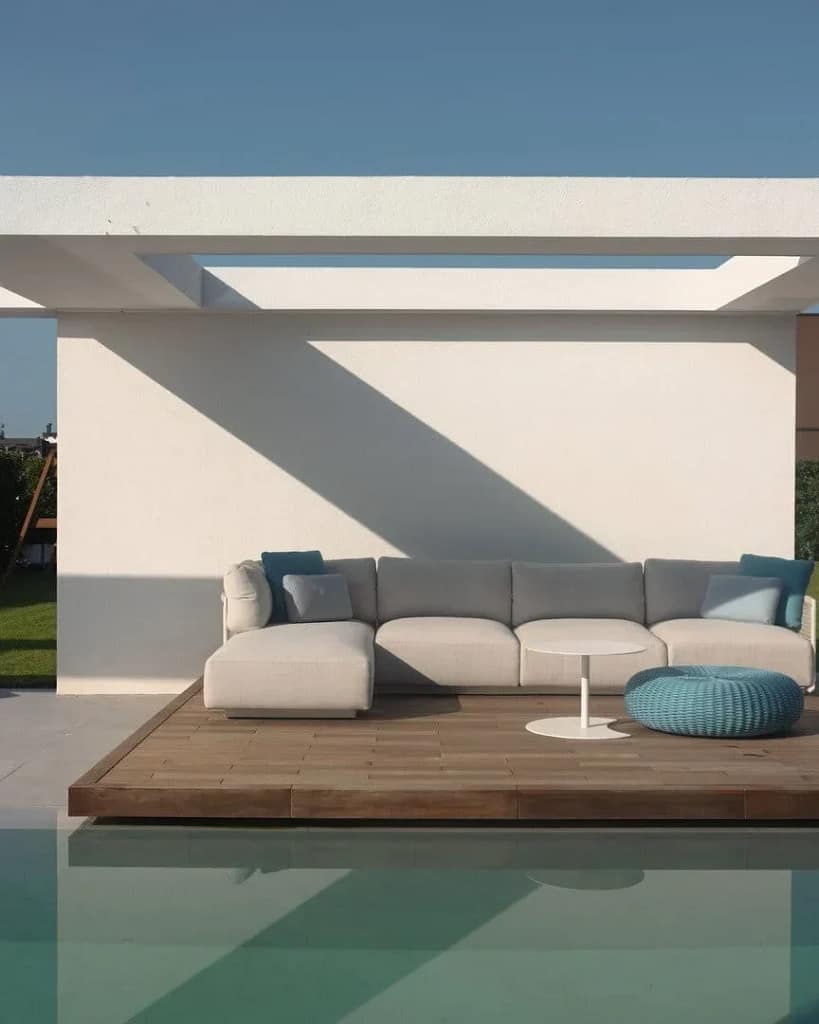
Dominican Republic
Areas, data and sources
Dominican Republic FAQ
16 answers with sources
Preliminary reading
Understand a villa before buying it
New developments
Buying off-plan
Articles
By sector
Contact
Write to us
Private Service
Private Consultation
Have you already found a property in the Dominican Republic?
Contact us3. Does the project have its permits?
For a new development, ask for copies of the authorisations issued by the competent authorities and check that what you are being sold matches what was authorised: areas, floors, intended use.
4. Does the project fall under CONFOTUR?
Law 158-01 provides incentives for approved tourism projects, with exemptions of up to 15 years tied to the individual project. They are not automatic: ask for the approval document and exactly what it covers.
5. What taxes will I pay?
Capital gains tax is 10% under Law 30-26 (art. 14); for non-residents it should be confirmed with a local tax adviser. Transfer tax and the annual property tax depend on the value and on the project’s regime: have them calculated in writing before you sign.
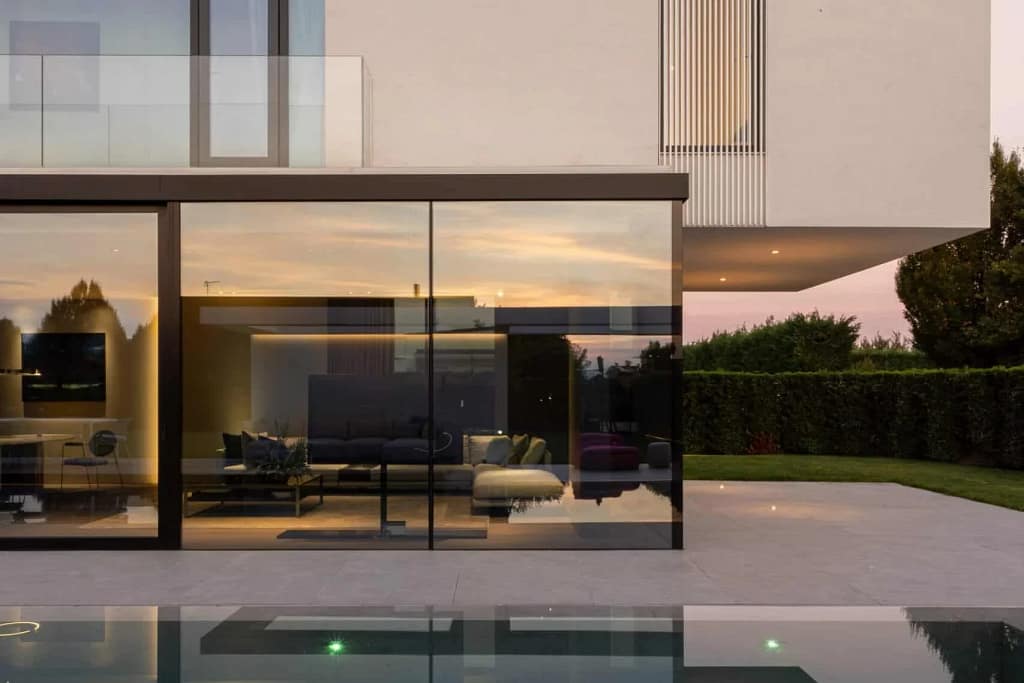
Invest
Luxury real estate Dominican Republic — beachfront villas, branded residences and investments at…
6. Where do off-plan deposits go?
When you buy off-plan you pay as construction progresses. Ask in writing where the payments go, what guarantees exist, which penalties apply if there are delays and what happens if the project is not completed.
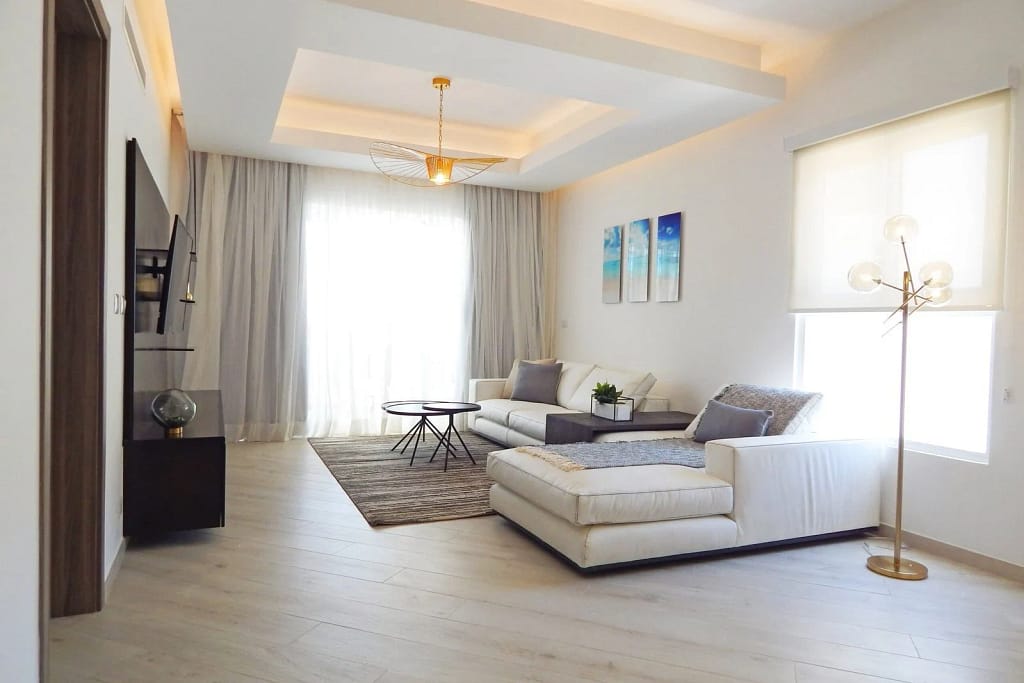

Invest
Dominican Republic real estate FAQ: buying as a foreigner, title, taxes, CONFOTUR, sourced yields…
7. In which currency, and how, do I pay?
Many projects aimed at international buyers are priced in US dollars. Currency, payment schedule and destination accounts should be fixed in the preliminary contract.
8. What does it cost to keep the home?
Condominium fees, management, insurance, maintenance in a tropical climate: ask for the real annual costs of homes the same developer has already delivered, not the brochure estimates.
9. Is the stated yield gross or net?
Global Property Guide reports a gross yield of around 8% in Punta Cana (Q1 2026). It is gross: the net depends on management, occupancy, maintenance and taxes, and nobody can guarantee it. Be wary of anyone promising figures without a source.
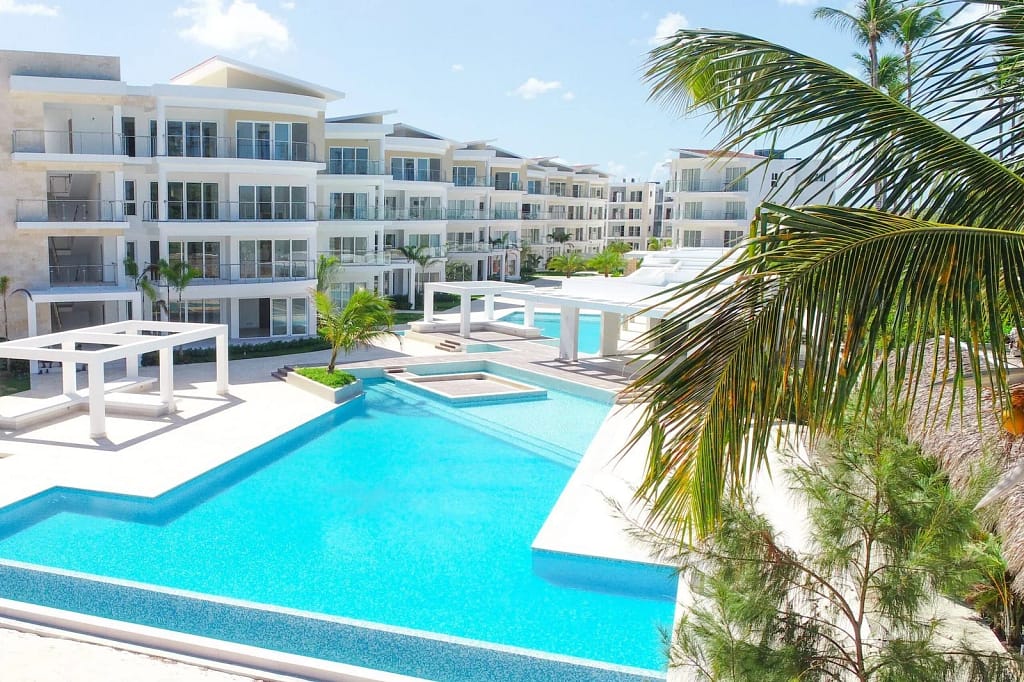
Invest
Before buying a luxury villa in Italy, the Dominican Republic, Zanzibar or Dubai: send us the…
10. Is the home built for hurricanes?
The Atlantic hurricane season runs from 1 June to 30 November (NOAA). Structure, windows, roofs and systems must be checked for wind and water: it is one of the things a photograph does not show.
11. What is around it, today and tomorrow?
Access, services, water and power, nearby construction, plans for the area: the view you buy today can change. Ask what is planned on the neighbouring plots.
12. Who represents whom?
The broker handles the sale; ask in writing who pays their commission. For the properties presented on this site, the Real Estate team declares any commercial relationship before any analysis.

Invest
Elite Luxury Real Estate is a premier luxury real estate agency specializing in exclusive…
Where people buy: different places, different questions
The twelve questions apply everywhere, but the weight of each one changes with the place. Those who buy property in the Dominican Republic usually choose between four areas, described with their data on the market page.
Cap Cana, Punta Cana and Bávaro
The east coast, served by Punta Cana international airport, is the country’s most touristic area. Questions 8 and 9, on management and costs, matter most here: many residences are designed for rental, and the quality of management counts as much as that of the building.
Las Terrenas and Samaná
On the north coast the market is made of villas and small complexes surrounded by nature. Access, water and power, and projects on nearby plots (question 11) matter: an open view today may not be open tomorrow.
Santo Domingo and Juan Dolio
The capital and the nearby south coast serve mainly people who live or work in the country. Many projects are sold off-plan, so the questions on permits and deposits (3 and 6) become decisive.
Invest
Contact Elite Luxury Real Estate for exclusive properties and international investments in Italy…
Buy property in the Dominican Republic off-plan or finished?
There are two ways to buy property in the Dominican Republic. Buying off-plan lets you choose the unit and the floor, but you pay as works progress and judge drawings and renders instead of a home that exists. Buying a finished home lets you see the structure, the finishes and real maintenance, and talk to the people who live there.
In both cases the sequence is the same: first the checks on title and permits, then the preliminary contract with payment schedule and penalties, finally the deed and the registration of the title at the Registro de Títulos. Those buying from abroad can delegate the checks, but signatures should come only after reading them.
What it costs to buy property in the Dominican Republic beyond the price
The listing price is only part of the outlay. Before you sign to buy property in the Dominican Republic, ask in writing for the full list of costs:
- A local lawyer, independent of the seller, for the checks and the deed.
- Taxes and registration: transfer tax, title registration fees, any CONFOTUR exemptions of the project; they must be calculated on the actual case.
- Annual costs: condominium, management, insurance, annual property tax where due.
- Maintenance in a tropical climate: salt, humidity and sun wear windows, systems and finishes faster.
- Furnishing and set-up if the home will be rented: furniture, equipment, photographs, first cleaning.
- Travel and time for visits, signatures and handover.
The most common mistakes when you buy property in the Dominican Republic
- Trusting photographs alone: renders show an atmosphere, not the construction.
- Using the seller’s lawyer: whoever checks the title must work for the buyer.
- Mistaking CONFOTUR for a permit: it is a tax incentive, not a building authorisation.
- Reading a gross yield as net: management, occupancy, costs and taxes sit between the two.
- Paying deposits without written guarantees on a project that has no delivery date yet.
They are the same points as the twelve questions, seen from the side of the mistakes: dealing with them before signing is what lets you buy property in the Dominican Republic calmly.
Frequently asked questions: how to buy property in the Dominican Republic
Can a foreigner buy property in the Dominican Republic?
Yes: buyers from abroad can buy property in the Dominican Republic, and the property is registered at the Registro de Títulos as for a Dominican buyer. Title checks should go to a local lawyer independent of the seller.
What does a rental home yield in Punta Cana?
Global Property Guide reports around 8% gross (Q1 2026). The net depends on occupancy, management, maintenance and taxes, and nobody can guarantee it.
What does CONFOTUR cover?
The incentives of Law 158-01 apply to approved tourism projects, with exemptions of up to 15 years tied to the individual project: ask for the approval document and what it covers.
Do I need an engineer as well as a lawyer?
Yes, especially for structure, roofs and windows given the hurricane season. When you buy property in the Dominican Republic, the lawyer checks the documents and the engineer checks the house.
Already found the property?
Send us the listing or the dossier: with the preliminary reading we tell you in writing what the project shows, what is missing and what to check with a local lawyer or engineer before you buy property in the Dominican Republic. The Real Estate team’s contact for the country is Luca Lodi.
Sources: title, Registro de Títulos (Jurisdicción Inmobiliaria); capital gains tax, Law 30-26, art. 14; CONFOTUR incentives, Law 158-01; gross yield, Global Property Guide (Dominican Republic, Q1 2026); hurricane season, NOAA National Hurricane Center.
Would you like a reading of the property?
Send the listing or the dossier: we reply with the points to check.
Discover the UHNW Lifestyle
Real Estate articles: markets read with their sources.