
ELRE
Luxury villas in Tuscany: an architect's guide to choosing, renting or buying
Types, areas, seasons, restrictions and taxes: the 12 checks an architect makes before choosing luxury villas in Tuscany, with official sources.
Luxury villas in Tuscany: how to choose well
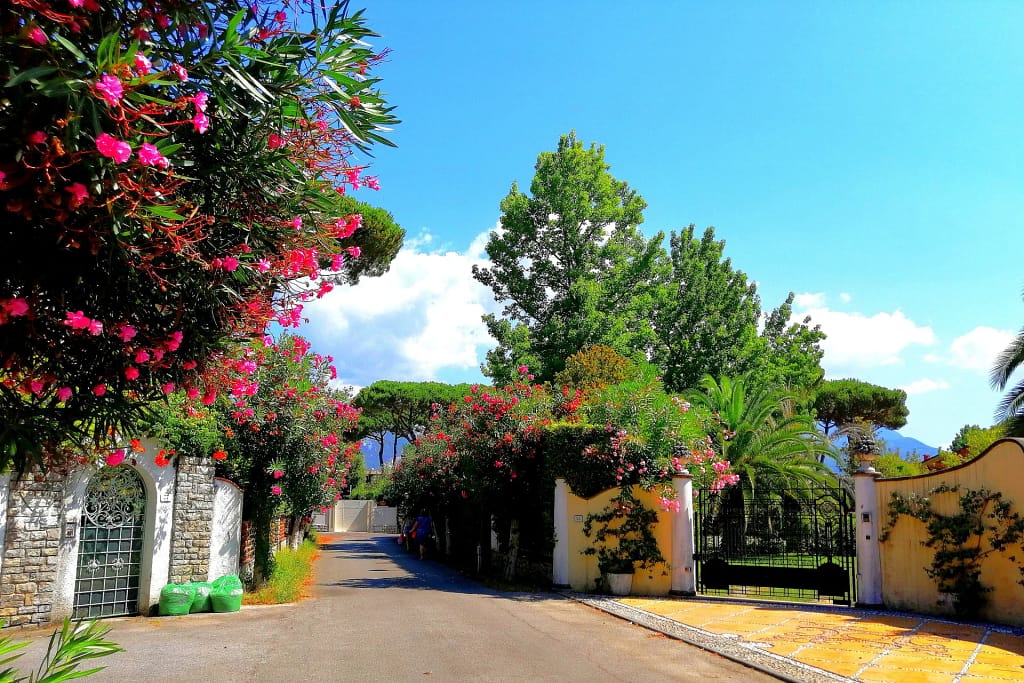
Anyone looking for luxury villas in Tuscany has to choose between five kinds of house, six very different landscapes and a system of restrictions that few Italian regions have in such strength. Photographs of a farmhouse among cypresses show the atmosphere; they do not show the thickness of a stone wall, the state of a tiled roof, the damp rising from the ground, or what the landscape allows you to do with the garden and the pool.
This guide is written for people considering luxury villas in Tuscany, for a long holiday or to buy one. It starts from what an architect sees on entering a house and goes on to what you need to know before signing: areas, seasons, restrictions, taxes. Where there is a number or a rule you will find the link to the official source; where there is none, we say so. It is not a list of houses for sale and it does not try to sell you one: it is the guide we would want in the hands of anyone about to make an offer.
Elite Luxury Real Estate is a luxury real estate agency born beside an architecture studio: the method we use to read a house is the way the studio has designed and directed villas since 2002.
Luxury villas in Tuscany at a glance
- Five types of luxury villas in Tuscany: stone farmhouse, historic villa and estate, castle or village, contemporary designer villa, villa by the sea. Each has its weak points.
- Six areas to look for luxury villas in Tuscany: Chianti, Val d’Orcia, the Siena hills, Maremma and Argentario, Lucchesia, Versilia. Choose by how you will use the house, not by the name.
- Restrictions: for luxury villas in Tuscany the regional landscape plan and the Italian Code of Cultural Heritage decide extensions, pools and façades, and can give the State pre-emption on the purchase.
- Taxes: a purchase from a private seller without reliefs pays 9% registration tax on the cadastral value; for villas (cadastral category A/8) the «first home» relief does not exist and IMU is due even on the main residence.
- Seasons: see the house in winter and in summer; damp and heat do not show in photographs.
- Before the offer: twelve technical checks valid for all luxury villas in Tuscany, listed below.
Preliminary reading
Understand a villa before you buy it
The method
Three checks, declared sources
Signature Architecture
Design or renovate a villa
Luxury villas for sale
International selection
The Villa Edit
Materials and systems of the villa
Real estate FAQ
Frequently asked questions with sources
Articles
By sector
Contact
Write to us
The five types of luxury villas in Tuscany and what to check in each
Luxury villas in Tuscany are very different houses. Telling them apart matters because the likeliest defects, the restrictions and the running costs change.
The stone farmhouse
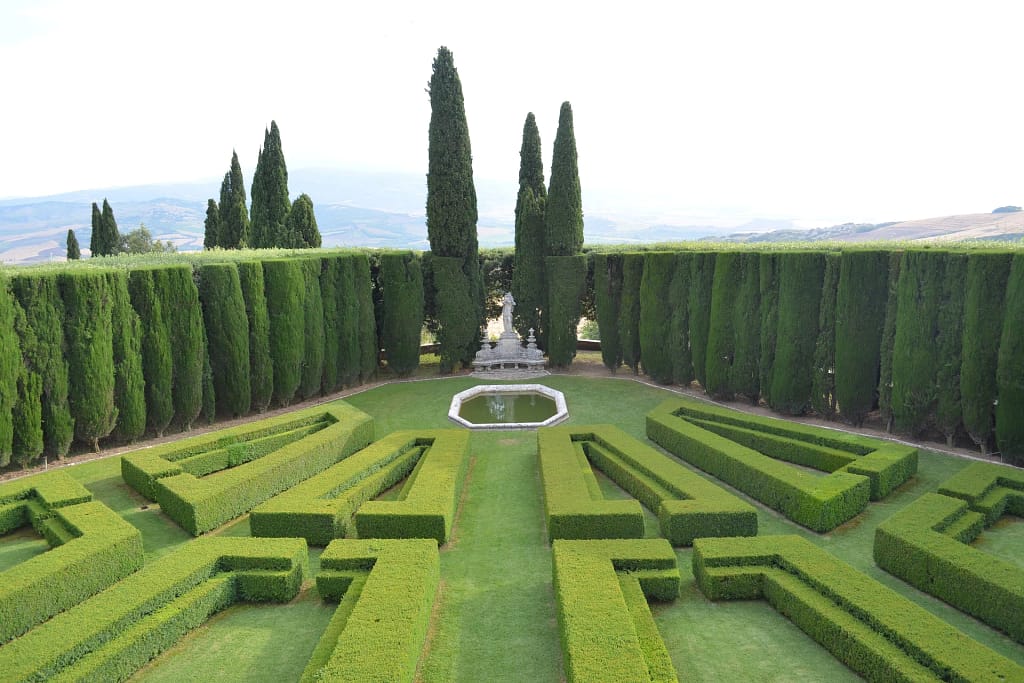
It is the restored farmhouse: thick stone walls, timber beams, clay tiles, threshing floor and outbuildings. The architect looks first at the water (rising damp, gutters, drainage), then roof and floors, then the building services, often added in several phases. A well-restored farmhouse keeps real materials; a badly restored one hides its problems under new plaster. On stone, read how to assess natural stone.

Invest
Before buying a luxury villa in Italy, the Dominican Republic, Zanzibar or Dubai: send us the…
The historic villa and the estate
Patrician villas and estates with parks, chapels and lemon houses. The charm lies in the details (decorations, historic garden) and the risk in upkeep and restriction: if the building is declared a cultural asset, the sale follows special rules, explained below.
The castle, the tower and the hamlet
Large surfaces, many rooms, often several buildings. The decisive question is not the price but who will look after the property: roofs, systems and garden multiply the costs, and a hospitality use changes the building and tax rules.
The contemporary designer villa
New or redeveloped houses with large glazing, infinity pools and contemporary materials. Energy, windows, systems and the dialogue with the protected landscape count here: building from scratch in the countryside is often limited, and it is easier to work on existing buildings. On the construction approach, the passive house.
Architecture
Architectural assessment of a villa before buying: three checks, declared sources, what is observed…
The villa by the sea
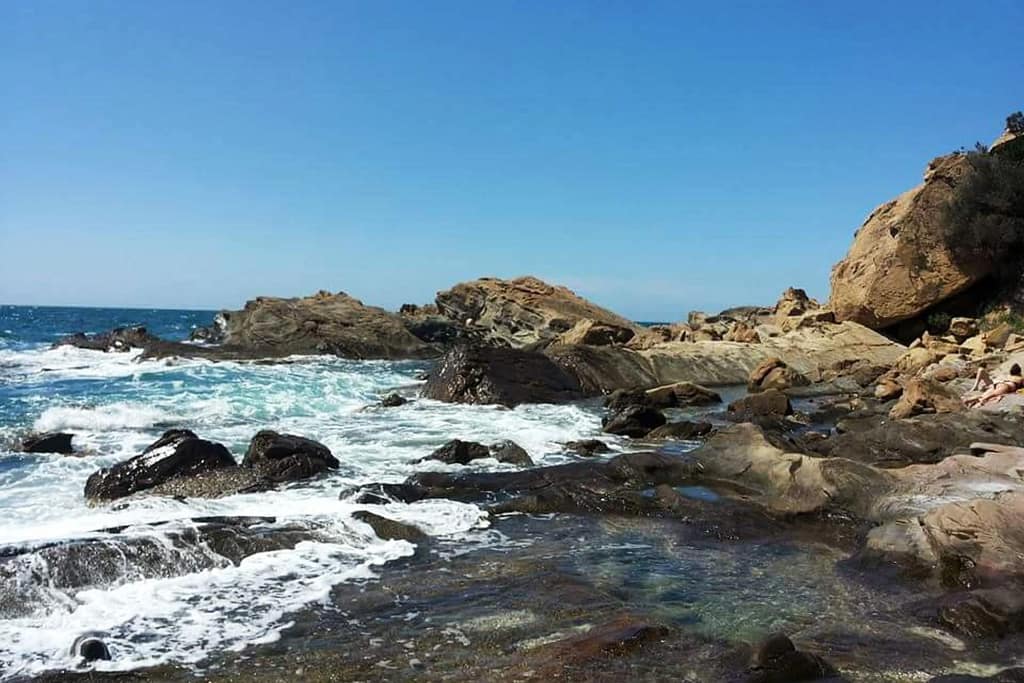
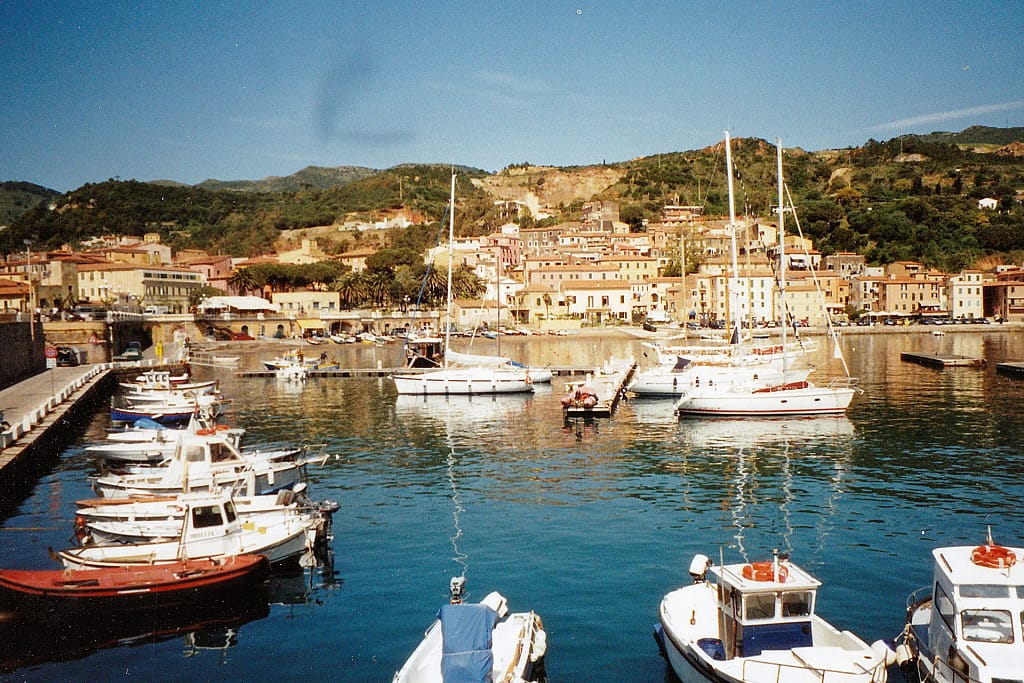
Versilia, Maremma, Argentario. Salt air wears windows, ironwork and systems faster, and the 300-metre strip from the coast is protected by law under the Code of Cultural Heritage and Landscape (art. 142): every external change needs an authorisation.
Where to look for luxury villas in Tuscany: six areas compared
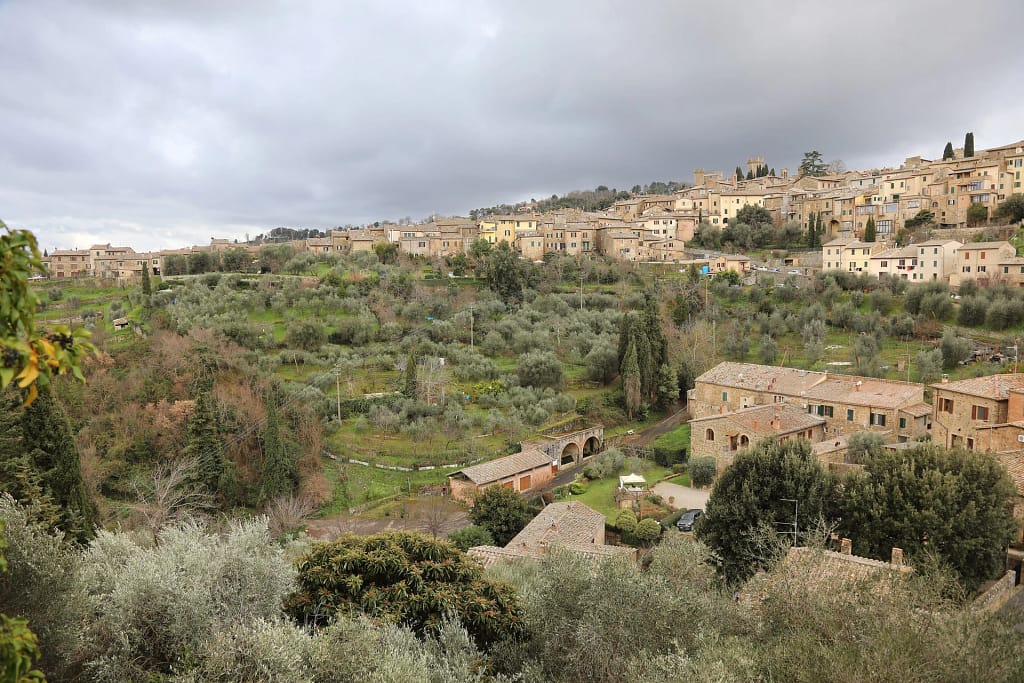
The landscape decides how the house is used. Anyone looking for luxury villas in Tuscany to live in all year round looks at access, services and distance from hospitals and airports (Florence and Pisa are the main references); anyone looking for a summer house looks at exposure, shade and water. The six areas below cover most searches for luxury villas in Tuscany.
| Area | Character | Typical homes | Check first |
|---|---|---|---|
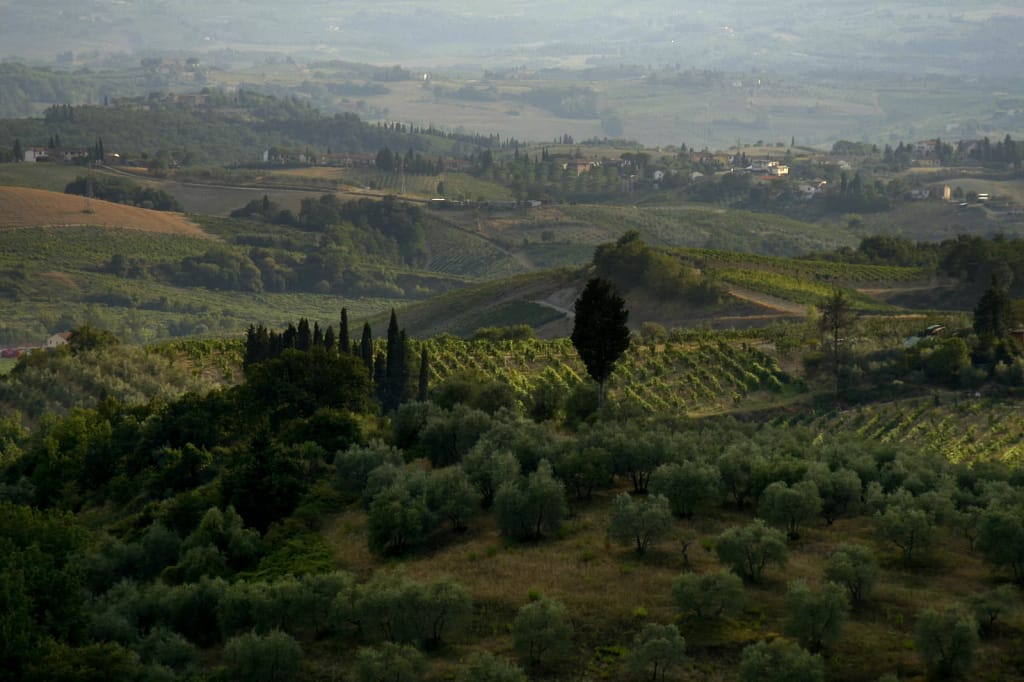
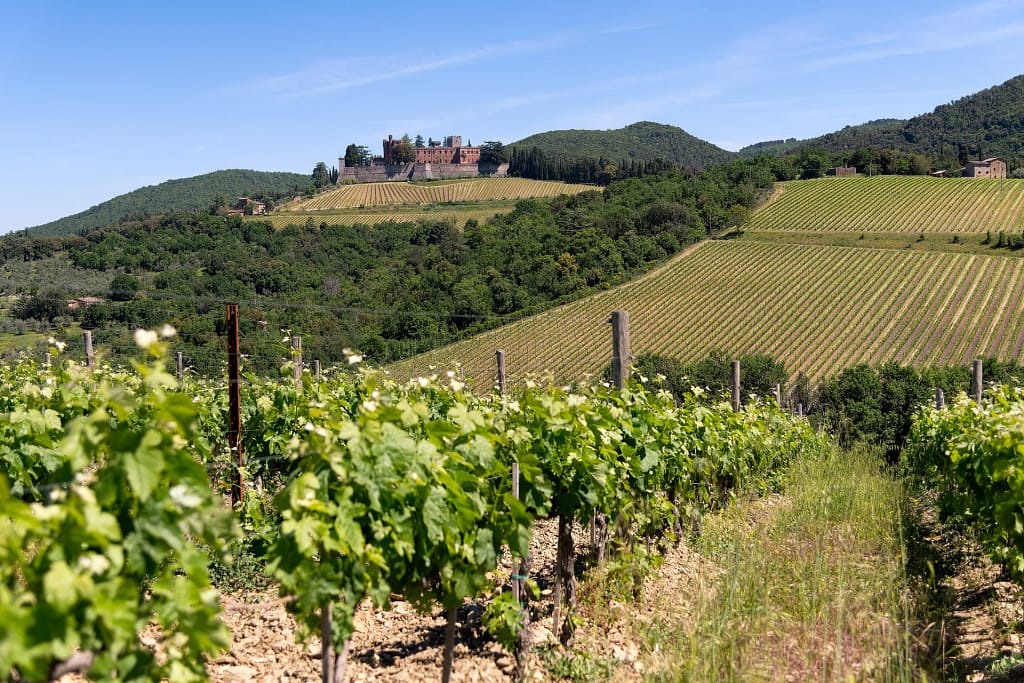
| Chianti | Hills between Florence and Siena, vineyards, olive groves, villages | Farmhouses, estates, villas with a vineyard | Gravel-road access, water and drainage, the landscape rules of the Chianti area |
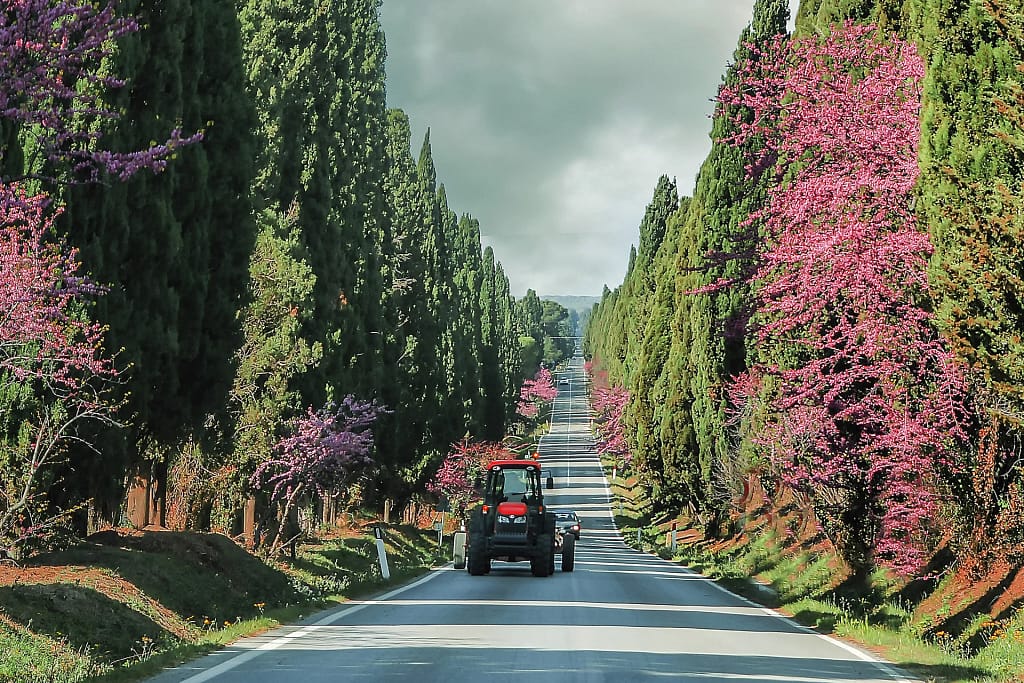
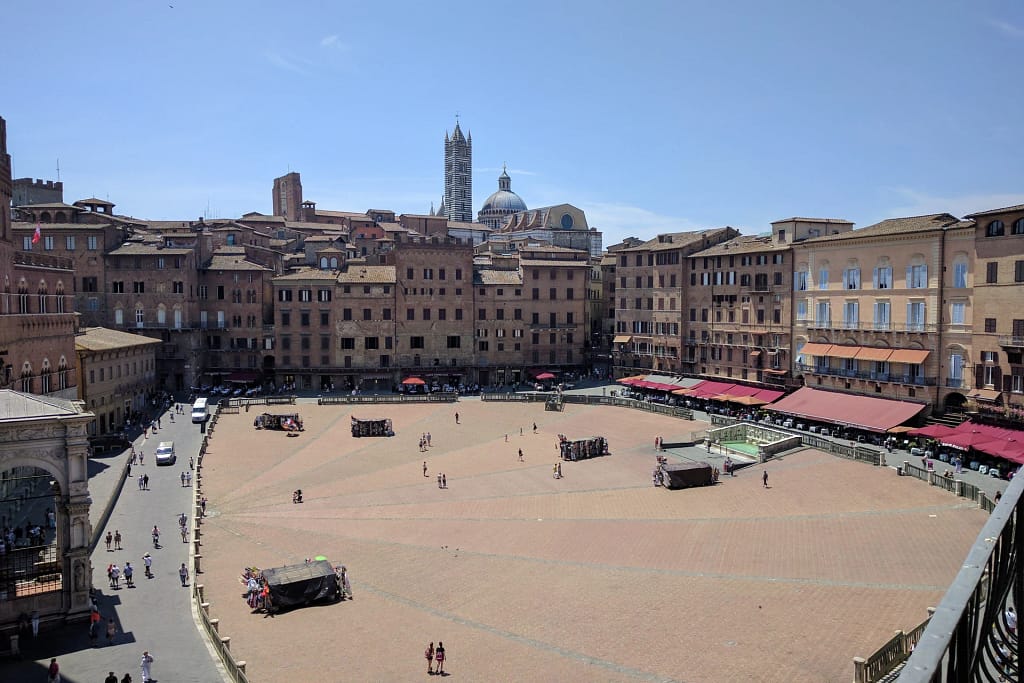
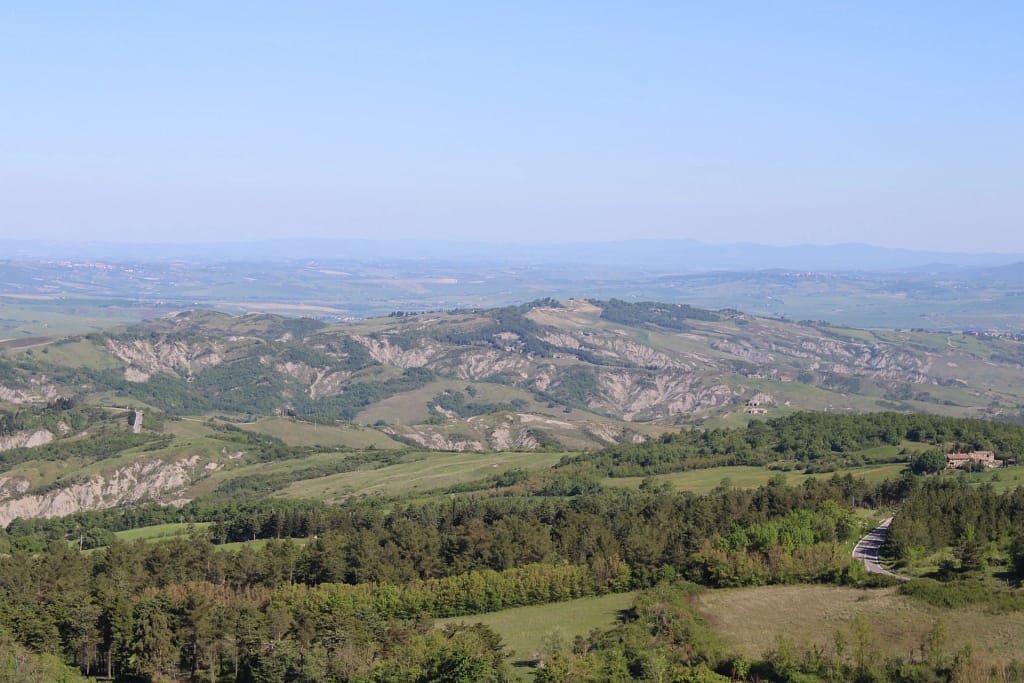
| Val d’Orcia | Clay hills, cypresses and farms; UNESCO cultural landscape since 2004 | Farmhouses and farm estates | Very strict landscape protection: extensions and pools must be asked about first |
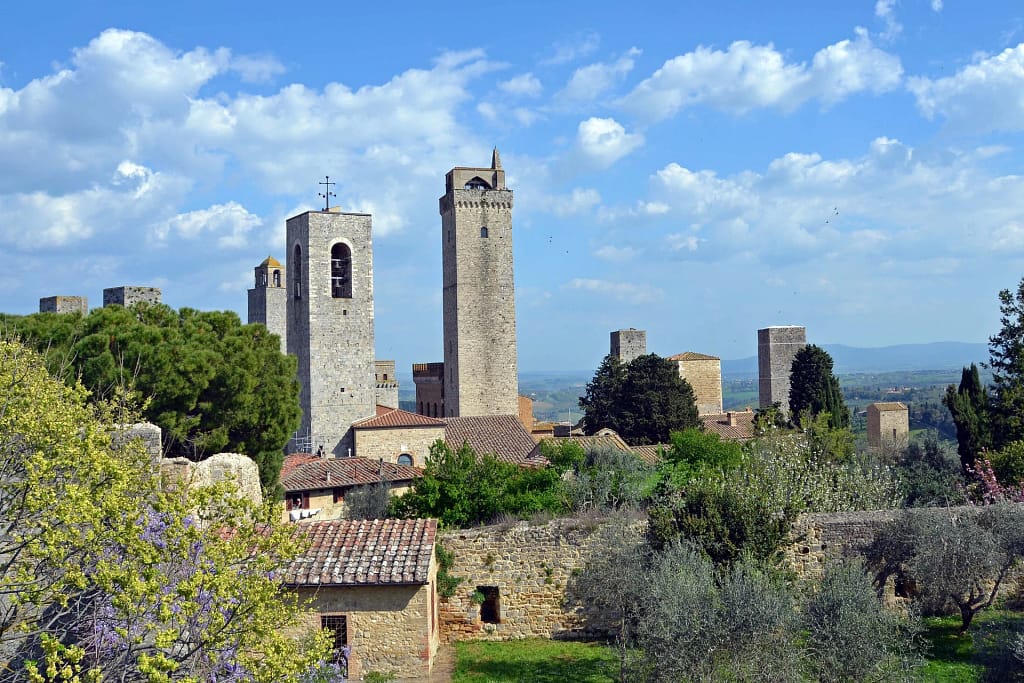
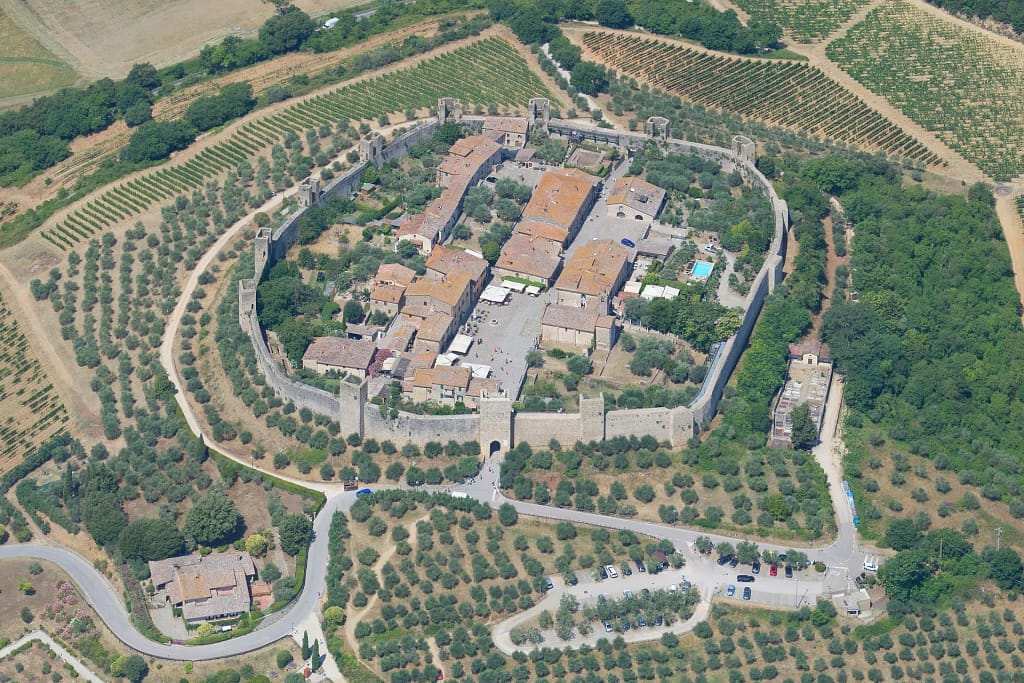
| Siena hills and Val d’Elsa | Medieval villages; historic centre of Siena UNESCO since 1995 | Historic villas, farmhouses, towers | Cultural restrictions on historic buildings, possible State pre-emption |
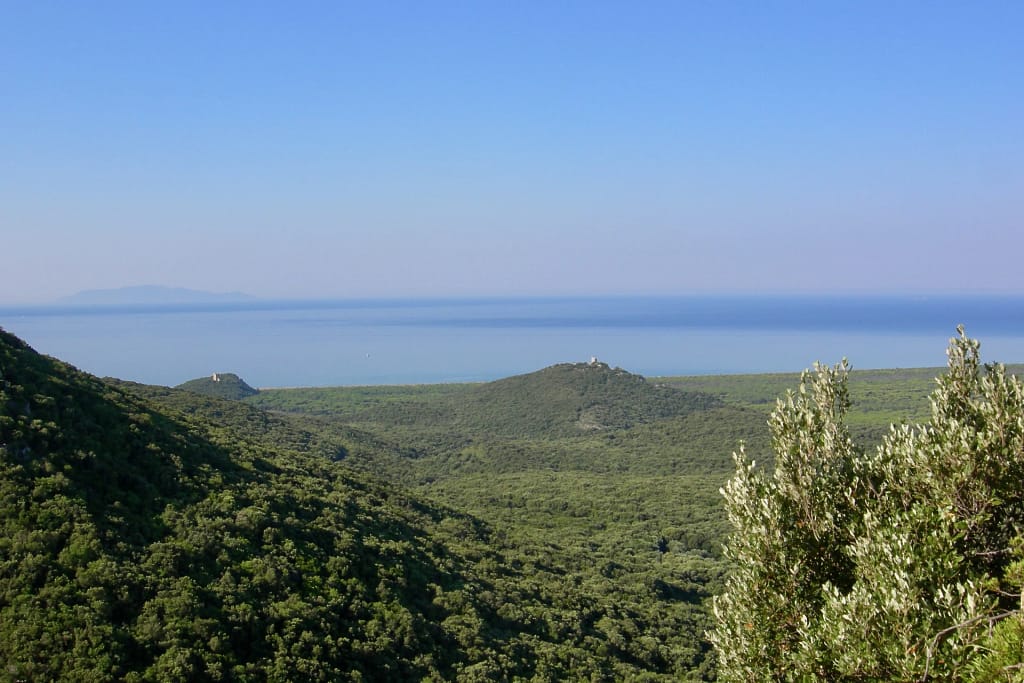
| Maremma and Argentario | Open coast and hills, parks, beaches | Farmhouses, villas by the sea | Protected coastal strip, salt air on windows and systems, protected areas |
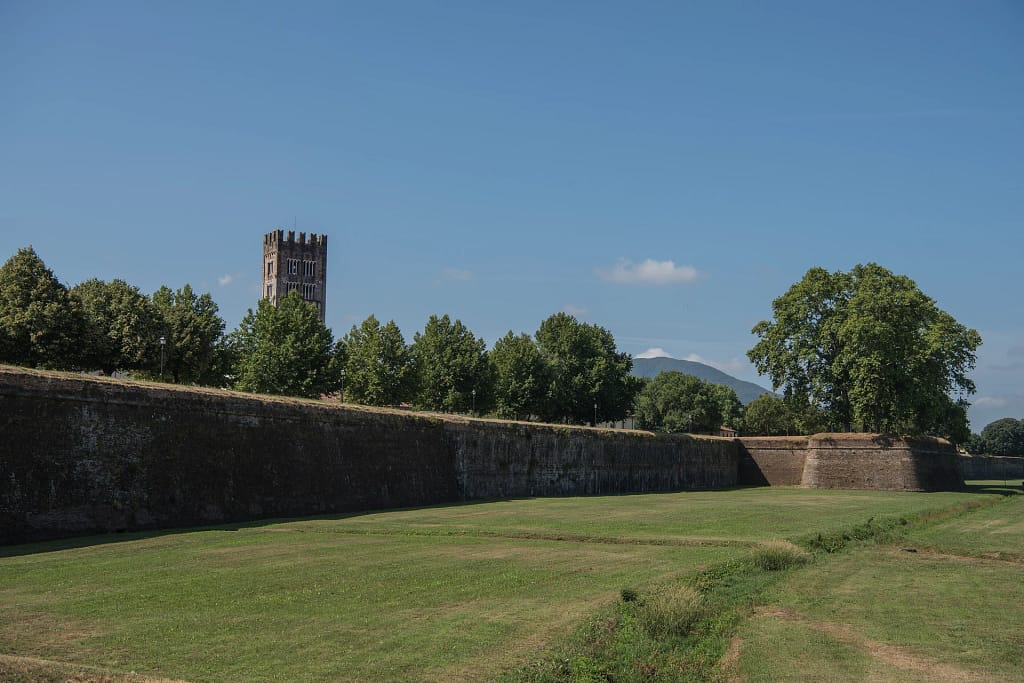
| Lucchesia | Hills around Lucca, villas with parks | Historic villas with gardens | Historic gardens, upkeep costs, restrictions on historic buildings |
| Versilia and the Apuan coast | Sea, Apuan Alps, seaside resorts | Modern and historic villas near the sea | Protected coastal strip, seasonality, space and parking |
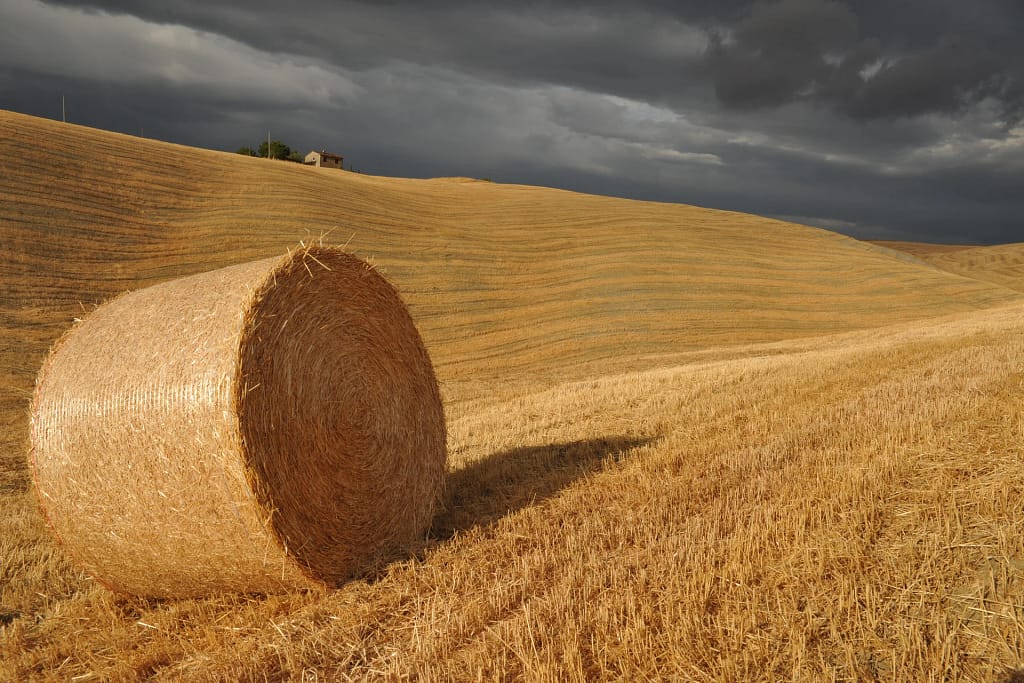
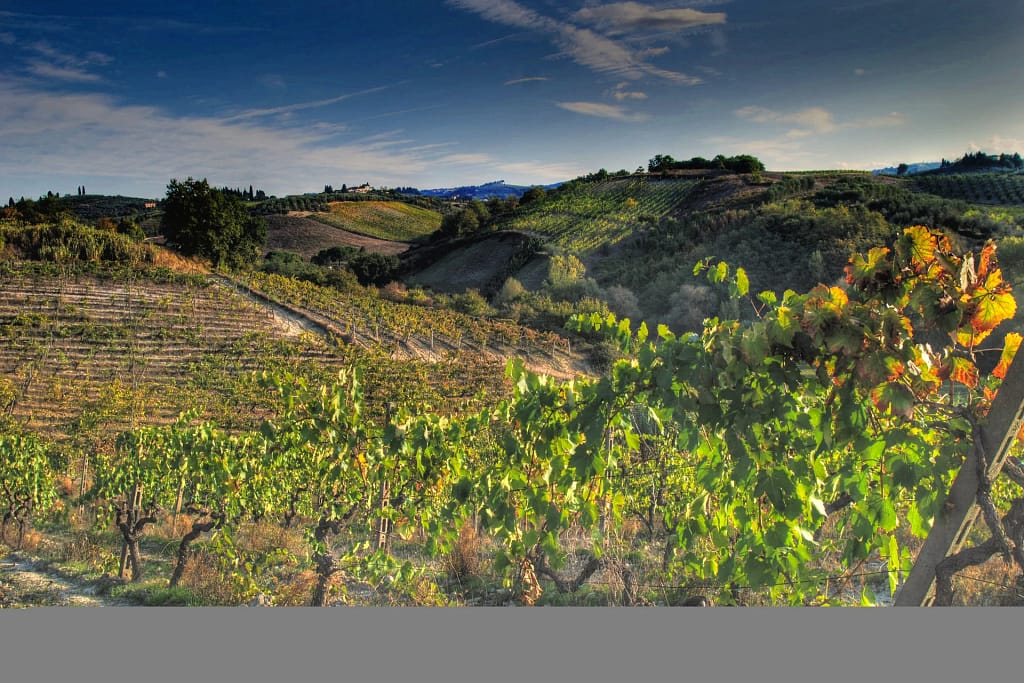
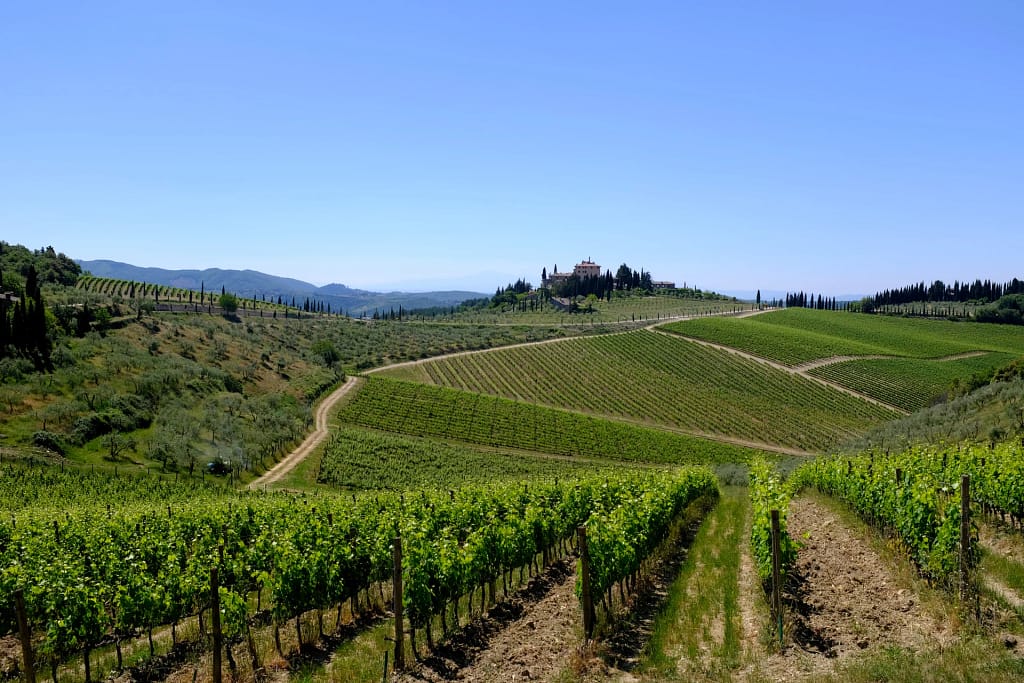
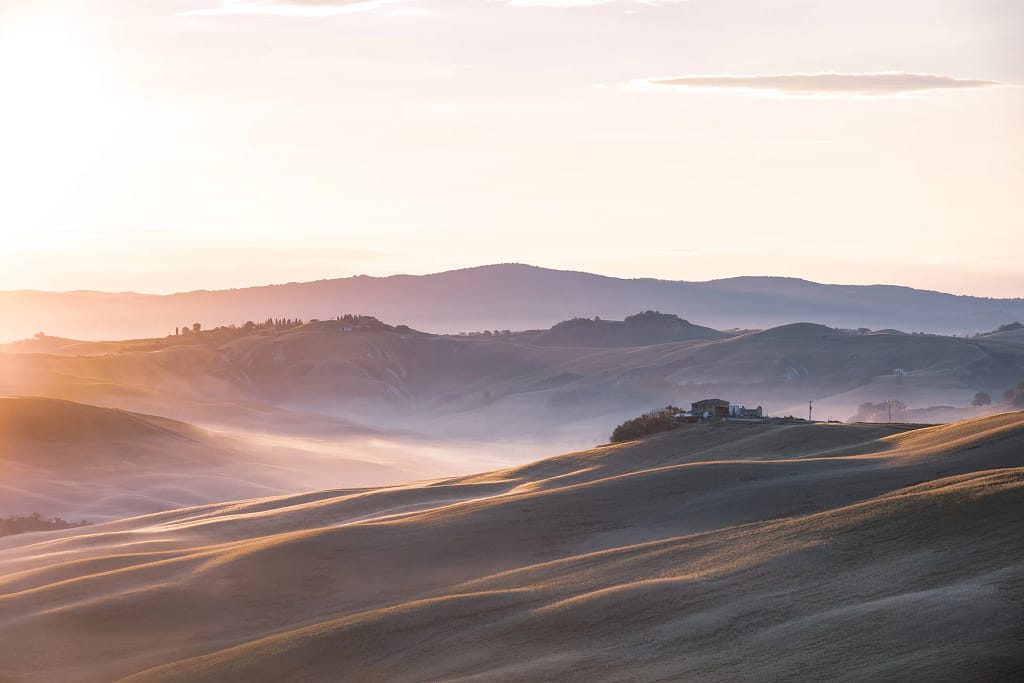
Val d’Orcia has been recognised by UNESCO as a cultural landscape since 2004 (UNESCO listing): it is the reason it looks like a painting and the reason the rules on what can be built or changed are severe. Chianti offers, among luxury villas in Tuscany, the widest choice of farmhouses with vineyard and olive grove, but needs attention to roads, water and drainage. Maremma and Argentario combine countryside and sea with coastal and park restrictions; Lucchesia is the land of historic villas with gardens; Versilia is the most oriented to the sea and the summer season.
Architecture
UHNW luxury villa architecture designed and supervised by Federico Cappellina’s studio since 2002…
Luxury villas in Tuscany: when to go, season by season
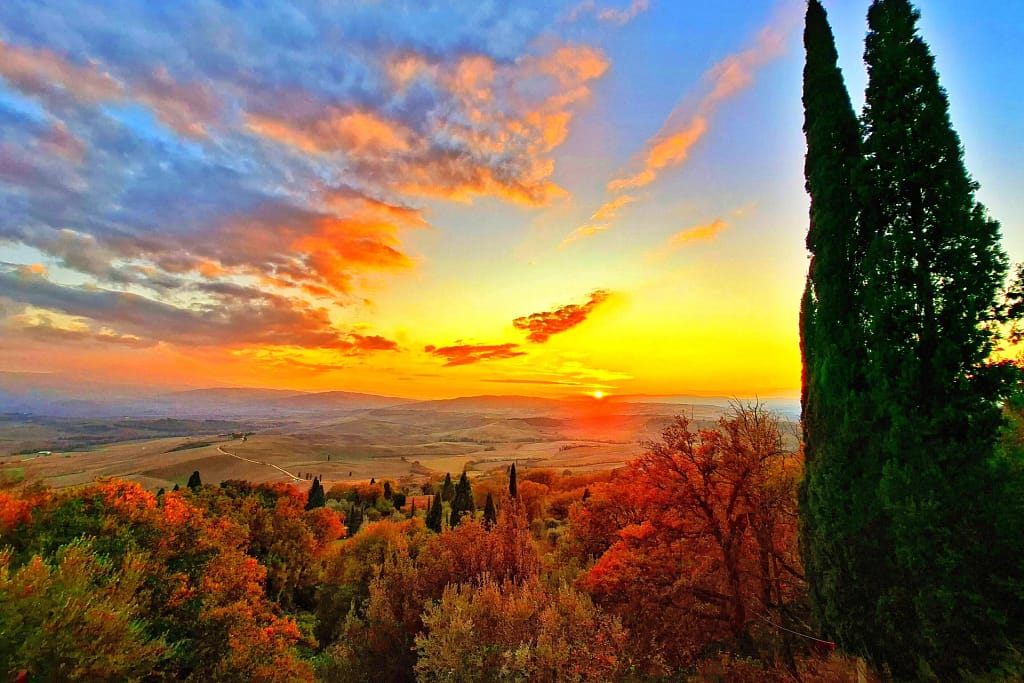
Luxury villas in Tuscany change face with the seasons. Spring: green countryside and mild temperatures, the best season to see gardens and olive groves at their best. Summer: heat and sea; in Siena the Palio is run on 2 July and 16 August (Comune di Siena, in Italian), with the city full. Autumn: grape harvest and olive picking, low light and fewer tourists than in the summer months. Winter: mist in the valleys, lit fireplaces, few visitors.
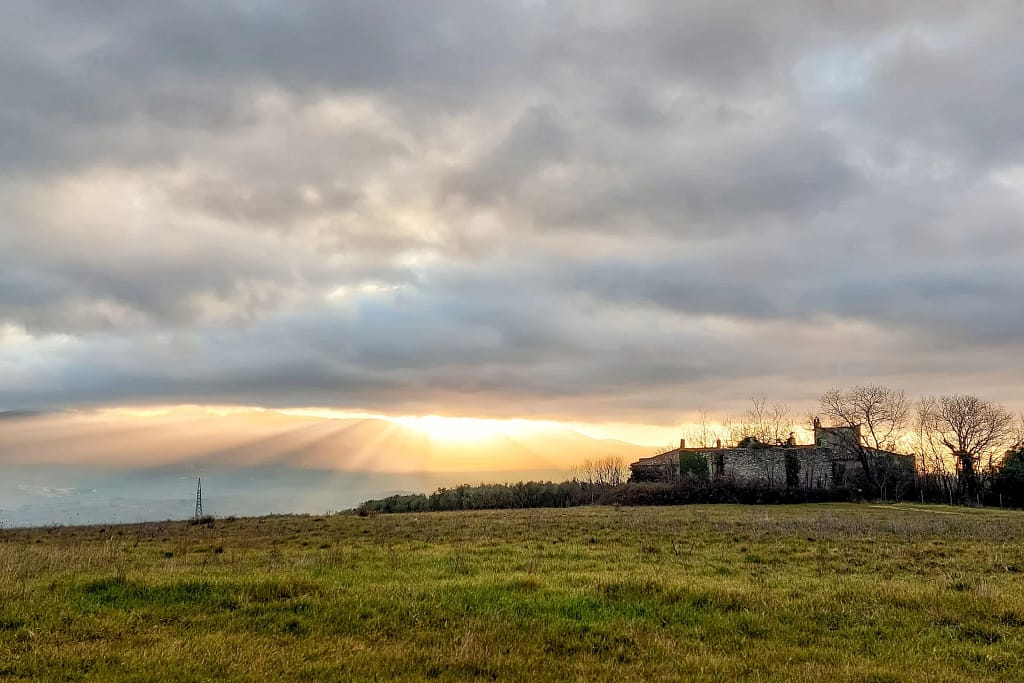
For buyers, the technical advice is to visit the villa in two seasons: in winter you see damp, heating efficiency and mud on the access roads; in summer, heat, shade and the water of the pool. If you can see the house only once, choose winter: defects do not hide.
The 12 checks an architect makes before choosing luxury villas in Tuscany
These are the questions we ask of every property when we assess luxury villas in Tuscany, in order of the cost of a mistake. They apply to buyers and, with some adaptation, to anyone renting a villa for a long season.
1. Stone walls and rising damp
A stain at the foot of a wall or a musty smell says more than a photograph. Ask for the history of the works (drainage, ventilated crawl spaces, plaster) and have the moisture measured: in a farmhouse it is the costliest defect to postpone.
2. Roofs and gutters
Clay tiles and timber beams last centuries, but only if the water runs off. Check pitches, gutters, ridges and the state of the loft: a badly redone roof shows in winter, not in August.
Invest
Luxury villas for sale in Italy, the Dominican Republic and Dubai, read with an architect’s method…
Invest
Dominican Republic real estate FAQ: buying as a foreigner, title, taxes, CONFOTUR, sourced yields…
3. Floors and structure
Vaults, beams and timber floors must be read together with the age of the building and the works done. Tuscany has municipalities in seismic zones 2, 3 and 4, none in zone 1 (regional classification, DGRT 421/2014, in Italian): ask whether seismic improvements exist and check the zone of the municipality.
4. Building services
Boiler or heat pump, air conditioning, electrics, home automation: they are often added in several phases. Ask for diagrams, declarations of conformity and the energy performance certificate.
5. Water and drainage
Mains water or a well? Septic tank, treatment plant or sewer? In the countryside, water and drainage decide how easy the house is to live in and what can be added, such as a pool.
Architecture
Luxury interiors for villas: the 12 systems of The Villa Edit, from passive house to furniture…
6. Windows and comfort
In stone houses the windows are small and the rooms can be dark; in contemporary villas large glazing needs shading and high-performance glass. Find out where the sun enters at different hours.
Invest
Elite Luxury Real Estate is a premier luxury real estate agency specializing in exclusive…
7. Access and safety
Gravel roads, slopes, bends, parking, gates: a difficult access weighs on every day. Check that an emergency vehicle can reach the door and how the road looks in the rain.
8. Garden, olive groves and woods
Trees, olive groves and woods can be subject to protection and to rules on felling and pruning: ask what can be changed and what cannot, and what it costs to keep them.
9. The pool
Check whether the building permit exists, how the pool sits in the landscape, how much shade and sun it gets and what upkeep it needs. If there is none and you want one, ask the municipality before buying, not after (luxury pools).
Architecture
Natural stone for villas: marble, travertine, quartzite, local stones and wood. How to choose…
10. Planning and cadastral conformity
Cadastral plans, building permits, habitability certificate and the real state of the house must match. Discrepancies are paid for: a technician should find them before the offer, with the complete documents.
11. Landscape and cultural restrictions
Coastal strip, woods, watercourses, the area of the landscape plan, a declaration of cultural interest: each changes what you may do. We explain them in the dedicated section below.
12. Real running costs
Upkeep of stone and roofs, garden, pool, staff, insurance, annual taxes: ask for a full year of expenses, not an estimate. It is the item that most surprises people who buy a large country house.
Architecture
Luxury pools for villas: infinity edges, finishes, water treatment, heating, covers, robots…
The most frequent mistakes when choosing luxury villas in Tuscany
- Falling for the photographs: they show light and atmosphere, not damp, access and the state of the roofs.
- Seeing the house only in summer: the defects of a stone house are read in winter.
- Asking about permits after the purchase: a pool, an extension or a change of use must be checked before the offer.
- Underestimating running costs: garden, pool, upkeep of the stone and staff weigh every year, even when the house is empty.
- Trusting the word «villa» alone: the cadastral category decides the taxes and does not always match the listing’s description.
- Paying the deposit before conformity and restrictions are checked: after the preliminary contract is signed, going back costs.
They are the same points as the twelve checks, seen from the side of the mistakes: anyone choosing among luxury villas in Tuscany deals with them before the offer, not after the deed.
Restrictions and permits for luxury villas in Tuscany: the landscape decides
For luxury villas in Tuscany the landscape comes first. The Region has a landscape plan (the PIT with the value of a landscape plan, approved by regional council resolution no. 37 of 27 March 2015, Regione Toscana, in Italian) that divides the territory into areas, each with its own sheet and its own prescriptions. Above it stands the Code of Cultural Heritage and Landscape (Legislative Decree 42/2004, in Italian): art. 142 protects by law strips of land such as coasts and lakes within 300 metres of the shore, rivers and streams within 150 metres, woods and parks; art. 146 requires a landscape authorisation before works that alter them, with the opinion of the Superintendency.
In practice, for luxury villas in Tuscany, extensions, pools, new openings, fences, façade colours and trees may require an authorisation. The rule is the same for everyone: ask before buying, in writing, from the municipal technician or from a local architect.
The cultural restriction and the State's pre-emption
If the villa is a cultural asset declared by the Ministry, the transfer must be notified to the Ministry within thirty days (art. 59) and the State, or in some cases the Region, may exercise pre-emption within sixty days of the notification, which become one hundred and eighty if the notification is omitted, late or incomplete (arts. 60-61). It is a rule that affects the timing of the purchase: ask the notary before committing a deposit.
Architecture
Luxury passive house design: building systems, insulation, airtightness, ventilation and Passivhaus…
Renovating a farmhouse: from idea to site
Many luxury villas in Tuscany are bought to be transformed, and the path has an order: skipping it is the costliest mistake. First the survey and the check of restrictions (planning, landscape, cultural), before the offer. Then the design, consistent with the prescriptions of the area. Then the landscape authorisation and the building permit from the municipality, with the Superintendency’s opinion where needed. Then the site supervision, because in a stone building the discoveries come once the site is open. Finally the completion and final paperwork.
Timing depends on the municipality and the Superintendency, not on whoever designs: ask for a written estimate of the steps and distrust schedules promised by word of mouth. The architecture studio behind ELRE has designed and directed villas on commission since 2002, in Veneto, on Lake Garda and in Lombardy (Signature Architecture); in Tuscany, for dealings with the municipality and the Superintendency, a local technician is indispensable.
Invest
Elite Luxury Real Estate partner network: luxury real estate agencies, developers and local…

Renting or buying luxury villas in Tuscany
Renting for a season
To rent luxury villas in Tuscany on a short let, the owner must display and state in the listing the national identification code (CIN), mandatory since 1 January 2025 (Ministry of Tourism, in Italian): ask for it before paying a deposit. Ask also what is included (cleaning, pool, garden, staff), the security deposit, the rules on guests and events, and the cancellation terms. A video call from the house, in the rain or in the evening, tells you more than the photographs.
Buying: the steps and the taxes
To buy luxury villas in Tuscany the sequence is the purchase proposal, the preliminary contract with a deposit, the deed before the notary. The main taxes, according to the Italian Revenue Agency (in Italian):
- Purchase from a private seller without reliefs: registration tax of 9% on the cadastral value, plus 50 euro of mortgage tax and 50 of cadastral tax.
- Villas registered as A/1, A/8 and A/9 (stately homes, villas, castles and historic palaces) do not get the «first home» relief: registration tax stays at 9% even for the main residence. If you buy from a company with VAT, the rate for these categories is 22%.
- IMU: A/1, A/8 and A/9 homes pay it even as a main residence, with a base rate of 0.5% and a deduction of 200 euro; the municipality may vary it (Department of Finance, in Italian).
Rates and rules change: have your notary confirm the calculations on the actual case.
Foreign buyers and a reference price
Citizens of the European Union face no limitations; for citizens of non-EU countries the condition of reciprocity of art. 16 of the preliminary provisions to the Civil Code applies, and the notary checks it (with exceptions for countries tied to Italy by bilateral investment treaties: Ministry of Foreign Affairs). To orient yourself on the price of luxury villas in Tuscany, the Real Estate Market Observatory publishes quotations by zone, in Italian with minimum and maximum values per square metre: they are ranges for a zone and a state of repair, not the value of a villa with park, outbuildings and restrictions, which is built case by case.
How we read luxury villas in Tuscany: the ELRE method
Every assessment of luxury villas in Tuscany goes through three checks, always in the same order: the architectural reading of the project, the check on the ground by someone who lives or works in that market, the comparison with declared sources. The real estate work is done by the Real Estate team; the founder, architect Federico Cappellina, guarantees the method. The architecture studio is a separate activity, with its own commissions from clients: if you want to design or renovate a villa, the route is Signature Architecture. The full method is described on the page The method.
Frequently asked questions about luxury villas in Tuscany
How much do luxury villas in Tuscany cost?
There is no single price: it depends on area, state, land, restrictions and fittings. As a starting point use the OMI quotations for the zone and have a technician read the property: a farmhouse to renovate and a villa ready to live in cannot be compared.
Is it worth buying a farmhouse to renovate?
For luxury villas in Tuscany to renovate, it depends on the state, the restrictions and the time you want to invest. The costs of a stone restoration do not follow those of a new house and landscape permits lengthen the timing: have a technical survey done before the offer.
Can a foreigner buy luxury villas in Tuscany?
EU citizens without limitations; non-EU citizens subject to the condition of reciprocity checked by the notary, with exceptions for countries with bilateral investment treaties.
What is the cadastral difference between a villa and a «villino»?
The cadastre distinguishes homes in villas (A/8) from small villas (A/7) and from stately homes (A/1): a listing may call «villa» a house registered differently. The category changes the taxes, because A/1, A/8 and A/9 lose the «first home» relief.
Can a swimming pool be built?
It depends on the municipality, the landscape and the zone: in protected areas a landscape authorisation is needed. Ask for the written opinion before buying, not after.
When should I visit a villa before buying it?
For luxury villas in Tuscany, in two seasons if possible: in winter for damp, heating and access; in summer for heat, shade and the water of the pool. If you can choose only once, winter.
Can I rent the villa out when I am not using it?
Yes, but short lets need the CIN, mandatory since 1 January 2025, and the municipality’s rules and the tax rules must be followed: talk to your accountant before buying.
What is the landscape authorisation and who issues it?
It is the act that allows works in protected areas (art. 146 of Legislative Decree 42/2004): the owner asks the Region or the body to which the Region has delegated the function, usually the municipality, which obtains the opinion of the Superintendency. It must be obtained before the building permit: once the Superintendency’s opinion is received, the administration decides within twenty days.
Is Tuscany a seismic area?
In part: Tuscan municipalities are classified in zone 2, 3 or 4, none in zone 1. The zone of each municipality is in the regional classification, in Italian; for a historic house also ask about the seismic improvements already carried out.
Do I need an architect before making an offer on luxury villas in Tuscany?
It is the check that costs least compared with the risk it covers: an architect reads structure, systems, conformity and restrictions and tells you what to ask. With the preliminary reading we tell you in writing what the project shows, what is missing and what to check.

Have you already found one of the luxury villas in Tuscany?
Send us the listing or the dossier: with the preliminary reading we tell you what the house shows, what is missing and what to check with a technician and the notary before you decide. If you would rather look for other luxury villas in Tuscany or in Italy, the selection of villas for sale and the contact page are the place to start.
Sources: purchase taxes, Italian Revenue Agency; IMU, Department of Finance; quotations, OMI; landscape, PIT-PPR Regione Toscana and Legislative Decree 42/2004; seismic classification, Regione Toscana; Val d’Orcia, UNESCO; reciprocity, Ministry of Foreign Affairs; CIN, Ministry of Tourism; Palio, Comune di Siena. Official Italian sources are in Italian. Data consulted on 10 October 2026. Photos: Wikimedia Commons, cropped — authors and licences.
Would you like a reading of the house?
Send the listing or the dossier: we reply with the points to check.
Discover the UHNW Lifestyle
Real Estate articles: markets read with their sources.